Lifetime Citizen Portal Access — AI Briefings, Alerts & Unlimited Follows
Senate hearing spotlights legal and security concerns over Panama Canal amid Chinese ties
Loading...
Summary
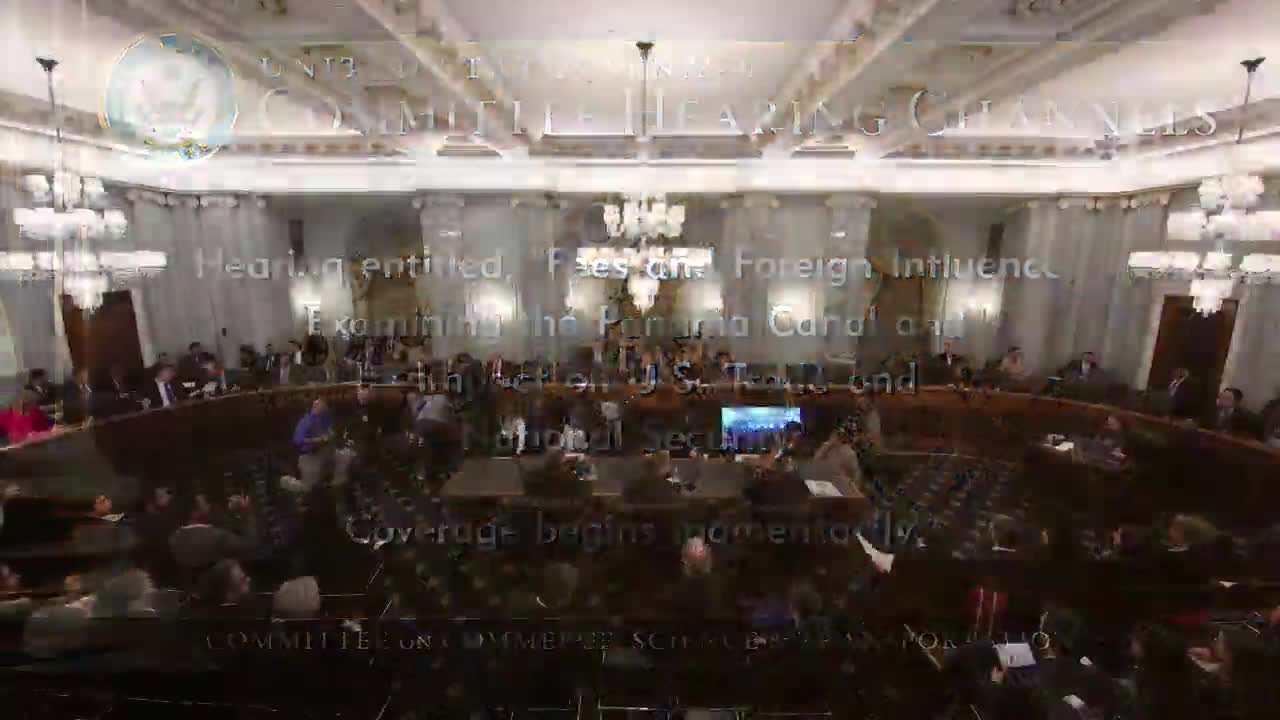
Sen. Ted Cruz, chairman of the Senate Commerce, Science, and Transportation Committee, opened a hearing examining what he and witnesses called potential threats to U.S. interests in the Panama Canal, saying, "We cannot afford to let American shippers be extorted."
Sen. Ted Cruz, chairman of the Senate Commerce, Science, and Transportation Committee, opened a hearing examining what he and witnesses called potential threats to U.S. interests in the Panama Canal, saying, "We cannot afford to let American shippers be extorted." The committee heard testimony about Chinese involvement in canal-area infrastructure, port concessions held by a Hong Kong company, and legal questions under the 1977 treaty governing the canal's neutrality.
The hearing brought together shipping regulators, legal scholars and industry representatives to describe how changes in Panama’s port contracts and infrastructure investments could affect the canal's neutrality and U.S. access. "The essential features of this regime of neutrality is that the canal must be open to all nations for transit," Law Professor Eugene Kantorovich told the committee, outlining treaty provisions that require equitable tolls, Panamanian operation and a prohibition on foreign military presences around the canal.
Federal Maritime Commission Chairman Luis Sola and Commissioner Daniel Maffei, both of whom led a fact-finding trip to Panama, described expanded Chinese commercial activity in Panama, including large port concessions and the presence of Chinese contractors on projects adjacent to the canal. Sola said the Panama Canal Authority (ACP) remains the canal operator but warned that broader government policies and no-bid contracts in Panama’s maritime sector create "friction" with the ACP. Maffei noted Panama has taken steps to address concerns but said more information is needed about the degree of foreign control in port operators.
Kantorovich said the treaty does not prescribe a third-party dispute-resolution mechanism and that "each party determines for itself the existence of a violation." He told senators that the treaty’s ratification history indicates the United States reserved the option to act, including by force in extremis, to defend the neutrality regime, but that armed force would be a last resort and other remedies and measures remain available.
Senators of both parties urged greater U.S. diplomatic and economic engagement in Panama. Ranking Member Sen. Maria Cantwell asked for classified Department of Defense briefings on foreign-adversary threats to the canal and pressed for more U.S. investment to give American firms a competitive option against heavily subsidized foreign bidders. Witnesses suggested use of U.S. leverage, including conditioning investments or aid, expanding export-import bank activity and supporting infrastructure projects, as nonmilitary avenues to protect U.S. interests.
The committee did not make formal findings at the hearing. Members said they will pursue additional information and invited further testimony and classified briefings to determine whether treaty remedies or other measures are warranted.