Get Full Government Meeting Transcripts, Videos, & Alerts Forever!
Get email alerts on the Public Lands Access topic
No spam. Unsubscribe anytime.
Kansas agency defends ban on trail cameras on public lands; users, landowners remain split
Summary
The Kansas Department of Wildlife & Parks reported the 2023 regulation banning use of trail or game cameras on department-managed lands has reduced theft and some landowner complaints but remains controversial among hunters; department recommends no change after two seasons.
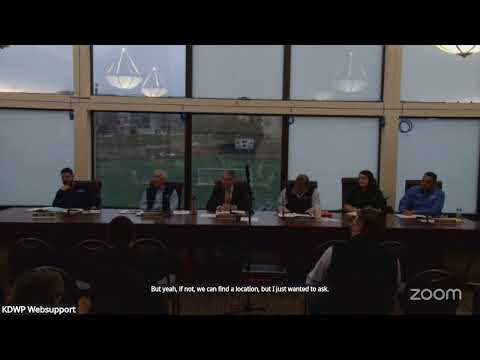
Ryan Stuckey, the department’s public lands director, briefed the Kansas Wildlife and Parks Commission on the implementation and effects of a regulation that took effect April 6, 2023, prohibiting placement or use of trail/game cameras on Department lands and walk-in hunting areas (WEHA/IWEHA). Stuckey read the regulation text to commissioners and summarized why the department proposed the rule: theft of cameras, privacy concerns, perceived monopolization of locations, and increased user conflicts and traffic on limited public acreage.
Stuckey told the commission the regulation bars placement of remote motion-activated or infrared trail cameras on Department lands, prohibits use of images (including location/time/date) from such cameras to aid in taking wildlife on department lands, and exempts cameras owned by the department for research or operations. He said staff collected concerns from landowners and field staff dating back to the pre-COVID era and that commercialization of camera images and increasing real-time-capable cameras amplified problems.
After two primary or winter hunting seasons under the rule, department law enforcement, public-land managers and wildlife biologists reported to Stuckey that user conflicts and landowner complaints have decreased and that enforcement and privacy issues are easier to manage. Based on that feedback, the department is not recommending changes to the camera rule at this time.
Public commenters and several commissioners raised counterarguments. Longtime public commenter Sean Miller said the ban removed an important year-round engagement tool for many hunters and wildlife photographers and asked the commission to consider intermediate options such as mandatory camera labeling with contact information so law enforcement or land managers can locate owners when a problem arises. Miller told commissioners he checks cameras only monthly and that some states require identification on cameras instead of an outright ban.
Commissioners and the public debated tradeoffs: supporters of the ban emphasized landowner privacy and reduced conflict on limited public acres; opponents said existing stalk-and-stand conflicts predate cameras and that labeling or time limits might address problems without a blanket prohibition. Commissioner comments recorded at the meeting included concerns about overregulation and about department capacity for enforcement; Commissioner Delia Lister emphasized deference to law enforcement reports and staff assessments.
No regulatory changes were proposed at the meeting; the department said it will continue monitoring user complaints and enforcement impacts and to evaluate practices that other states have adopted.