Get Full Government Meeting Transcripts, Videos, & Alerts Forever!
Kansas wildlife researchers find low eye-worm infection rates in quail and pheasants, urge habitat focus
Summary
Kansas Department of Wildlife & Parks staff reported low prevalence and low intensity of avian ‘‘eye worm’’ infections in samples collected statewide, cautioned that medicated feed is not a substitute for habitat work and recommended continued monitoring and research before wide-scale treatments.
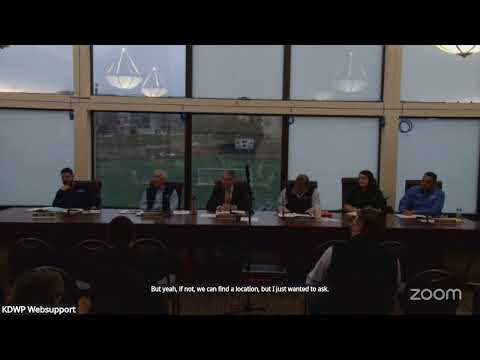
Jeff Prendergast, a staff presenter, told the Kansas Wildlife and Parks Commission that samples collected from hunter-harvested birds indicate relatively low infection rates of Oxyspirura (commonly called “eye worms”) across Kansas. The department collected and lab-processed hundreds of bobwhite and pheasant heads in 2018 and found 4.2% positive among 283 bobwhites and 12.5% positive among 213 pheasants, with most infected birds carrying only a single parasite, Prendergast said.
Prendergast said the eye worm lifecycle involves eggs passed in feces, insect intermediate hosts and then ingestion by birds; the species detected is an avian specialist and…
Already have an account? Log in
Subscribe to keep reading
Unlock the rest of this article — and every article on Citizen Portal.
- Unlimited articles
- AI-powered breakdowns of topics, speakers, decisions, and budgets
- Instant alerts when your location has a new meeting
- Follow topics and more locations
- 1,000 AI Insights / month, plus AI Chat