Get Full Government Meeting Transcripts, Videos, & Alerts Forever!
Get email alerts on the Campaigns Political Ads topic
No spam. Unsubscribe anytime.
Bill would add civil remedy, attorney‑fee award for candidates targeted by false political ads
Summary
Representative Casper proposed an amendment adding a private civil right and fee shifting for candidates harmed by "untrue, deceptive, or misleading" political advertisements; witnesses debated constitutional hurdles and coverage of 501(c)(4) groups.
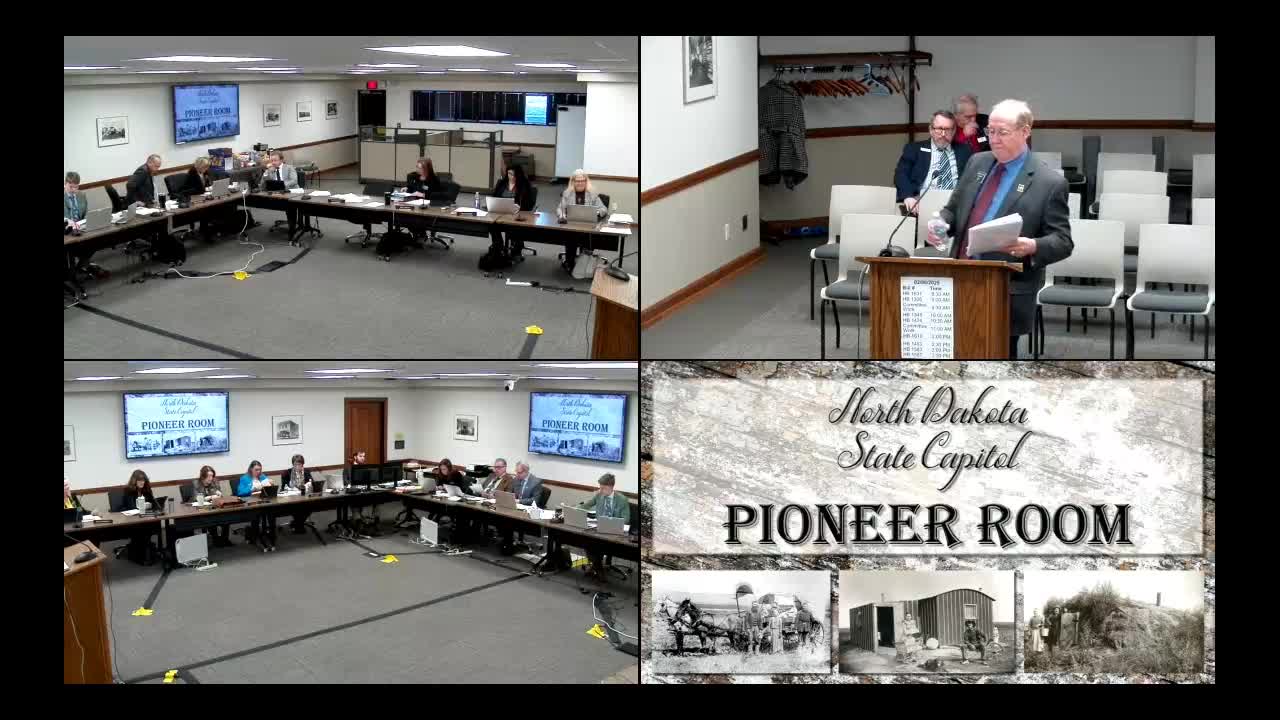
The House Government and Veterans Affairs Committee heard House Bill 1583, introduced by Representative Jim Casper, which would add a civil cause of action and mandatory attorney's fees for candidates who prove they were the subject of an "untrue, deceptive, or misleading" political advertisement.
Casper said the bill grew from concerns about independent expenditure groups that run negative ads while withholding donor information. He described a proposed "hog house" amendment that would retain an existing criminal statute and add a civil remedy. "A candidate who is a subject of an untrue, deceptive, or misleading advertisement under this section may commence a civil action to recover civil damages," Casper read from the handout. "A candidate who successfully recovers civil damages under this section must be awarded the full amount of all costs and attorney's fees incurred by the candidate during the pendency of the civil action."
Casper noted the legislature had earlier passed House Bill 1204, which makes knowingly publishing false political advertisements a class A misdemeanor; the amendment would give candidates a private civil route in addition to criminal enforcement.
Attorney Shane Gettle, who said he represents the Bridal Future Alliance and teaches constitutional law at the University of Mary, cautioned the committee about constitutional limits. Gettle explained the Sullivan line of Supreme Court defamation law and the high standard public officials and candidates must meet to win defamation suits — proving "actual malice," meaning knowledge of falsity or reckless disregard for the truth. He said the bill's fee shifting and civil remedies would face those constitutional burdens and advised the committee to consult additional legal analysis.
Committee members asked whether civil remedies already exist and whether the amendment simply adds attorney fees; discussion centered on enforceability and First Amendment limits. The committee closed the hearing on HB 1583 and requested additional legal review before advancing the measure.
Ending: The committee asked for follow‑up legal counsel and closed the public hearing; no committee recommendation or floor vote is recorded in the transcript.