Get Full Government Meeting Transcripts, Videos, & Alerts Forever!
Get email alerts on the Special Education Services topic
No spam. Unsubscribe anytime.
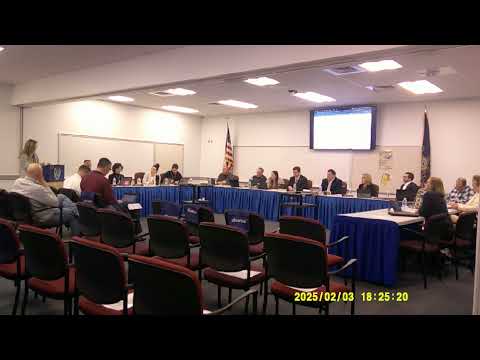
Littlestown Area SD outlines emotional‑support classrooms, casework and staffing questions
Summary
Special education staff described how intervention classrooms operate for students with social‑emotional and behavioral needs, explained casework/IEP responsibilities and answered questions about staffing levels and inter‑district placements.
Special education staff described intervention classrooms that provide in‑day behavioral and academic support for students with social‑emotional and behavioral needs, explaining that students may return to the intervention room during the school day for brief or longer periods to regain composure and complete academic work.
The presenter said intervention teachers set behavioral goals for students and are responsible for casework tasks tied to Individualized Education Programs (IEPs), including writing IEPs, progress monitoring and related paperwork. Staff said the framework for emotional‑support services is tiered: there are multiple categories (including supplemental supports) that determine how much time a student spends in regular education versus specialized settings.
The presenter said many students spend 80% or more of the school day in general education and come to the intervention room for support as needed; other students may attend the intervention setting for a larger share of their day. Staff also described examples of how work is brought back to the intervention classroom so students can keep up academically while receiving behavioral support.
Board members asked clarifying questions about numbers and staffing. In the discussion a presenter said there are five emotional‑support teachers at the high school; references to additional staff-aide (TA) needs and total counts were discussed but not provided as a single definitive number in the transcript. The presenter said districts do send students to and receive students from other districts for services, and that different districts use different levels of support and staffing models.
No formal actions, policy changes or votes on staffing were recorded in the provided transcript. The exchange was framed as an informational update and a question‑and‑answer session about how emotional‑support services operate and how casework responsibilities are assigned.