Get Full Government Meeting Transcripts, Videos, & Alerts Forever!
Get email alerts on the Fire Operations Technology Training topic
No spam. Unsubscribe anytime.
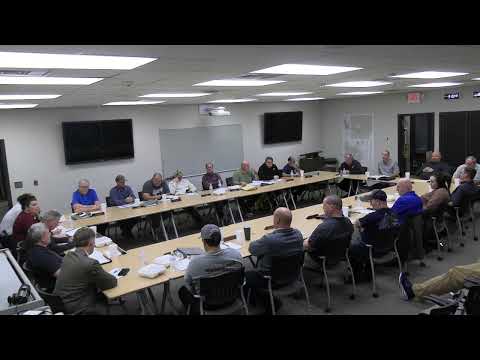
Commission hears updates on radios, hydrant data and training; equipment price and delivery issues noted
Summary
Commissioners received technical and training updates: a recommended Motorola radio replacement, hydrant GIS import problems delaying hydrant mapping, training class schedules and FDIC volunteer selection, and vendor price increases affecting turnout gear and other orders.
Lancaster County Fire Commission members heard several operational updates at the meeting: a recommended radio replacement model, ongoing hydrant GIS and data import problems that delay hydrant mapping, training schedules and FDIC volunteer selection criteria, and vendor price increases affecting equipment orders.
Robert, who answered technical radio questions during the meeting, said the commission should move toward the Motorola 6000 portable model for fire use because it has larger, glove‑friendly controls. ‘‘They’re cheaper, but I don’t feel like they’re compatible for fire,’’ Robert said of smaller models; he recommended the 6000 series because it better meets firefighters’ needs in smoke‑filled conditions. Commissioners noted that past radio purchases were partly grant‑funded and that volunteer radios have not been charged back to fire commission budgets to date; staff said they would notify chiefs before any change that would affect department budgets.
Firehouse data and hydrant mapping work is under way but has hit file‑format issues. Staff told the commission that Lancaster County Water and Sewer District and Lancaster City Water and Sewer maintain hydrant records in different formats; when the GIS export was combined, column misalignments caused some city hydrant fields to be mapped incorrectly or omitted. Staff are working with GIS to merge the files correctly so hydrants’ locations, flow rates and color coding (critical for tactical planning) appear properly in the mapping software.
Training and personnel updates included a reminder about FDIC (the national fire instructor conference) selection: applicants must be certified firefighter II, meet years‑of‑service and activity criteria, and the commission’s executive committee will vet interest forms after the March meeting. Gary, the training officer, reported that an upcoming firefighter II class is full at 21 students and that spring/fall rescue drills, low‑angle rope training and large‑truck extrication drills are being planned.
Equipment procurement remains stressed by global supply and tariff pressures. A staff member reported that two vendors had already notified the commission of price increases; turnout gear and some components sourced internationally are subject to tariff and supply shifts. Commissioners noted that long manufacturer lead times for apparatus mean that upfront price guarantees may be uncertain and that bulk orders may yield discounts but create financing complications.
Ending: Staff will (1) confirm the recommended radio model and advise chiefs on budget impacts, (2) continue GIS work to correct hydrant imports and restore missing city data, (3) proceed with training schedules and FDIC application deadlines, and (4) continue vendor outreach about pricing and lead times so commission procurement decisions reflect current costs and delivery estimates.