
Littlestown Area SD discusses reorienting and expanding stadium track, requests detailed costs and phasing
Get AI-powered insights, summaries, and transcripts
Subscribe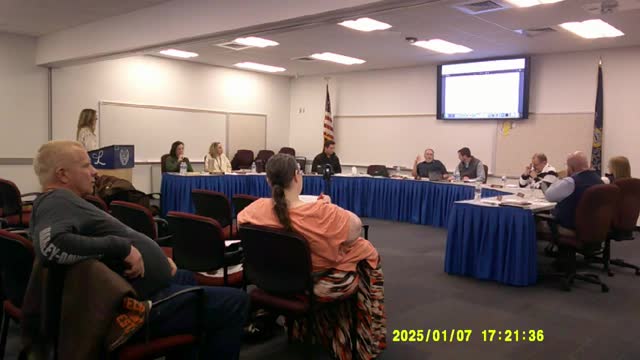
Summary
Board members reviewed designs for expanding and reorienting the high-school track and associated field work, asked staff for targeted cost estimates, and discussed potential revenue from meets and phased construction; no formal vote was taken.
Littlestown Area SD board members discussed plans to expand and possibly reorient the high-school track and to alter infield and outfield layouts, asking staff for more precise cost estimates and phasing options rather than taking final action.
Board members said the project could be phased over multiple years and asked staff to return with targeted designs and narrower cost ranges. One board member urged the district to pursue the option further, saying, “If you're interested . . . let's pursue it further,” and another asked staff to provide models that translate the feasibility study’s broad ranges into specific, actionable numbers.
The discussion covered uses and revenue prospects if the track were expanded to eight lanes: hosting tournaments, camps and meets; reducing wear by spreading use across more lanes; and adding field markings for sports such as soccer, field hockey and lacrosse. A staff member noted typical line-striping costs for turf would be “15 to $20,000” and described potential revenue streams from meets — including per-team and per-athlete charges and ticketing if parking areas were secured — while cautioning that outside timing services and equipment add cost.
Board members discussed site-level questions including drainage and regrading if the infield or track profile changes. Staff said existing drainage was evaluated during earlier conversations and that the capital project plan will include the track for the first time when it appears on the district’s capital project list; the board can decide to defer work if it is not financially viable when that project request returns for formal consideration.
No formal motion or vote occurred. Board members directed staff to produce refined design options, narrower cost estimates and phasing scenarios and to return with that information at a future meeting. The board noted that any regrading or work that changes drainage would require the staff’s engineering review and confirmation of mitigation measures.
Next steps: staff will prepare designs and cost estimates that break the project into phases and provide clear cost ranges and implications for turf markings, fence location and drainage, with the intent of bringing the information back to the board for future budget and capital-plan decisions.