Get Full Government Meeting Transcripts, Videos, & Alerts Forever!
Central Wisconsin Airport reports emergency landing; low bid for transient hangar and service upgrades planned
Summary
Airport staff reported an unscheduled emergency landing after a cracked windshield, received competitive bids for a new transient hangar with a low apparent bid of about $2.86 million funded by BIL, and said American Airlines will begin using a larger regional jet this spring.
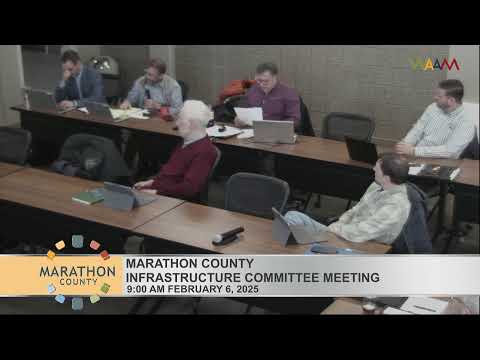
Brian, an airport staff member, told the Infrastructure Committee a private jet with seven people aboard made an unscheduled arrival at Central Wisconsin Airport after the crew reported a cracked windshield. The aircraft declared an emergency as a precaution, deployed masks but did not lose cabin pressure, landed safely and left the field after repairs and a filed report, Brian said.
Why it matters: the incident is an operational example of transient hangar need; staff said a transient hangar would provide…
Already have an account? Log in
Subscribe to keep reading
Unlock the rest of this article — and every article on Citizen Portal.
- Unlimited articles
- AI-powered breakdowns of topics, speakers, decisions, and budgets
- Instant alerts when your location has a new meeting
- Follow topics and more locations
- 1,000 AI Insights / month, plus AI Chat