Get Full Government Meeting Transcripts, Videos, & Alerts Forever!
Get email alerts on the Homelessness topic
No spam. Unsubscribe anytime.
Auburn human services describes outreach, shelters and housing programs funded with ARPA and opioid‑settlement money
Summary
Human Services Director Kent Hay outlined the city’s outreach work, shelter and housing placements, the community court model and use of federal ARPA, CDBG and opioid‑settlement funds to support housing and recovery services; staff reported 472 contacts and 205 people housed in 2024.
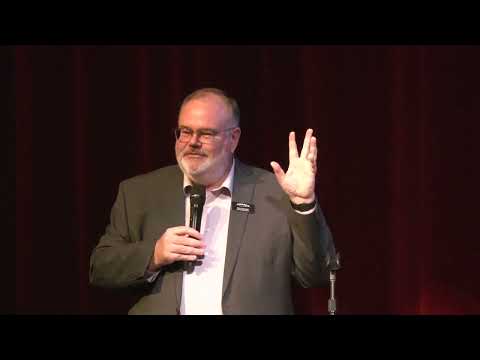
Kent Hay, the City of Auburn human services director, gave a detailed account of the city’s outreach and housing efforts at the community forum.
Hay said the outreach team includes two full‑time outreach workers who canvas encampments, register people in HMIS (the Homelessness Management Information System), and link residents to services. Hay said the team also includes a peer specialist who oversees a clean‑and‑sober housing program funded with American Rescue Plan Act (ARPA) funds and opioid‑settlement dollars. “We do house people, we transport people, we take people to doctor's appointments,” Hay said.
Hay described several locally run services and partnerships: the Ray of Hope food bank, a day and night shelter called the Sundown Night Shelter, a resource center that operates on Thursdays with multiple providers, and a community court that offers a six‑month, low‑severity jurisdiction option for people who opt in and agree to supervision and services. He said the city partners with HealthPoint, We Care and A Walk to Freedom for wound care and substance‑use treatment services and described a “recovery cafe” model supported by partners.
Hay said King County purchased the former Clarion Hotel to create a “health through housing” hotel; Auburn receives the majority of units and the city uses those placements to move people from shelter to more structured housing. He said the city’s outreach statistics for 2024 show 472 contacts and 205 people housed during the year.
Hay said the city enforces a local camping ordinance that prohibits camping in parks and public places and that outreach staff prioritize offering services first, but that enforcement, trespass and arrests remain options when people refuse help or persist in illegal camping.
Hay described the funding sources the city uses: ARPA, opioid‑settlement funds and Community Development Block Grant (CDBG) money for housing repair and other assistance intended to prevent homelessness. He said outreach workers can nominate people for housing through HMIS and that the city coordinates with King County on nominations and placements.
Ending: Hay said Auburn’s approach emphasizes rapid engagement, use of regional housing placements and a mix of service partners; he urged residents to use the city’s resource center and said outreach staff continue daily work in encampments.