Get Full Government Meeting Transcripts, Videos, & Alerts Forever!
Get email alerts on the Homelessness topic
No spam. Unsubscribe anytime.
Local nonprofit urges county to allow low‑barrier women’s encampment after code enforcement notices
Summary
Multiple speakers from the nonprofit Offensive and residents described the role of a low‑barrier women’s camp called Camp O and asked the county for time and policy adjustments after code enforcement actions; commissioners heard emotional testimony but took no formal action.
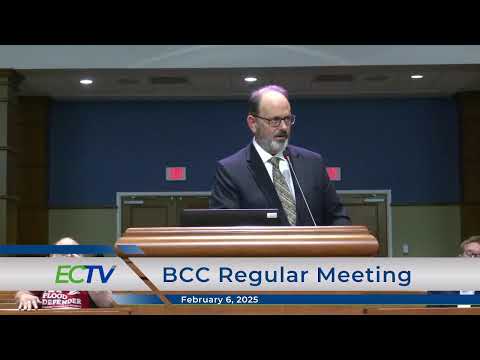
Multiple speakers from the nonprofit group Offensive and residents told the Escambia County Board of County Commissioners on Feb. 6 that a low‑barrier women’s camp they operate provides case management, safety and services for women who have not been able to access traditional shelters.
Brad Bishop, founder of Offensive, described how the organization began distributing naloxone and later encountered women in need of temporary shelter during outreach. Jasmine Rivera and Gabrielle Francis described case management services at the camp and said many program participants had experienced sexual assault, trafficking or other trauma; they asked the county to allow a variance or other accommodation so the nonprofit could continue providing the site as a bridge to services.
Several women who said they had stayed at the site recounted how the program helped them stabilize, access showers and laundry, and receive mental‑health and substance‑use referrals. Rudolph Koper and Stacy Stoudemire also spoke in support of the camp, and Michelle Carpenter described being helped by offensive personnel after assaults.
Speakers said the camp operates on private property, is fenced and maintained, and allows residents to keep pets. The nonprofit asked the board for either a policy change that would permit a structured low‑barrier encampment operated by a nonprofit or for temporary “grace” while they work toward a longer‑term solution and plan to transition residents into housing.
County staff and commissioners acknowledged the testimony but the Feb. 6 meeting record shows no formal board action on the encampment. Commissioners and staff referenced the need to comply with code enforcement and indicated that the county would continue to discuss options; several speakers asked for time to avoid displacing vulnerable women while case management continues.
No ordinance or variance was adopted at the meeting; the matter remains subject to code enforcement procedures and future staff/board action.