Get Full Government Meeting Transcripts, Videos, & Alerts Forever!
Get email alerts on the Emergency Medical Services topic
No spam. Unsubscribe anytime.
Somersworth OKs phased payments to Stewart’s Ambulance to preserve 24/7 paramedic coverage
Summary
The Somersworth City Council voted to amend and extend its contract with Stewart’s Ambulance Service, approving phased municipal payments over four years and extending the agreement through June 30, 2030, after committee review and a citywide discussion about EMS funding and insurance reimbursement challenges.
The Somersworth City Council voted Monday to amend and extend the city’s contract with Stewart’s Ambulance Service, authorizing phased municipal payments to sustain 24-hour paramedic-level ambulance coverage and extending the contract through June 30, 2030.
Councilors said the change responds to industrywide financial pressures that have made it difficult for private ambulance providers to operate without municipal support. Councilor Kenneth S. Vincent moved adoption of the resolution; Councilor Martin Pepin seconded. The motion passed on roll call.
The council packet and presentations described a four‑year phase-in of municipal support beginning July 1, 2025. The amendment calls for an initial payment of $65,000 starting 07/01/2025 and step increases in later years that incorporate the consumer price index; the parties also negotiated a five‑year term with the right to extend the agreement by three additional years.
Why it matters: Council members said the city has received paramedic-level coverage from Stewart’s without municipal payments for years, an arrangement they called an anomaly statewide. Councilor Vincent summarized a broader industry problem: insurers and network reimbursement practices have left many private ambulance services unable to fully recoup costs, and some services statewide have ceased operations. He said the city had enjoyed “a bargain deal” for many years and urged support to preserve local coverage. “We got a bargain deal. We’ve had a bargain deal for years,” Vincent said during debate.
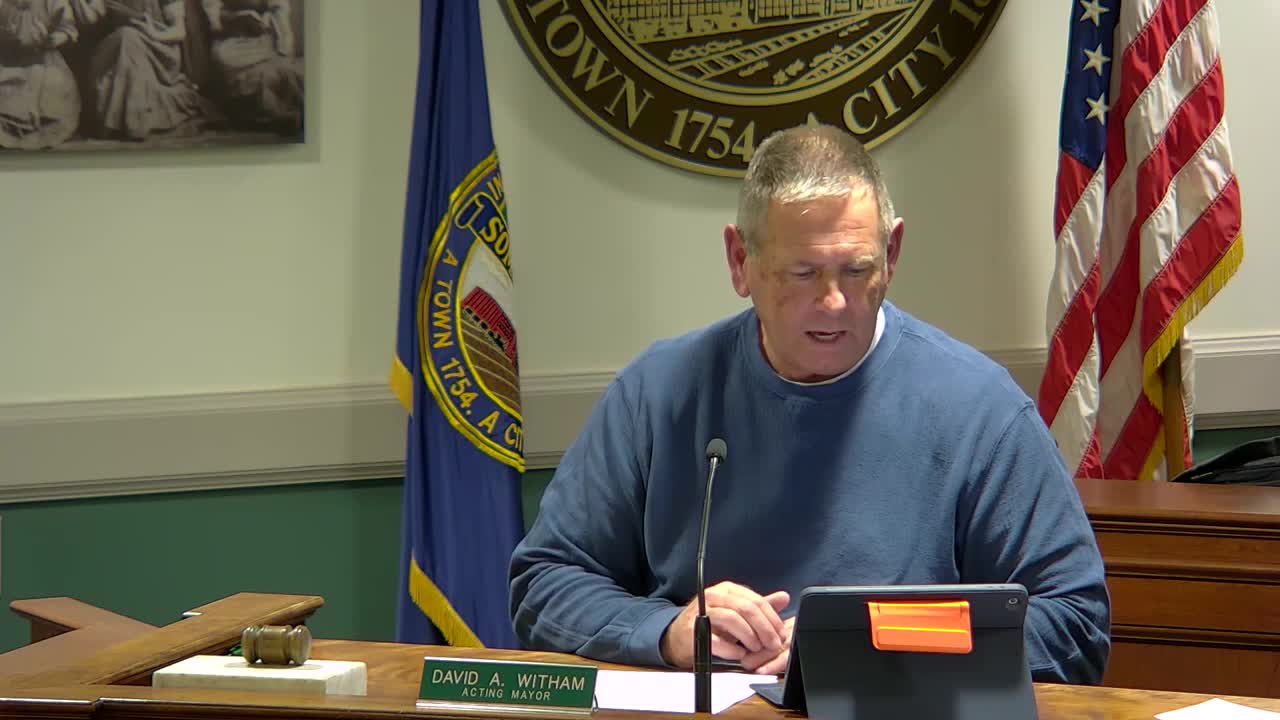
Council discussion emphasized tradeoffs and timing. Several councilors, including Councilor David A. Witham and Councilor Pepin, said the contract amendment is less costly than alternatives discussed in committee, such as switching to a fire‑department–run EMS service, which councilors estimated would carry multi‑million‑dollar staffing costs. Councilor Goodwin voted against suspending council rules to take the resolution up immediately but voted in favor of the final adoption. Councilor Goodwin said she had concerns about the speed of the process and public opportunity to comment before a financial decision was finalized.
Stewart’s representatives attended the meeting and answered committee questions earlier in January. Vice President Chris Hogan, Executive Chairman Jason Van Ethan and board member Paul Robitis described rising personnel, supply and operational costs and said some private ambulance providers are exiting the market. Councilors said the amended contract includes termination provisions: Stewart’s may terminate under contract with notice, and the city retains an exit period as well, which councilors cited as a safeguard.
The council also noted that the contract and the new line item will appear in the upcoming municipal budget process and public hearings, giving residents another opportunity to weigh in on long‑term funding.
Ending: With the adopted amendment, the city will provide phased financial support to Stewart’s Ambulance Service to maintain the current level of emergency medical coverage while retaining contractual exit options and oversight through routine budget hearings.