Get Full Government Meeting Transcripts, Videos, & Alerts Forever!
Get email alerts on the Justice Involved Tax Relief topic
No spam. Unsubscribe anytime.
Ways and Means hears bill to create tax reconciliation program for justice-involved individuals
Summary
House Bill 634 would establish an income tax reconciliation program in the Comptroller's Office to reduce tax burdens for justice-involved individuals released from incarceration; Comptroller Brooke Lierman and advocates testified in support.
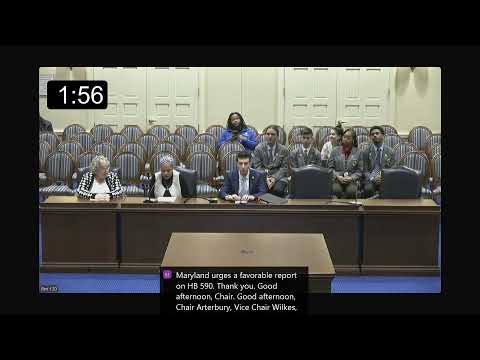
Delegate Williams and Comptroller Brooke Lierman presented House Bill 634 on Feb. 6, asking the Ways and Means Committee to create an "income tax reconciliation program" to help justice-involved individuals resolve tax debts accumulated during incarceration.
Delegate Williams described the program as targeted to people sentenced to between six months and 10 years and said the initiative grew from his prior work in prison ministry. The bill would let the Comptroller's Office create a payment program for eligible individuals once they are released, the sponsor said.
Comptroller Lierman said the program would remove barriers to employment and reintegration by easing tax debt that can function as an additional punishment after a sentence is served. She said the office can implement the program with existing resources because the Comptroller's Office already operates related tools, including a low-income hardship program and an offer-in-compromise program; Lierman said an updated fiscal note in the committee packet shows no net staffing impact.
Supporters including the CASH Campaign of Maryland and Dr. Carmen Johnson, an impacted business owner and advocate, described how unresolved tax obligations complicate reentry and stressed the bill's potential to improve equity and economic opportunity. CASH's Teneya Moore said the bill's features -- including penalty waivers and supportive measures -- would help people resolve debts without undue hardship and increase the likelihood of collecting outstanding revenue by enabling compliance.
No formal committee action or votes were recorded during the hearing. The Comptroller urged a favorable report.
Committee members had no recorded objections during testimony; witnesses emphasized program administration within the Comptroller's existing systems and the bill's focus on post-release financial rehabilitation.