Get Full Government Meeting Transcripts, Videos, & Alerts Forever!
Get email alerts on the Judicial Appeals Court Oral Arguments topic
No spam. Unsubscribe anytime.
Construction‑contract appeal tests scope of SJC’s G4S rule on strict performance versus material breach
Summary
The panel heard competing arguments about whether a general contractor’s obligation to supervise work is a G4S ‘complete and strict performance’ clause for construction projects (a question of law), or a fact question for the jury (materiality), after a multimillion‑dollar jury verdict on contract and negligence claims.
JK Scanlon Co. LLC v. Trustees (docket 24P679) returned to the Appeals Court on Feb. 6 as counsel disputed the practical application of the Supreme Judicial Court’s G4S decision on construction contracts. The arguments addressed whether a contractor’s supervision obligation should be treated as a term that, if breached, automatically bars recovery on a contract claim under the “complete and strict performance” standard, or whether supervision is a supportive provision assessed under the ordinary materiality standard.
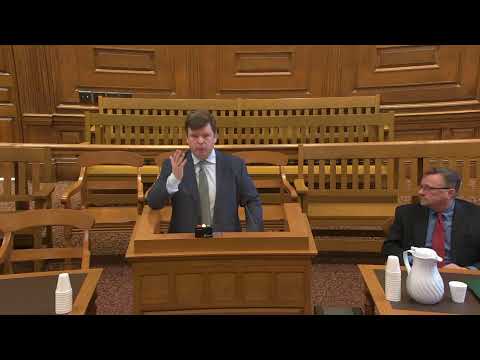
Appellant Scanlon (represented by Emily Musgrave) told the panel that the trial record produced inconsistent verdicts: a jury found negligent supervision but also returned a large breach‑of‑contract award. Musgrave argued G4S requires courts to treat clauses that bear on design and construction as a legal matter—subject to strict and complete performance—and that the judge erred by failing to correct inconsistent jury findings on post‑trial motions. Scanlon argued that the supervision clause should have been tested under G4S as a matter of law and, because the jury found negligence about supervision, Scanlon should have been relieved of its contract recovery.
The trustees’ counsel (Seth Pasakarnas of Hinckley Allen) responded that the trial record and instructions were adequate, that the trust waived many objections by not objecting to instructions or to the verdict in a timely fashion, and that the jury properly applied the law to disputed facts. The trustees also highlighted that other judgments (fraud, promissory estoppel) in the case were not appealed and that any relief the court ordered should not disturb those unappealed findings.
The court focused questioning on two strands: waiver (whether Scanlon forfeited its right to seek legal relief by failing to object at trial or to press a contemporaneous motion) and the proper scope of G4S—when a provision is per se a “construction” provision requiring strict compliance and when it is a supportive clause assessed by materiality. The parties urged different remedies: entry of judgment on the contract claim, reversal and remand for a new trial, or affirmation. The panel took the matter under advisement.