Get Full Government Meeting Transcripts, Videos, & Alerts Forever!
Get email alerts on the Municipal Finance topic
No spam. Unsubscribe anytime.
Kent says 2008 state sales-tax sourcing change cut city revenue despite large industrial base
Summary
A staff member told a City of Kent meeting that a 2008 change in Washington state's sales-tax sourcing rules reduced the city's share of sales tax revenue, prompting local tax increases and leaving Kent with less per-capita revenue than similar cities despite its large industrial economy.
A staff member told a City of Kent meeting that the city has lost substantial sales-tax revenue since Washington state changed how it allocates sales tax in Feb. 2008, despite the city's large industrial and distribution economy.
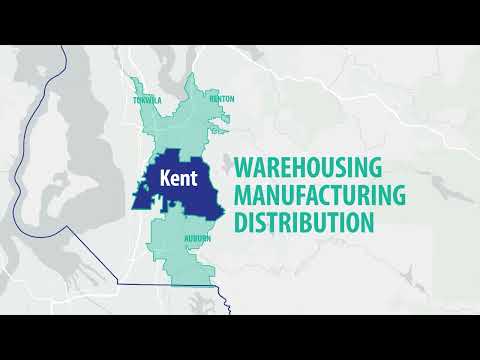
Kent matters because it hosts a large portion of the Kent Valley Industrial Center, a dense cluster of manufacturing, warehousing and distribution facilities that generate substantial economic output but, the staff member said, does not produce the same level of local sales-tax revenue under the current sourcing rules.
The staff member said the Kent Valley supports more than 12,000 companies, employs about 232,000 workers and contains roughly 106 million square feet of industrial buildings. The city government presented figures saying manufacturing in Kent produces about $16 billion in economic output—about 6% of Washington state's total for that sector—and wholesale trade generates roughly $7 billion, about 7% of the state total.
The staff member said the state's Feb. 2008 change moved sales-tax sourcing from origin (goods shipped from a city) to destination (goods shipped to a city). "Under this new structure, some cities received an increase in revenue while other cities like Kent lost significant revenue," the staff member said during the presentation. The city representative also said increased online sales did not make up the difference.
City staff told the meeting that more than 22% of Kent's land is zoned for industrial and warehousing uses and that those land uses produce limited local sales-tax revenue under the current sourcing rules. To offset revenue losses, Kent has increased local business-and-occupation and square-footage taxes compared with neighboring cities, the staff member said; despite those increases, the city generates "barely over half" of what comparable cities generate per capita, according to the presentation.
The staff member also raised secondary impacts: heavy truck traffic, higher road wear and greater local pollution tied to industrial activity, and said Kent receives limited compensation from state revenue under the current sourcing system.
The transcript of the meeting records the staff member's presentation and numbers but does not show a formal vote or decision on policy changes in response to the presentation. No ordinance, resolution or motion was recorded in the transcript relating to this item.
City officials and staff raised the distributional impact of Washington's sales-tax sourcing rules as a continuing fiscal challenge for Kent but no formal action was taken during the meeting, based on the recorded transcript.