Get Full Government Meeting Transcripts, Videos, & Alerts Forever!
Get email alerts on the Permitting topic
No spam. Unsubscribe anytime.
House debates fast‑track permits bill as rural officials seek more time, key deadlines survive
Summary
House members sparred over the Fast Track Permits Act (House Bill 202). Amendments from rural representatives seeking longer local review windows and protections for rehabilitation projects were debated; sponsors said existing bill language allows agreed extensions, and several amendment divisions were voted on.
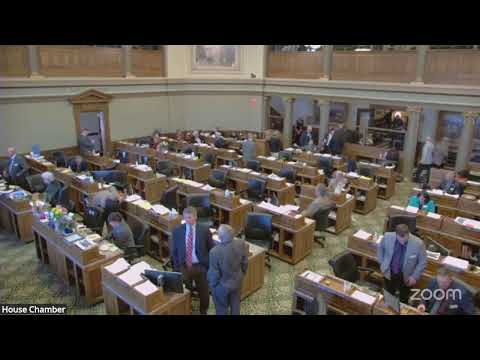
Lawmakers extensively debated House Bill 202, the so‑called Fast Track Permits Act, on Feb. 6, with members weighing state‑level timelines against the capacity of smaller cities and counties to process permits tied to federal or state actions.
Representative Campbell offered an amendment intended to raise some review periods (from 10 to 30 days in one place) and to protect local authorities when rehabilitation work reveals unanticipated conditions. Campbell said the change was requested by smaller counties and municipalities that must often coordinate with state or federal agencies and sometimes face staffing shortages.
Sponsor Representative Feiler opposed the amendment, saying the bill already contains a provision allowing municipalities and applicants to agree in writing on an alternative deadline and that lengthening statutory deadlines would remove incentive for localities to communicate with applicants. Feiler repeatedly framed the bill as creating accountability for both applicants and local governments; he told the House the automatic approval clause exists to prevent municipalities from effectively vetoing buildable projects by inaction.
Other floor speakers described the problems the amendment sought to address. Representative Campbell and others said a 30‑day window is more realistic where federal or state reviews are needed; Representative Watsburger warned exclusion of commercial properties could hurt small business owners such as laundromat operators awaiting local permits.
The floor divided one multipart amendment offered by Representative Feiler into two sections. Division 1 (minor wording changes referring to "by right" uses) was adopted. Division 2, which would have removed commercial properties from the bill and narrowed the measure to primarily residential uses, failed. Feiler also asked the House to reject another amendment that would have deleted the automatic approval/assignment language; the sponsor said the bill already allows written extensions when both parties agree.
After several rounds of discussion and division votes, House Bill 202 was ordered read a third time; the transcript does not include a final passage tally in this excerpt.
What it means: The debate highlighted a central tension in the bill — speeding permit decisions to promote development versus preserving local authority and giving under‑resourced municipalities time to coordinate with other agencies.