Get Full Government Meeting Transcripts, Videos, & Alerts Forever!
Get email alerts on the Defined Contribution Regulation topic
No spam. Unsubscribe anytime.
Consultants brief subcommittee on pending DC regulatory changes, litigation risks and recordkeeper oversight
Summary
Presenters reviewed potential changes affecting defined-contribution plans, including 403(b) access to collective investment trusts under the SEC, possible eligibility shifts to age 18, fiduciary-rollover disclosure proposals, litigation (LoperBright) affecting Chevron deference, and industry cases over use of forfeitures.
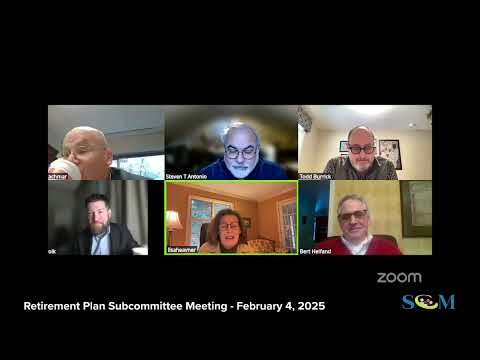
Simsbury — Tyler, presenter, gave the Retirement Plan Subcommittee an overview of pending federal regulatory and litigation developments that could affect the town’s defined-contribution plans and the record‑keeper oversight work the committee performs.
Tyler said the Secure Act contains a provision that could allow 403(b) plans to gain access to collective investment trusts (CITs) but noted SEC and regulatory guidance is still pending: "...we're kind of in a holding pattern specifically for 3B plans," he said. Consultants explained CITs generally offer lower fee access to pooled strategies compared with retail mutual funds, and that the committee would evaluate any opportunity to lower fees when guidance arrives.
Tyler also reviewed other federal topics under consideration: potential changes to eligibility that would allow plan participation beginning at age 18, a proposed fiduciary rule that would tighten disclosures and fiduciary obligations for advisors who give rollover advice, and industry interest in increased access to private investments or cryptocurrency in the defined‑contribution space. He warned that a pending Supreme Court decision (LoperBright Enterprises) has the potential to reduce agency deference under the Chevron doctrine and said: "What this court case really did was it reversed the Chevron doctrine which was a legal principle that says courts should defer to federal agencies when Congress hasn't made laws clear." He added that reversal could make rulemaking by agencies such as the DOL and SEC less likely or more fragile.
On litigation and plan practice, Tyler described ongoing industry cases on the use of forfeitures and referenced a pending case (described as the Clorox case) that could change whether plan sponsors should return forfeitures pro rata to participants rather than using forfeitures to offset plan expenses. He said the matter is industry‑wide and requires monitoring.
Tyler said the committee’s regular oversight work will continue: Mission Square remains the primary record keeper under review, the subcommittee will examine fees next quarter, cybersecurity has been reviewed previously, and the committee’s Investment Policy Statement continues to serve as the governing roadmap; no IPS changes were recommended at the meeting. The committee had no immediate policy actions to take on any of these federal items and asked staff to monitor developments and report back.