Get Full Government Meeting Transcripts, Videos, & Alerts Forever!
Get email alerts on the Administrative Procedures topic
No spam. Unsubscribe anytime.
Senate committee sends Administrative Procedures Act amendment to the floor after unanimous vote
Summary
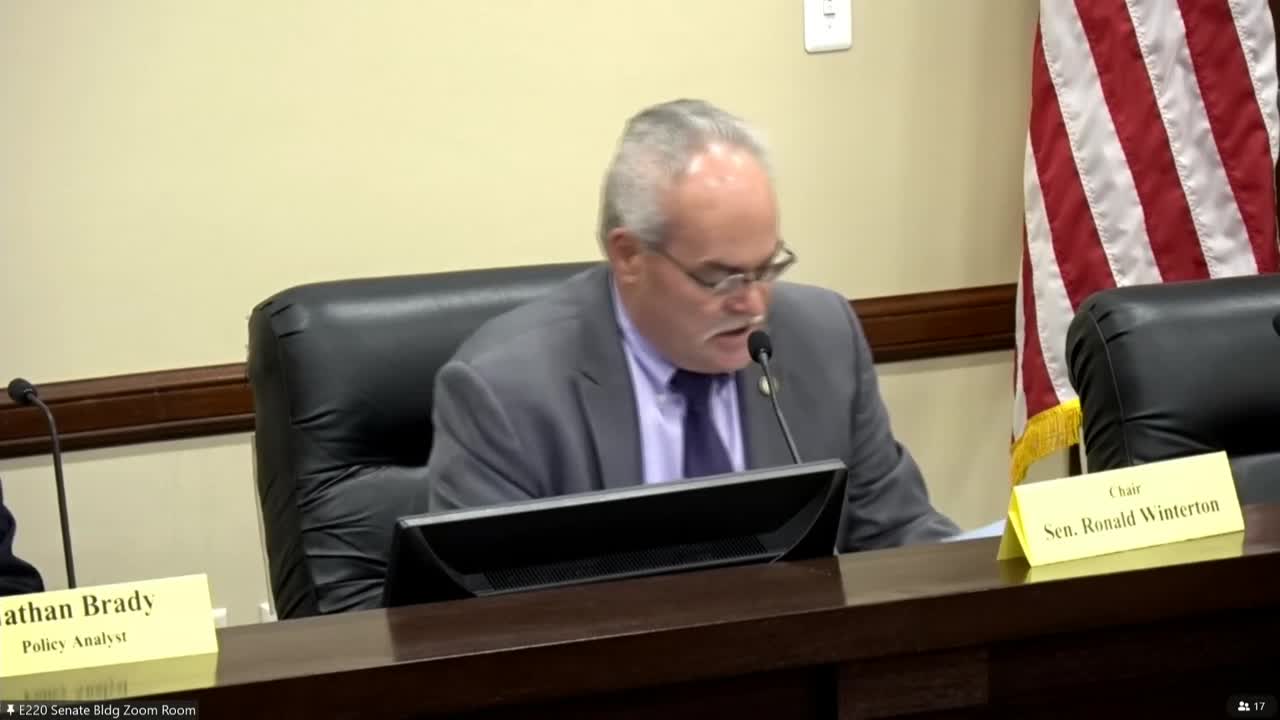
The Senate Government Operations Standing Committee unanimously recommended House Bill 73, which aligns the state Administrative Procedures Act with recent court precedent defining final administrative action, after brief sponsor remarks and supportive public comment from the Utah Petroleum Association.
Representative Melissa Lisonbee, sponsor of House Bill 73, told the Senate Government Operations Standing Committee that the bill updates statutory language to match how courts have treated final administrative action. "So HB 73 is simply a result of the judiciary interim committee...this basically just puts in statute what the courts are using currently as a rule for final administrative action," Representative Lisonbee said, citing Vote Solar v. Public Service Commission of Utah, a 2023 court decision.
The bill drew one in-person public comment from Ricky Renko Browning, president of the Utah Petroleum Association, who said the association supported the bill but asked for confirmation that it would not alter existing statutory or regulatory dates that already establish earlier points for final agency action. "We support the bill, but did just want to point out that there are certain times where...final agency action is already considered," Browning said.
Senator Sandle moved that the committee recommend HB 73 favorably; the motion carried unanimously. The committee took no further amendments and the sponsor waived her closing remarks.
The committee did not identify any additional changes to existing appeal windows or other deadlines in committee discussion. The committee recorded the action as a favorable recommendation to the full Senate.
Members and presenters signaled that the bill addresses a technical alignment between statute and recent case law rather than a substantive policy change.
The full Senate will receive the committee’s favorable recommendation and may consider the bill on second reading or refer it for additional amendment.