Get Full Government Meeting Transcripts, Videos, & Alerts Forever!
Get email alerts on the Arts & Culture topic
No spam. Unsubscribe anytime.
Commission on the Arts outlines grants, small budget and statewide economic impact
Summary
The Idaho Commission on the Arts told JFAC it distributed about $880,000 in grants last year covering 38 of 44 counties, seeks a small ongoing general‑fund increase to expand arts‑education grants, and reported federal and private matching funds.
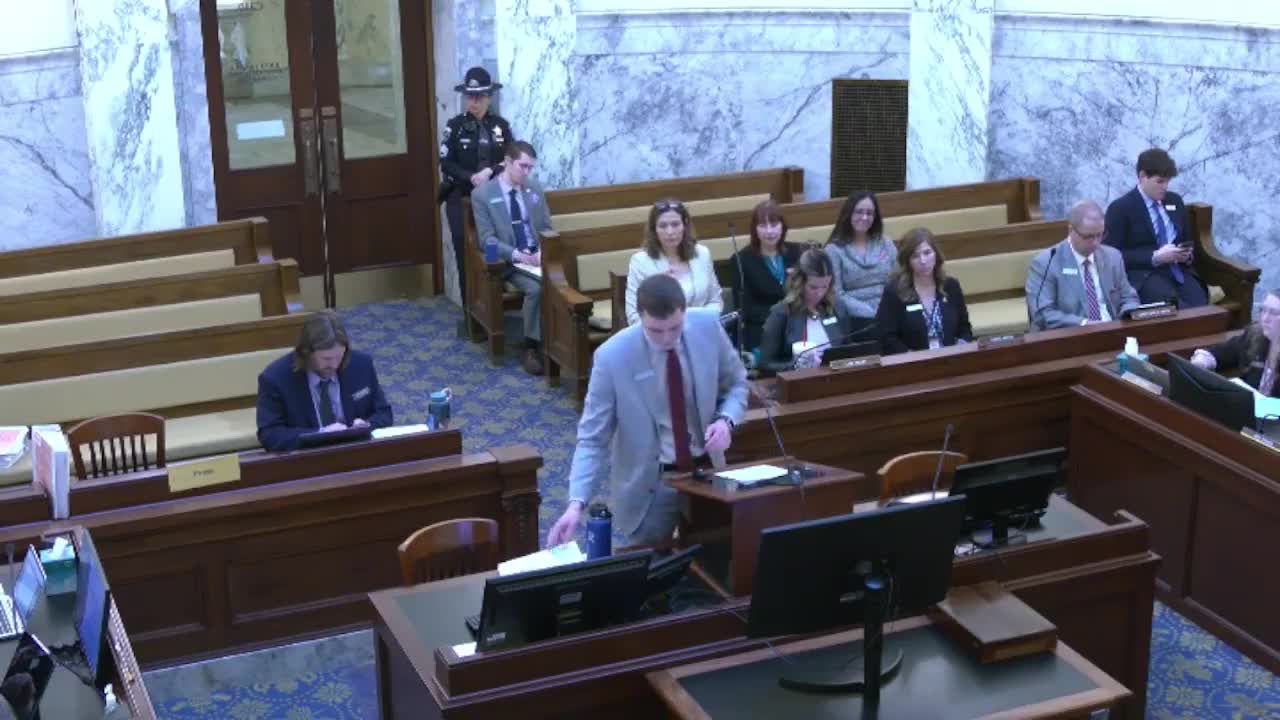
The Idaho Commission on the Arts briefed the Joint Finance‑Appropriations Committee Thursday on its budget, grant activity and statewide economic contributions.
Analyst Kellen McGurkin told the committee the commission — established by the legislature in 1966 — is funded by a mix of state general fund and federal National Endowment for the Arts (NEA) grants, plus occasional donations. The commission’s FY2024 spending included grants, personnel and operating costs that were roughly split between federal and state funding sources. McGurkin said the commission distributed roughly $880,000 in grants that supported 215 grants across 38 counties, primarily to schools and nonprofit cultural organizations.
Director Laura Curry told members the agency’s mission is to boost arts access statewide through grants, business training for artists and recognition programs. Curry said last fiscal year the arts sector generated about $2.7 billion in annual economic impact in Idaho and supports roughly 22,000 jobs; she described artists as small business owners who provide classes, events and cultural tourism that help local economies.
For FY2026 the commission requested an $18,400 ongoing general‑fund increase to support four additional arts‑education grants and expand state matching for NEA awards. The commission noted its misc revenue fund — which depends on donations and irregular conference revenues — is expected to decline and the agency will focus that fund on smaller administrative costs rather than grant‑match uses.
Curry and staff said their programs reach students and communities across the state and described the grants as having both educational and economic benefits, citing examples such as local festivals and school arts programming. Committee members complimented the agency’s small staff for broad geographic reach and asked about supplemental materials and county data, which the commission said are available on request.
The commission’s materials and funding trends are included in the committee packet and the agency said it would provide additional local data upon request.