Get Full Government Meeting Transcripts, Videos, & Alerts Forever!
Get email alerts on the Pardons Parole Commission topic
No spam. Unsubscribe anytime.
Parole commission seeks pay bump as new director warns of impending turnover and unpaid prep work
Summary
The Commission of Pardons and Parole asked the Joint Finance Preparations Committee for statutory authority and funding to raise commissioner pay from $300 to $400 per hearing day; the commission's new executive director said commissioners spend unpaid days preparing for hearings and that turnover is expected.
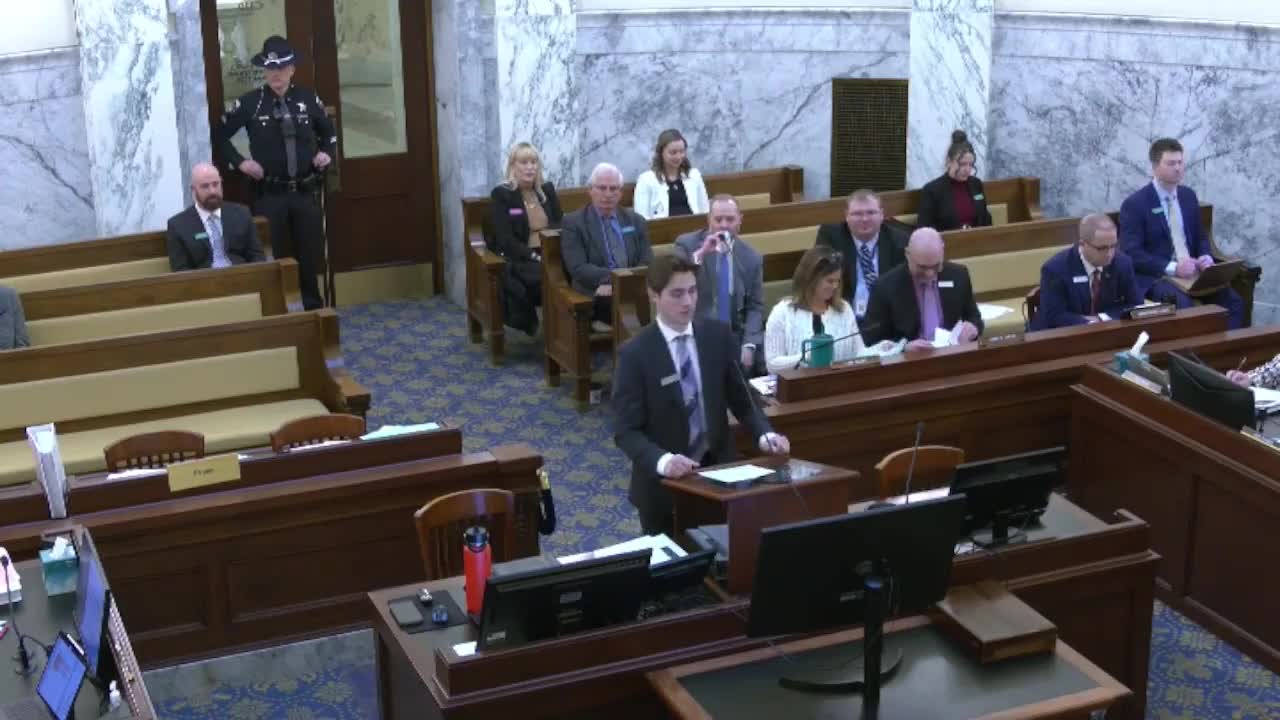
The Idaho Commission of Pardons and Parole asked the Joint Finance Preparations Committee on Feb. 4 for authority and funding to raise commissioner pay and for modest equipment replacement funding as the agency plans leadership and procedural reviews.
Noah Peterson, budget and policy analyst with the Legislative Services Office, told the committee the commission requested a statutory change (subject to legislation) to increase commissioner pay from $300 to $400 per hearing day. The governor’s fiscal impact estimate for that pay change was $59,300. The request also included nine replacement laptops for $12,600 as recommended by the Office of Information Technology Services.
Peterson summarized the commission’s functions and noted historical context: commissioners last received a pay increase in 2017 (from $200 to $300) and prior to that had not received increases since 2007. He said commissioners delivered 5,160 decisions in 2017 and 6,670 decisions in fiscal year 2024.
Christine Starr, executive director for the Commission of Pardons and Parole, told the committee she had been in the role a little over three months and that she anticipates losing more than half of the commission by December unless compensation and other structural issues are addressed. Starr described the workload tied to hearings: commissioners typically hold hearings three weeks out of each month and are compensated only for hearing days, not for the preparatory reading and training. "When you do all the calculations, they're actually putting in 26 hours of preparation for the 5 days of hearings that they have, which comes out to about 3.25 days that they're not compensated for with respect to the hearings that they're accountable for for a week," Starr said.
Representative Manwaring asked how many hearing days were scheduled; Starr said the commissioners generally do hearings every day for three weeks each month and that scheduling runs year-round. Senator Wintrow and others raised concerns about the unpaid preparation time and suggested the Legislature may want to consider structural changes to ensure commissioners have sufficient, compensated time to prepare for complex decisions.
The commission also noted a statutory reorganization. Peterson said House Bill 462 of 2024 amended "section 22 0 1 of Idaho code," moving the Commission of Pardons and Parole out from under the Department of Correction and into the Department of Self Governing Agencies (as referenced in the agency’s materials).
Starr told the committee she plans to analyze processes and decision-making frameworks and to explore commission models used elsewhere. The committee did not vote on the pay request at the hearing; staff said the fiscal impact estimate and any enabling legislation would proceed through the standard bill and appropriation process.