Get Full Government Meeting Transcripts, Videos, & Alerts Forever!
Get email alerts on the Transparency Ndas topic
No spam. Unsubscribe anytime.
City Council bans nondisclosure agreements for council staff after heated debate
Summary
The Boston City Council voted to bar nondisclosure, nondisparagement and similar clauses as a condition of employment for City Council staff, adopting Docket 0190 in a new draft. Supporters said the policy protects transparency and staff who report wrongdoing; opponents and some members urged broader, citywide action.
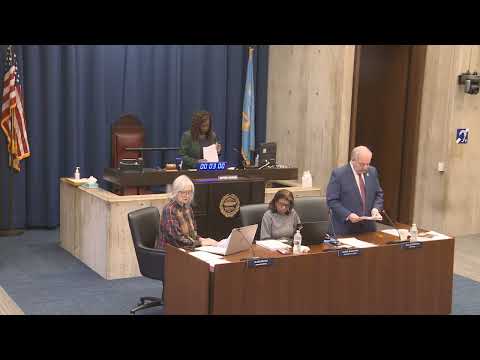
The Boston City Council on Feb. 5 passed an order prohibiting councilors from requiring nondisclosure, nondisparagement or confidentiality provisions as a condition of employment for City Council staff, adopting Docket 0190 "in a new draft." The measure passed after debate in committee and on the council floor.
The policy is framed as an internal rules change for the City Council intended to ensure staff can raise concerns without fear of retaliation. "The committee discussed the use of such agreements, emphasizing that the city council should uphold the highest standards, fostering an environment which staff feel comfortable raising concerns without fear of retaliation," the committee report said.
Supporters argued the agreements can be used to conceal unlawful conduct and intimidate workers. Councilor Benjamin Weber, the docket sponsor, said the policy mirrors state action and shows the council will not require staff to sign clauses that restrict disclosure: "As a body, the councilors agree not to require people to sign nondisclosure agreements, confidentiality agreements, or anything else that would restrict somebody's ability to expose or to talk about policy issues and what's going on in the council as a condition of working on the council." Councilor Erin Murphy, who led the committee hearing, said the policy was meant to build confidence in the institution and protect staff: "[The committee] emphasized that such agreements should not be used to conceal unlawful behavior and supported preventing the misuse of these agreements."
Councilor Edward Flynn moved an amendment to add a sentence recommending the city administration adopt a similar prohibition across city departments; Flynn pressed that the city should "recommend the prohibition of such agreements citywide" and said, "I don't believe NDAs or agreements... belong in city government, period." That proposed addition did not carry in committee and was not included in the final adopted draft. Council members who supported the amendment said it reflected many residents' concerns; others, including several committee members, said rule changes adopted by the council do not by themselves bind other city departments and that broader change should come via a home-rule petition or ordinance.
The council accepted the committee report and passed Docket 0190 as presented. The committee hearing and floor debate included multiple members of the Rules and Administration Committee and several amendments to clarifying language; the final order makes clear it applies to agreements made as a condition of employment with City Council offices and directs administrative steps to ensure current and future staff receive the policy in writing.
What happens next: the policy governs Council operations and does not itself impose penalties on other city departments. Several speakers said they intend to pursue a home-rule petition or separate legislation to extend similar restrictions beyond the council.
Ending note: Passage of Docket 0190 marks a formal policy change for the City Council; advocates for further change said they will press for a citywide ban through other legislative vehicles.