Get Full Government Meeting Transcripts, Videos, & Alerts Forever!
Get email alerts on the Law Enforcement Monitoring topic
No spam. Unsubscribe anytime.
City Council approves Kroll as independent monitor with Public Management to set compliance criteria
Summary
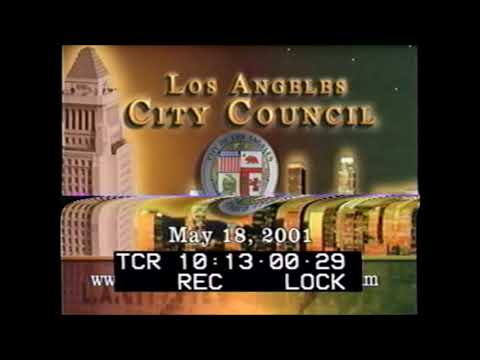
The Los Angeles City Council on May 18 approved Kroll and Associates as the primary independent monitor for the LAPD consent decree and directed Public Management Resources to develop the compliance methodology the monitor will use.
The Los Angeles City Council on May 18 approved Kroll and Associates as the primary independent monitor for the LAPD consent decree and directed that Public Management Resources (led by Jim Ginger) develop the front-end criteria and methodology the monitor will use to judge compliance.
The vote follows months of review, interviews and negotiation with the U.S. Department of Justice and came after hours of public comment and a lengthy council debate about the teams’ qualifications, local participation, diversity and the timetable for court review.
Councilmembers and staff told colleagues the city and DOJ had worked toward a mutual recommendation. Tim McCosker of the City Attorney’s Office said the city and DOJ had to present a joint status to the court and urged the council to act: "Mutual recommendation from the Department of Justice and from the city." Kelly, a member of the city selection team, summarized the selection rationale: "On the basis of these criteria, both Kroll and Ginger satisfy." The council adopted a motion to approve Kroll as the monitor and Public Management Resources to develop the evaluation methodology; the motion directed staff to complete contracts and notify the court.
Why it matters: The consent decree remains unentered until the court sees the parties’ monitor recommendation. The monitor will report to the court and evaluate whether the Los Angeles Police Department meets the decree's requirements; the methodology for that evaluation is central to how compliance will be judged and how quickly the city can demonstrate progress.
What was debated: Councilmembers raised several concerns at length before the vote: - Local involvement and familiarity: Multiple councilmembers asked why the top teams did not include an explicit local participant and whether local expertise should be built into the monitor team. Staff replied that the selection criteria used were those in the consent decree (integrity, evenhandedness, law-enforcement knowledge, absence of bias and no recent personal involvement in suits against the city) and that Public Management Resources’ front-end work would create clear compliance criteria.
- Demographics and perceived bias: Members asked for fuller demographic detail about the recommended teams and questioned whether prior litigation or local ties would preclude candidates. Staff said the teams recommended best met the consent-decree criteria and that some local applicants carried burdens (lawsuits or perceived conflicts) that made them less competitive under the stated criteria.
- Turnover and contingencies: Councilmembers asked how the monitor’s work would proceed if senior team members left (for example, because of other job prospects). Staff said contracts would require replacement plans and that the monitor would present replacements to the parties and court as needed.
Public comment prior to the vote included speakers urging swift implementation of oversight and stressing frustration at prior delays in hiring a monitor.
Formal action and next steps: Councilmember Misakowski moved the motion to approve Kroll and Public Management Resources; Councilmember Chick seconded. The council ultimately approved the corrected motion (which conforms to the consent decree’s requirement that both mayor and council act) and staff were directed to finalize contracts and notify the court. The final reported tally on the corrected motion was 9 ayes and 3 noes. The motion required the mayor’s concurrence under the consent-decree process and staff said contracts would be returned to the council and the court would be informed on Monday as required.
Quotes: "Mutual recommendation from the Department of Justice and from the city," Tim McCosker said. "On the basis of these criteria, both Kroll and Ginger satisfy," Kelly said of the recommended teams.
The council’s decision sets the city on a path to have an external, court-supervised monitor evaluate LAPD compliance with the consent decree. Contracts for Kroll and Public Management Resources were expected to be presented to the council the following week for formal execution.