Get Full Government Meeting Transcripts, Videos, & Alerts Forever!
Get email alerts on the Artistic Crosswalks topic
No spam. Unsubscribe anytime.
Commission hears crosswalk art cost and maintenance concerns; staff recommends pausing new crosswalks
Summary
Staff presented price estimates for proposed artistic crosswalks, with costs ranging from about $36,902 to more than $100,000 for paint/thermoplastic installations, and recommended focusing on less expensive bridge wraps this year because of high cost and maintenance risks.
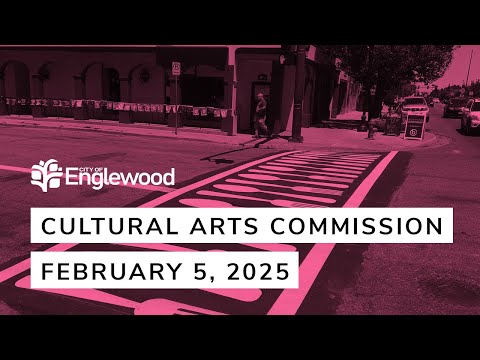
Englewood’s Cultural Arts Commission heard a staff briefing Tuesday that artistic crosswalk installations are substantially more expensive and harder to maintain than earlier estimates, and staff recommended pausing new crosswalk projects for the year in favor of more affordable options.
Lucia Magnuson, web and digital content strategist in the communications department, walked commissioners through the crosswalk submission and public‑works review processes. She said Public Works conducts a feasibility check, then obtains vendor cost estimates; some of the most feasible designs now show high prices.
“Some of them are so expensive. The cheapest one that we have is the bottom stripes in that selection, which is $36,902,” Magnuson said, adding that other estimates reached “$102,000” and “$120,000” for more complex designs. She told the commission the figures are for painted installations using specialized materials and thermoplastic, and that vinyl is not an option for crosswalks.
Why it matters: staff said artistic crosswalk paint can dull quickly, be damaged by water‑main breaks or nearby public‑works projects, and is costly to repair or replace. The commission’s current cultural‑arts budget is roughly $20,000, which staff said would not cover even the lowest quoted crosswalk.
Staff recommendation and risks: because of the high upfront costs and ongoing maintenance risks, staff recommended the commission prioritize bridge wraps (cheaper and easier to install) this year and pursue crosswalk art only when an existing or upcoming Public Works reconstruction project (for example, a Complete Streets project or water‑line replacement) creates a low‑risk opportunity to install and maintain the work.
Public feedback and accessibility: the commission discussed accessibility concerns including potential confusion for people who are neurodivergent or have visual impairments. Commissioners asked staff to consider high‑contrast designs and other accommodations if crosswalk art is pursued in the future.
Next steps: staff suggested hunting for Public Works projects where crosswalk art can be piggybacked onto planned construction, and to continue the crosswalk program only when budgets and maintenance conditions align.
No formal votes were taken on the crosswalk program at the meeting; staff asked commissioners to reserve judgment while staff searches for lower‑risk opportunities and possible funding partnerships.