Get Full Government Meeting Transcripts, Videos, & Alerts Forever!
Get email alerts on the Business Entities Llc topic
No spam. Unsubscribe anytime.
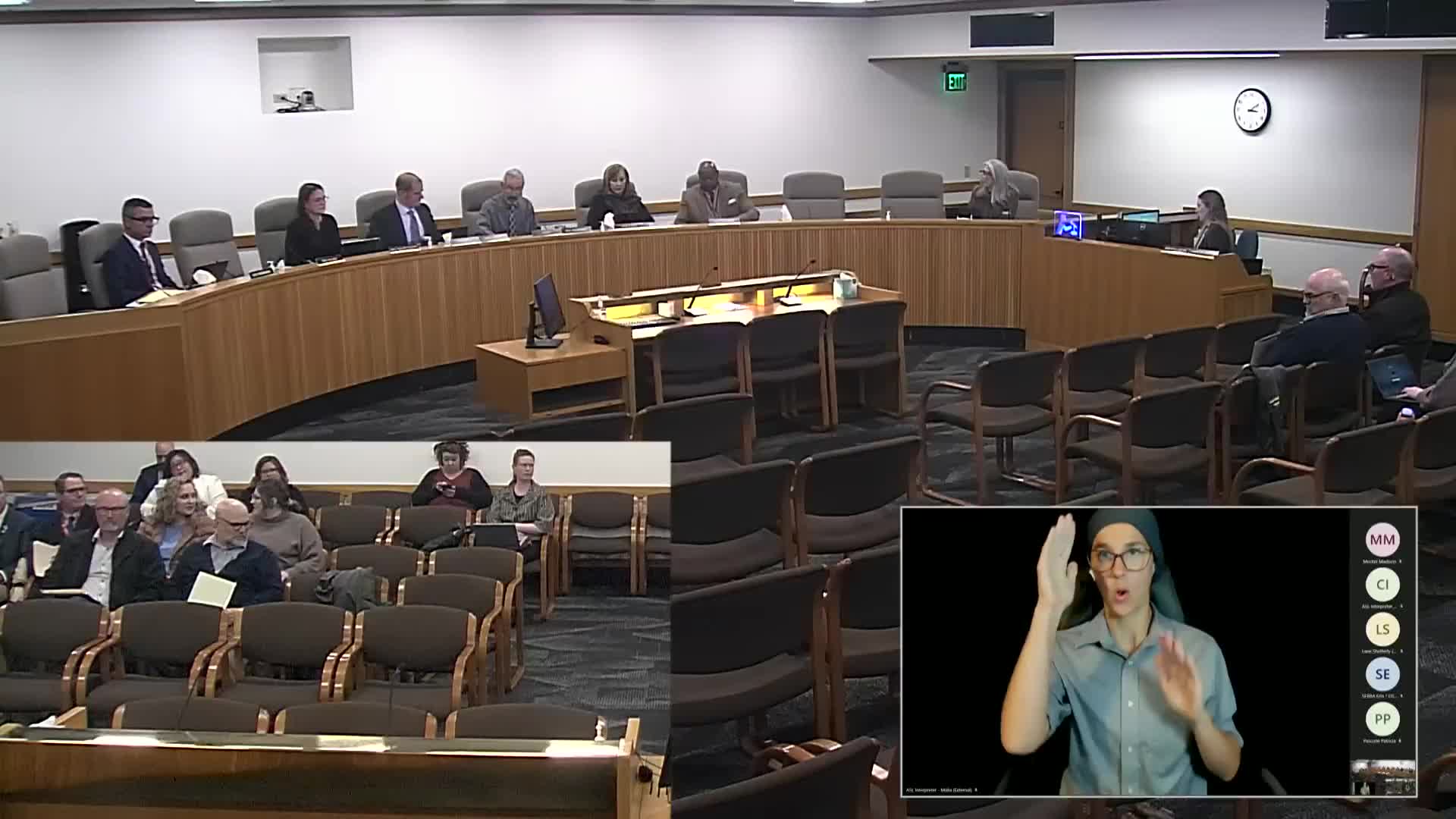
Senate committee hears proposal to modernize Oregon LLC law
Summary
The Senate Committee on Judiciary heard testimony on Senate Bill 164, which would replace Oregon's 1993 LLC statute with a tailored version of the Uniform Law Commission's modern LLC Act to clarify default rules and add tools for transactions among LLCs.
Chair Senator Floyd Prozanski opened a public hearing on Senate Bill 164, which would modernize Oregon law governing limited liability companies by adopting a tailored version of the Uniform Law Commission—s Limited Liability Company Act.
The bill—s sponsors and the Oregon Law Commission emphasized that SB 164 preserves key components of Oregon—s existing LLC statutes while reorganizing and modernizing language. "Oregon adopted the current limited liability company act back in 1993," said Valerie Sasaki, vice chair of the work group and chair of the Oregon Law Commission, who described a multi-year, cross‑stakeholder effort. "This measure generally follows the Uniform Law Commission's acts LLC act structure while preserving key components and language of Oregon's existing LLC statutes."
Why it matters: The nut graf — SB 164 is intended to reduce compliance costs, streamline administration, and provide clearer default rules for members who do not have operating agreements. Proponents said the changes would benefit small "carpet‑layer" businesses as well as larger enterprises by codifying judicially developed principles and adding transactional tools.
Proponents described several concrete changes. Speakers noted the bill incorporates concepts from the Restatement (Third) of Agency, clarifies charging order procedures to help creditor‑debtor disputes, and adds practical tools such as permitting the swap of membership interests between LLCs in some circumstances to avoid complex reorganizations. "One of the tools that it brings to the table is it allows us to say, okay, you can swap your interests," Sasaki said, describing a practical example from her practice where such a tool would have reduced legal fees.
The work group that drafted the proposal included practitioners, the Department of Revenue, the Secretary of State—s office and members of the bench. Sasaki said the group focused on keeping default rules approachable for individuals who form small business LLCs and on providing consistency across jurisdictions; she noted that several neighboring states have adopted the Uniform Act or its revisions.
Committee members asked technical questions and staff indicated there is a dash‑1 amendment posted to clarify that existing common‑law causes of action and statutory remedies remain available unless expressly displaced. Proponents said the amendment adds four words intended as reassurance and that they were continuing to coordinate with the Oregon Bureau of Investigation and the Department of Justice on minor drafting clarifications.
No formal committee action or vote occurred at the hearing; committee staff closed the public hearing after questions and moved on to the next matter.
The hearing record shows proponents emphasized continuity with Oregon law and incremental tools that modernize statutory structure without upending long‑standing rules. Critics were not present on the hearing record for SB 164 during this session. The bill will return for further committee consideration if sponsors file amendments or request a work session.