Get Full Government Meeting Transcripts, Videos, & Alerts Forever!
Get email alerts on the Harm Reduction topic
No spam. Unsubscribe anytime.
OHA seeks funds to sustain Naloxone clearinghouse; agency looks to opioid settlement and state funds
Summary
Oregon Health Authority presented a package to sustain and expand a harm reduction clearinghouse that distributes Naloxone to hundreds of community partners. The agency said it asked for $30 million originally and is coordinating with the opioid settlement board for additional funding.
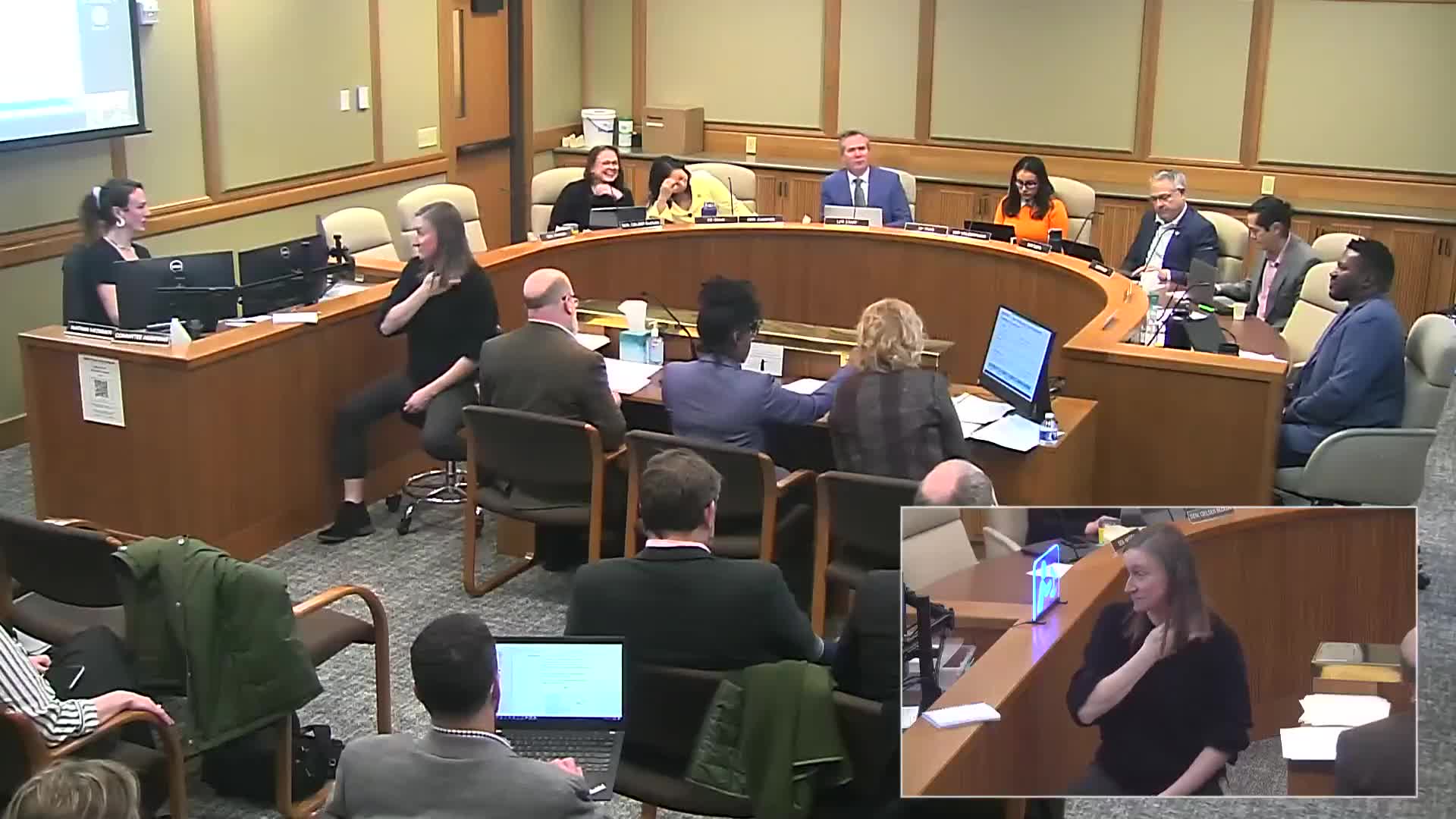
Oregon Health Authority officials told the Joint Subcommittee on Human Services on Feb. 5 that the governor's proposed budget includes funding requests to sustain and expand a state-run harm reduction clearinghouse that supplies naloxone and other harm reduction materials to community providers.
Krista Jones, the OHA deputy director responsible for service delivery, said the clearinghouse was created early in the COVID-19 pandemic to help community harm reduction partners distribute naloxone faster and at lower cost. "This package focuses on sustaining and expanding availability and distribution of harm reduction services and resources, including harm reduction supplies such as Naloxone to over 375 community partners, including tribal communities, schools and local organizations," Jones said. OHA also requested two additional staff positions to support operations, technical assistance and community engagement.
Jones told the committee the original proposal was for $30 million to fully fund the clearinghouse, but OHA has split the funding request and also requested support from the opioid settlement board. The agency said some clearinghouse costs were requested from the opioid settlement board in November.
During public testimony, Janie Gullickson of the Mental Health and Addiction Association of Oregon described how peer-run organizations use naloxone in the field and urged full support of behavioral health and Medicaid budgets. "The clearing house that provides Narcan ... our workers, our peer staff are providing Narcan and saving lives every day out there on the street," Gullickson said.
Representative Pham asked how opioid settlement funds and the clearinghouse relate to broader capacity issues such as bed shortages for treatment; OHA staff responded that naloxone and harm reduction are part of a continuum of care and that keeping people alive with naloxone can preserve opportunities for later engagement in treatment. "Having that harm reduction as a value ... helps keep people alive so that they can live another day to make that decision and to continue to build trust with the providers in the community," Jones said.
OHA told the committee it will continue to pursue a combination of state general fund and opioid settlement support to sustain the clearinghouse and asked legislative support for the operational positions and grant distributions needed to maintain the program.