Get Full Government Meeting Transcripts, Videos, & Alerts Forever!
Get email alerts on the Residential Capacity topic
No spam. Unsubscribe anytime.
OHA seeks expanded residential capacity, cites Mossman order and state hospital bottlenecks
Summary
Oregon Health Authority proposed policy option package 552 to expand residential behavioral health capacity statewide. Lawmakers questioned how the plan will relieve state hospital bottlenecks created by the Mossman order and asked for allocation criteria for rural and equity-focused needs.
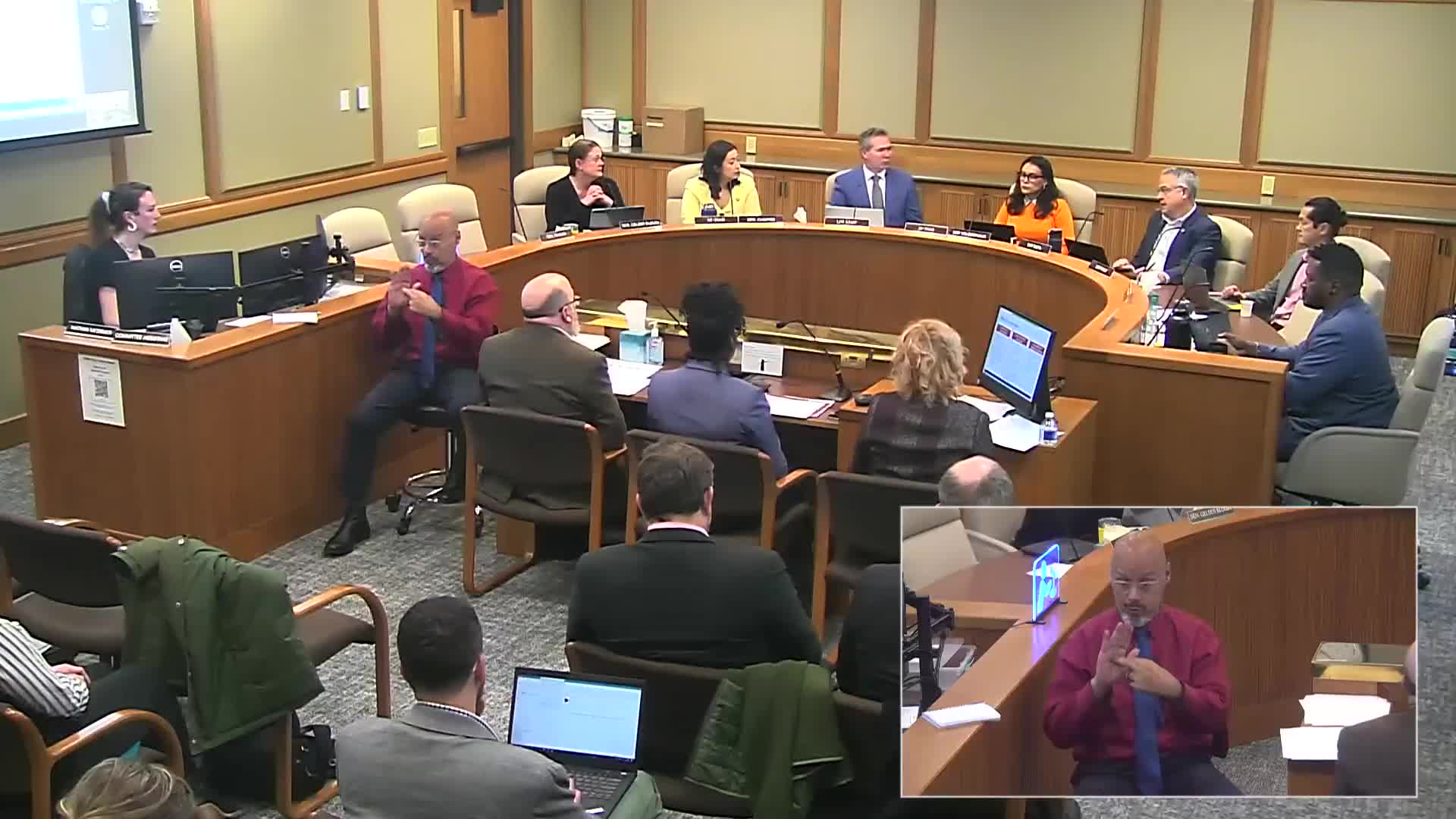
Oregon Health Authority officials told the Joint Subcommittee on Human Services on Feb. 5 that the governor's recommended budget includes a policy option package (POP 552) to expand residential behavioral health capacity and reduce wait times, particularly in rural, remote and coastal areas.
Representative Pam Teal and other lawmakers raised the Mossman court order and asked how the state intends to prevent the state hospital from becoming a bottleneck that forces patients through court-ordered timelines without adequate community supports. Representative Teal summarized the problem: the Mossman order creates a timeline for release and can push people out before sufficient supports are in place. "What is your plan to alleviate that situation?" she asked.
OHA described a multi-part approach: expand a range of residential options (for example, short-term residential treatment settings and recovery housing), prioritize facilities that can serve mandated populations, and stand up state-level capacity to coordinate transitions. "Part of our plan ... is we've created or we are establishing the ECMU, which then stands for the extended care management unit ... to really work and liaise between the state hospital, the counties and providers to really understand what those bottlenecks are and to assist in barrier busting," an OHA deputy director said.
OHA also said it will pair investments in buildings with workforce investments so that newly created capacity can be staffed. The agency referenced recommendations from a June 2024 residential study (cited in the presentation) and said allocation criteria will be developed with the governor's office to ensure regional needs and equity considerations inform which projects receive funds.
Lawmakers questioned whether widely distributed local residential centers would be more expensive or harder to staff than centralized facilities. Representative Deal said rural staffing and siting can be difficult; OHA acknowledged those concerns and said the intent is to create a menu of options and let regions refine recommendations for local needs. "We have to be able to have a menu of options, and we can't take a cookie-cutter approach," an OHA deputy director said.
The committee did not take final action on POP 552 during the hearing and asked OHA to provide additional written details about allocation criteria, cost estimates and how workforce planning will be coordinated with facility builds.