Get Full Government Meeting Transcripts, Videos, & Alerts Forever!
Get email alerts on the Earned Wage Access topic
No spam. Unsubscribe anytime.
Lawmakers debate earned‑wage access regulation as supporters tout consumer protections and critics warn of loan‑like risks
Summary
Senate Bill 481 would license earned‑wage access providers, ban interest and credit checks on EWA transactions, require clear disclosures and at least one free access option, and place licensing with DCBS; testimony split between industry proponents and consumer‑protection opponents.
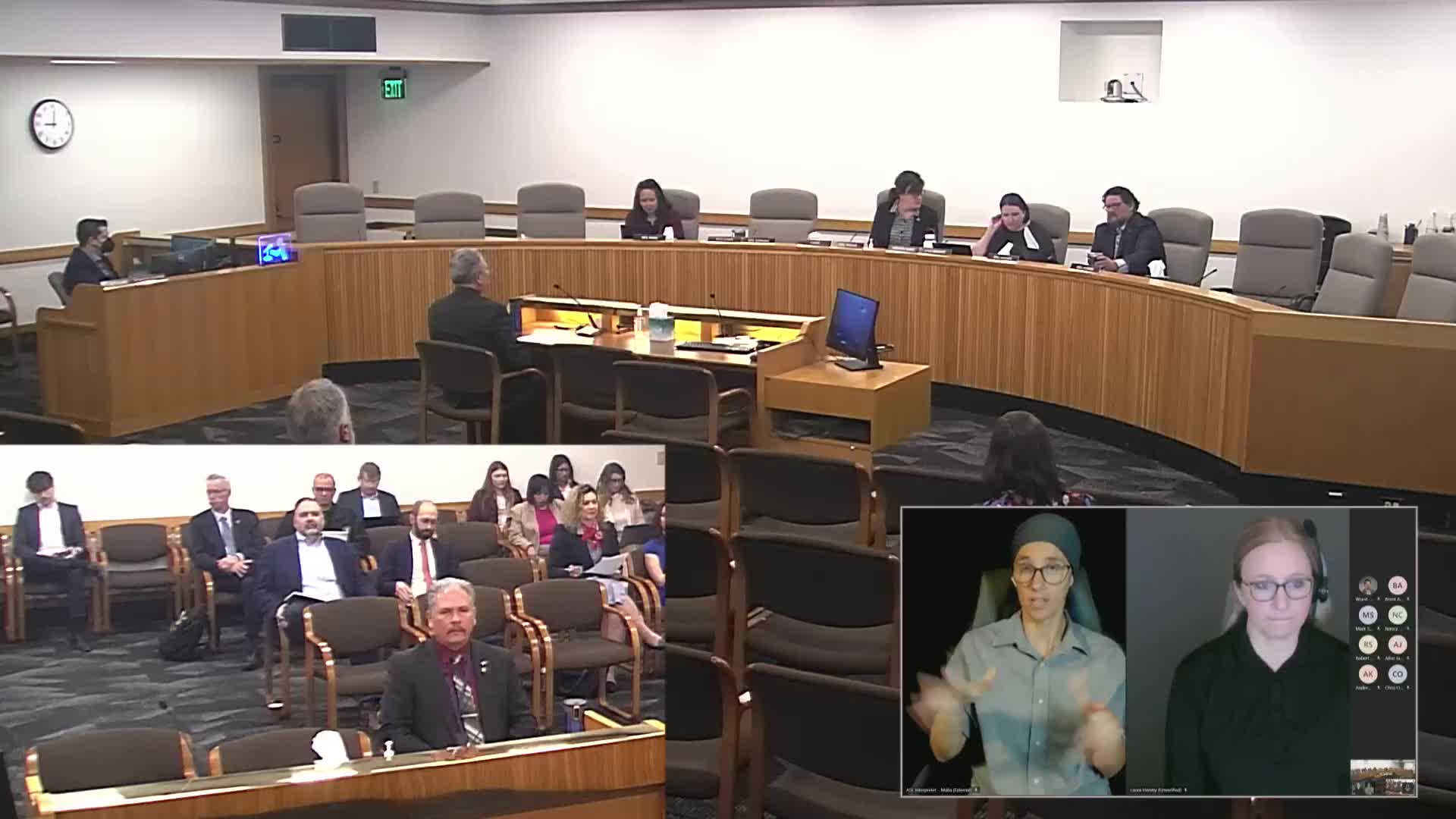
The Senate Committee on Labor and Business opened a public hearing Feb. 4 on Senate Bill 481, a sponsor‑led measure that would create a licensing and regulatory framework for earned‑wage access (EWA) services in Oregon and establish consumer protections.
Senator Mark Meek, sponsor of SB 481, told the committee the bill would not mandate EWA but would require providers to be licensed by the Department of Consumer and Business Services (DCBS) and would prohibit interest, late fees and penalties on EWA transactions, ban credit checks and credit reporting, and require clear disclosures and at least one free access option.
"Earned wage access allows workers to access wages they have already earned, providing an alternative to high cost financial options like payday loans," Meek said. He said the goal is to allow consumers access while preventing predatory practices.
Proponents including the American Fintech Council and EWA providers testified in support. Ashley Yersman of the American Fintech Council said the bill aligns with voluntary industry standards — a no‑cost option, clear fee disclosures and the ability to cancel service — and that AFC members have already served hundreds of thousands of U.S. workers. Sam Sadel, representing employer users of EWA, described how restaurant and health‑care workers use the service to cover gaps between pay periods and said Oregon employers and large institutions already rely on EWA.
Opponents, including Oregon Consumer Justice and national consumer‑protection advocates, urged caution. Chris Coughlin of Oregon Consumer Justice said the bill as drafted is an industry‑led approach that would exempt EWA from existing state lending laws, fail to require wage verification and leave consumers exposed to predatory fee structures and cycles of repeated borrowing. "We urge you to oppose this bill as introduced," Coughlin testified, and filed a written letter on the record describing detailed concerns.
National consumer advocates raised similar concerns. Andrew Kushner of the Center for Responsible Lending said EWA advances frequently come from third‑party FinTech companies (not the employer), are repaid with a fee and, on average nationally, users take many advances per year; he warned that without strong guardrails the product can behave like repeated short‑term credit. By contrast, one industry witness said key loan features — mandatory fees, interest, debt collection and recourse — do not exist in EWA models and that denying regulation would risk leaving consumers unprotected.
DCBS staff said the division would likely place licensing in the Division of Financial Regulation and noted rulemaking, fee‑setting and startup funding conversations would be necessary because DCBS programs are generally self‑funding.
The committee paused the hearing and carried SB 481 to the next scheduled meeting (Thursday) to allow additional witnesses and stakeholders to testify. Chair Taylor asked the sponsor to convene stakeholders and DCBS staff to clarify key distinctions and drafting details before the next hearing.
Ending: The hearing was left open and will resume Thursday with additional testimony and technical questions on whether and how EWA should be treated under state lending laws.