Get Full Government Meeting Transcripts, Videos, & Alerts Forever!
Get email alerts on the Asset Building topic
No spam. Unsubscribe anytime.
Committee hears public testimony on SB 465 to remove annual cap on IDA matching funds and replace with lifetime cap
Summary
Senate Bill 465 would remove the $6,000 per-year state matching cap for Individual Development Accounts (IDAs) and replace it with a $20,000 lifetime match (adjusted for inflation). Sponsors and community providers testified in favor; committee closed the public hearing without a vote.
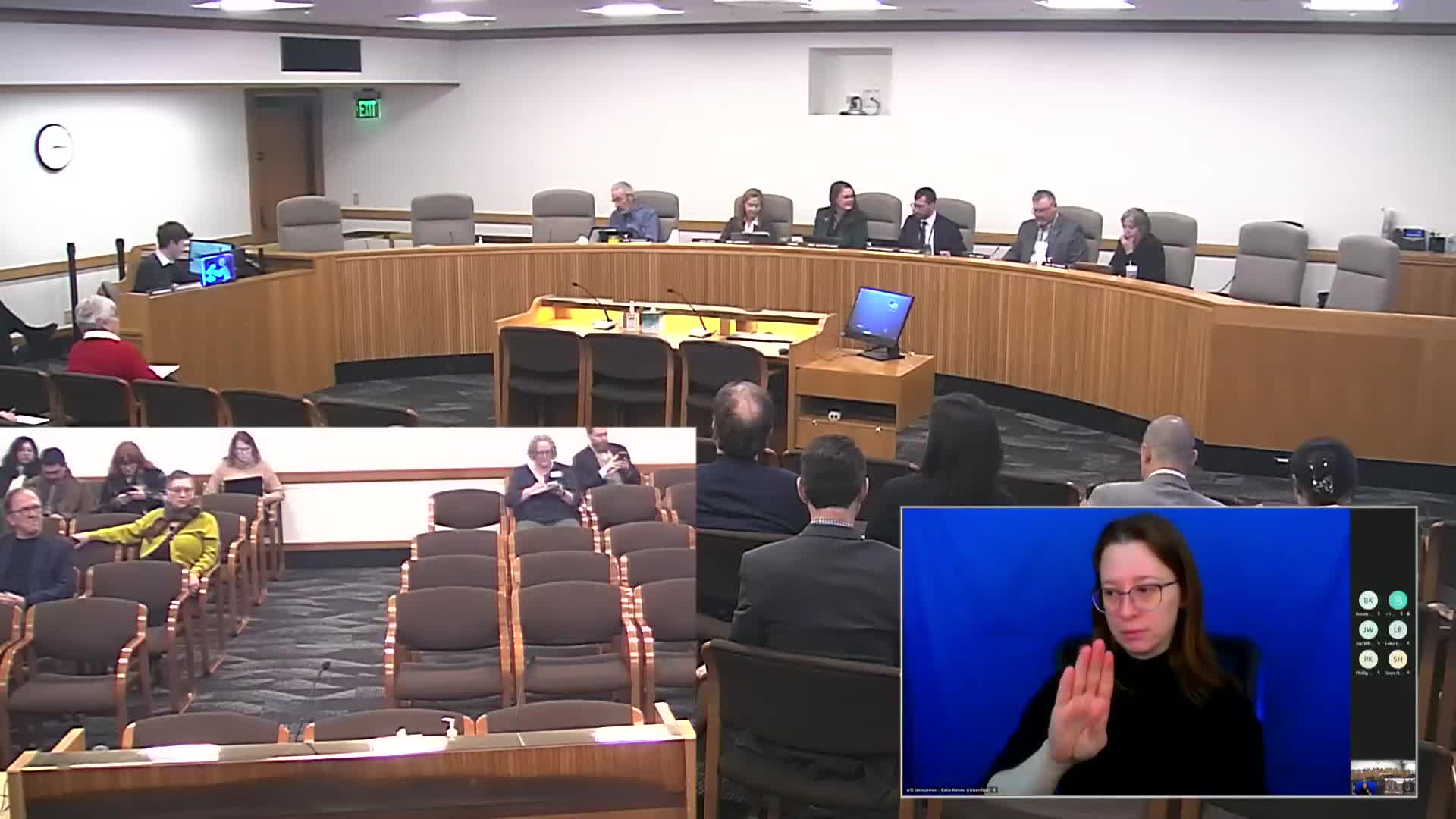
The Senate Committee on Human Services on Feb. 4 held a public hearing on Senate Bill 465, which would remove the current annual state matching limit of $6,000 for Individual Development Accounts (IDAs) and replace it with a $20,000 lifetime maximum, adjusted annually for inflation.
Senator Suzanne Weber (sponsor) and Representative Ricky Ruiz, the bill's co-sponsor, told the committee that the change would allow savers more flexibility to reach asset-building goals such as first-time homeownership, post-secondary education and small-business startup. Weber said the change "adds flexibility to the IDA program" and that removing the annual match limit helps savers buy assets more quickly.
Multiple IDA providers and program administrators testified in support. Gina Valencia of Habitat for Humanity of Oregon described her organization's IDA enrollment across seven counties and explained how the annual cap can delay needed repairs or purchases; Sven Hansen of the African American Alliance for Homeownership said the annual limit can force savers to wait 12–24 months for matching funds, delaying repairs such as roof replacement. Luke Bonham, program manager at Neighborhood Partnerships (the administrator of the Oregon ID initiative), provided program data: the initiative has served more than 19,000 lower-income Oregonians; combined providers have matched $72 million in state funds over the last 10 years against $29 million saved by participants. Bonham explained the bill does not change the total match available per saver, only the timing by removing the annual cap in statute.
Pam Levitt representing the Oregon Credit Unions also voiced support, citing credit union partnerships in IDA administration and their focus on financial education. The public hearing was then closed and the committee did not take a vote during this session.