Get Full Government Meeting Transcripts, Videos, & Alerts Forever!
Get email alerts on the Transient Lodging Privacy topic
No spam. Unsubscribe anytime.
Senate Judiciary Committee hears bill to ban recording guests in private spaces of transient lodging
Summary
Senate Bill 470 would bar transient lodging providers and their intermediaries from audio or video recording occupants in spaces where guests have a reasonable expectation of privacy (bedrooms, bathrooms, non-common interior spaces) and creates a private right of action under the Unlawful Trade Practices Act.
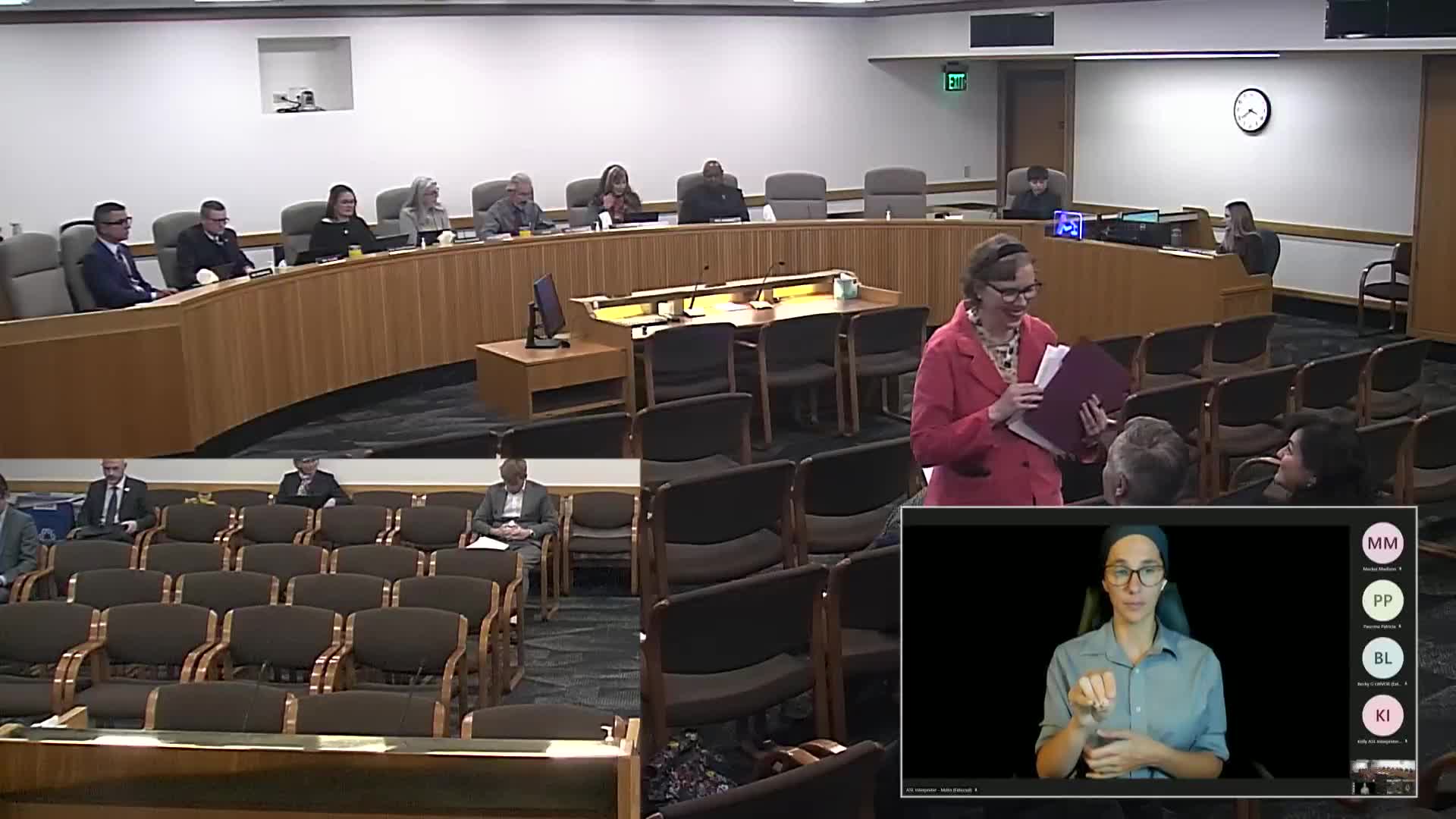
Chair Senator Floyd Prozanski, who introduced the measure, opened a public hearing Feb. 3 on Senate Bill 470, a proposal that would prohibit a transient lodging provider or intermediary from making audio or video recordings of an occupant in areas where the occupant has a reasonable expectation of privacy.
"Senate Bill 470 prohibits a transient lodging provider or intermediary from making audio or video recordings of an occupant in areas where the occupant has a reasonable expectation of privacy, including sleeping areas or bathroom space or any space that's not a common area," Tisha (committee staff) summarized for the record. The bill would provide remedies under the Unlawful Trade Practices Act, including a private right of action for an "ascertainable loss of money or property," and would take effect on the 91st day following adjournment, as commonly used for nonemergency measures.
Nut graf: Sponsors and supporters framed the bill as a response to reports of occupants discovering covert cameras in short-term rentals and similar lodging, while committee members raised technical questions about notice, live streaming versus recorded images, evidentiary burdens for plaintiffs and the relationship of the bill to existing tort or criminal remedies.
Rebecca Gladstone, speaking for the League of Women Voters of Oregon, testified in favor and said the League supports SB 470 based on its positions on personal privacy. "If you are staying in a motel, the folks there may not take an audio or video of you any place where you would expect privacy, and you can sue them if they do," Gladstone said.
Committee members pressed for clarifications. Senator Thatcher asked how renters became aware they were recorded; the chair and sponsor said a number of media-reported incidents involved renters discovering cameras. Senator McLean noted U.S. Supreme Court precedent recognizing an expectation of privacy in the home and asked whether the bill would leave ambiguity about spaces such as a shared kitchen; the sponsor said the bill focuses on interior spaces that are not common areas and that bedrooms and bathrooms are clearly intended to be protected.
Questions included whether live streaming (no persistent recording) would be covered; sponsor and committee staff said they would look at the language to ensure live observation is captured. Senators also discussed scenarios in which property owners install cameras but do not record or activate them while a unit is rented, and whether visible cameras with notice or a posted warning would create a safe harbor; the bill as introduced does not create a notice-and-signage safe harbor, and senators suggested that could be an amendment topic.
The bill drew policy and enforcement questions about whether existing criminal or tort remedies cover the conduct and whether adding a private cause of action under the Unlawful Trade Practices Act is the appropriate statutory vehicle. Committee staff said they did not find appellate decisions directly on point in their initial review but could not search full trial-court records during the hearing.
Ending: The public hearing record closed after extended questions; senators suggested follow-up work on language to address live streaming, notice, and evidentiary standards. No committee vote was taken on SB 470 during the Feb. 3 session.