Get Full Government Meeting Transcripts, Videos, & Alerts Forever!
Get email alerts on the Education topic
No spam. Unsubscribe anytime.
Bill to broaden referrals for talented-and-gifted screening draws mixed response
Summary
Senate Bill 934 would require districts to accept recommendations for TAG screening from any person who knows a child and to provide screening throughout the school year; proponents said it reduces barriers, while educator and administrator groups warned it could increase testing and cost without clearer parameters or funding.
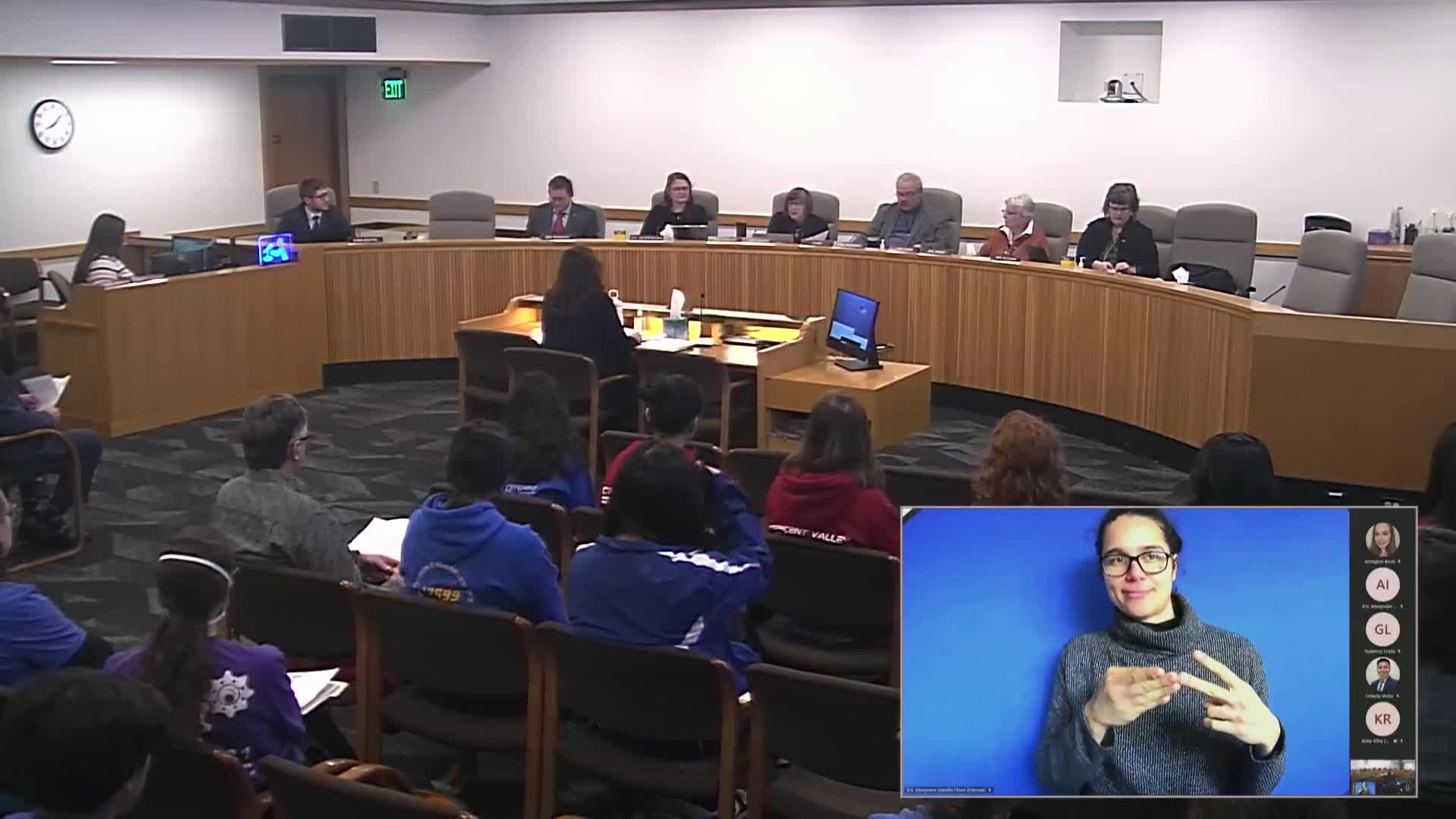
Sen. Kathleen Taylor, State Senator for District 21, said Senate Bill 934 would change district identification procedures for talented and gifted (TAG) children by allowing "any person who knows a child" to recommend screening and by requiring districts to provide screening when a recommendation is made.
"This bill will allow anyone who knows a child to recommend them for the talented and gifted screening and require school districts to inform parents on the recommendation process," Taylor told the committee, adding proponents view broadening recommendations as a way to reduce barriers that keep low-income and disadvantaged students from being identified.
Margaret DeLacy, president of the Oregon Association for Talented and Gifted, said universal or broader assessment is a recognized best practice and that the bill largely codifies existing practices. She told the committee that in most districts referrals already proceed to a trained team that determines identification and that the bill is intended to reduce administrative gatekeeping that can block referrals.
Cynthia Branger Munoz, representing the Oregon Education Association (OEA), opposed SB 934 on grounds it would "dramatically increase testing" by requiring districts to screen every student for TAG whenever a recommendation is received. The OEA urged rejection, saying the bill would add assessment workload and erode efforts to limit overtesting.
Stacy Michaelson of the Oregon School Boards Association and Morgan Allen of the Coalition of Oregon School Administrators both said they support clear communication of identification processes to families but raised concerns about the bill’s open-ended language. Michaelson said the bill as written lacks "parameters on the context in which this person knows the child" and described a risk the bill could require repeated screenings "every time a recommendation comes in." Allen recommended professional development and administrative-rule review as alternatives and noted recent revisions to the ODE administrative rule on TAG identification.
Committee members asked proponents and district representatives questions about current practice, prevalence of teacher-only referral policies and fiscal impact. DeLacy said she knew of only one district that required a teacher sign-off for referrals and said most districts already have identification plans; she said much of the data exists but is not compiled centrally.
Several senators said they were sympathetic to students who lack pathways into TAG services; others emphasized concerns about adding unfunded mandates to district workloads. No formal action on SB 934 was taken at the hearing.
If the committee advances the bill, testimony indicated sponsors and stakeholders expect to negotiate implementation details such as limits on repeat screenings, timelines for referrals, and guidance for districts to avoid undue administrative burden.