Get Full Government Meeting Transcripts, Videos, & Alerts Forever!
Get email alerts on the Transportation topic
No spam. Unsubscribe anytime.
Residents ask Morgan County commissioners to press state over I-22 bypass lights
Summary
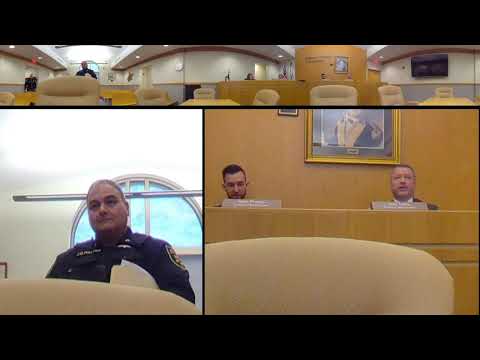
At a Morgan County Commission meeting, resident Jim Bailey urged commissioners to press the state Department of Highways for answers after bright, overnight highway lighting from the I-22 bypass illuminates nearby yards; commissioners say they lack direct authority but will relay constituents' concerns to state officials.
Jim Bailey, a Fairfax-area resident, told the Morgan County Commission that bright lights installed along the new I-22 bypass are shining into nearby yards all night and that the state Department of Highways (DOH) has not responded to repeated resident requests for changes.
Bailey said he and neighbors, including Mark Bar Finkel, have sent letters, pursued a FOIA request and received little or no reply. “These lights light up their yards like a football stadium,” Bailey said during public comment, adding that some residents have installed blackout curtains and one elderly neighbor has developed insomnia.
Commission members who heard Bailey said the county does not control state highway construction or maintenance but pledged to help get residents a response. “The county commission since the 1930s have had absolutely nothing to do with road maintenance, road construction, or any of those types of things,” one commissioner said, adding that the commission could serve as a liaison to state officials and elected representatives. That same commissioner said he had typed, but not yet sent, a response to Bailey and planned to follow up.
Commissioners and others on the dais reported limited state action so far: some light fixtures have had small shields added and engineers remain involved with the project’s designer, referenced in the meeting as D. Smith. One commissioner said the state had installed “some additional shields” and suggested the DOH might be working with its designer to address light spill; he also said new standards require a certain lumen level at the roadway surface. “What doesn't make sense to me is that if you're 200 feet away from the road, why does it still have to be so bright?” a commissioner asked at the meeting.
Commission members suggested routing constituent concerns through state elected officials named in Bailey’s letter — including Senator Tom Willis, Senator Thorne (referenced), Delegate George Miller and Delegate David Cannon — and noted the DOH region covering the project serves multiple counties and faces staffing and contractor turnover on major projects. Commissioners referenced the bypass as a “$120-plus million project” and said consultant and staffing changes may slow state responses.
Bailey asked the commission to “rattle the cage a little bit” and urge the DOH to explain the design choices and share any applicable standards. Commissioners agreed to include the state elected officials copied on Bailey’s letter in follow-up communications and to seek DOH documentation and any design standards that govern roadway luminance and shielding. The commission also directed staff to point residents to the DOH online submission form (referred to in the meeting as “SWAT”) for urgent roadway repairs such as potholes, while they pursue legislative contacts for the lighting concerns.
Why it matters: Residents living nearest the new bypass say persistent light spill affects sleep and quality of life; the county lacks direct authority over state highways but can press the DOH and local state legislators for explanations or modifications.
Ending: Commissioners asked Bailey to share copies of any letters and FOIA requests he has submitted; they said they would include the named state legislators in follow-up emails and request the DOH provide any standards or responses it has on record.