Get Full Government Meeting Transcripts, Videos, & Alerts Forever!
Get email alerts on the Public Participation Phone Calls topic
No spam. Unsubscribe anytime.
School board votes to end phone‑in public comments after fiscal year amid debate over access and cost
Summary
The Alachua County School Board voted to phase out live phone‑in public comments, setting a July 1 sunset date after discussion about cost, technical reliability and accessibility for parents who cannot attend in person.
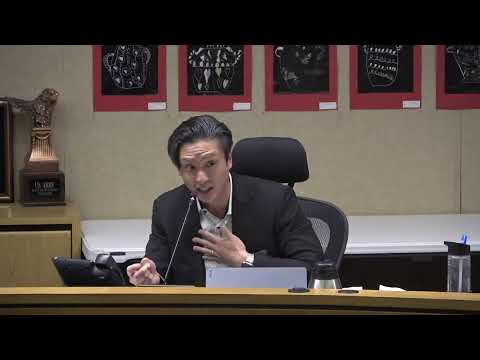
The Alachua County School Board voted Feb. 4 to sunset live phone‑in public comments on July 1, 2025, after an extended discussion about the cost and use of the phone system and what alternatives would preserve public access.
Board members voted 4‑0 to phase out the system at the end of the fiscal year, but a tied amendment and subsequent statements made clear the sunset is contingent on staff developing alternate procedures to ensure that citizens who cannot attend in person still have a method to place comments into the public record.
Board members and speakers debated two main concerns: cost and accessibility. District technology staff and board advisors previously estimated the phone system cost at roughly $4,000–$7,000 annually and about $400–$500 per meeting night when phone usage was higher. Board member Ms. Certain said technical problems—dropped calls and lag—have made the system unreliable.
Supporters of ending phone calls argued email, the board’s shared email address and in‑person attendance are available alternatives. Opponents said phone access remains essential for working parents, caregivers and community members who cannot make evening meetings. Several callers from the public urged the board to retain phone access; one caller, Tina Dave, said she could not attend meetings in person because of childcare obligations.
Attorney Mr. Delaney told the board that public comment is a one‑way communication channel under Florida law and cautioned that not every type of public comment could be operationally turned into a board action. He advised the board that concerns that require staff follow‑up are typically forwarded through the superintendent for response and that, where appropriate, a board member can bring an email or comment forward for discussion or as an agenda item.
Before the vote, some trustees proposed a delayed sunset to give the superintendent and staff time to operationalize a replacement system. The board adopted an amendment to set the sunset on July 1 and asked staff to develop procedures so callers who cannot attend in person continue to have an avenue for their remarks to be received and tracked.
The board chair noted that the board email address and the superintendent’s office are options for submitting comments and asked staff to provide clearer instructions to the public about how to engage. The board also discussed making it easier for board members and staff to see and track constituent emails so follow‑up is more consistent.
The vote means phone‑in public comment will continue through the end of the district’s fiscal year and then end unless staff implements an agreed alternative that meets the board’s accessibility aims.
The board did not cut off other public‑comment avenues; watchers and callers were reminded the board monitors email for feedback and that in‑person comment remains available at meetings.
The action followed a lengthy public‑comment period in which many teachers and parents expressed frustration about district decisions on pay and other matters; several callers said telephone access had allowed them to participate while juggling work and family responsibilities.