Get Full Government Meeting Transcripts, Videos, & Alerts Forever!
Get email alerts on the School Based Health Centers topic
No spam. Unsubscribe anytime.
House hears broad support for HB 2729 to expand and fund school-based health centers
Summary
House Education heard testimony in favor of House Bill 2729, which would establish minimum grants and planning funds for school-based health centers (SBHCs), study mental-health reimbursement, authorize lottery bonds and appropriate state funds to the Oregon Health Authority to expand SBHC services.
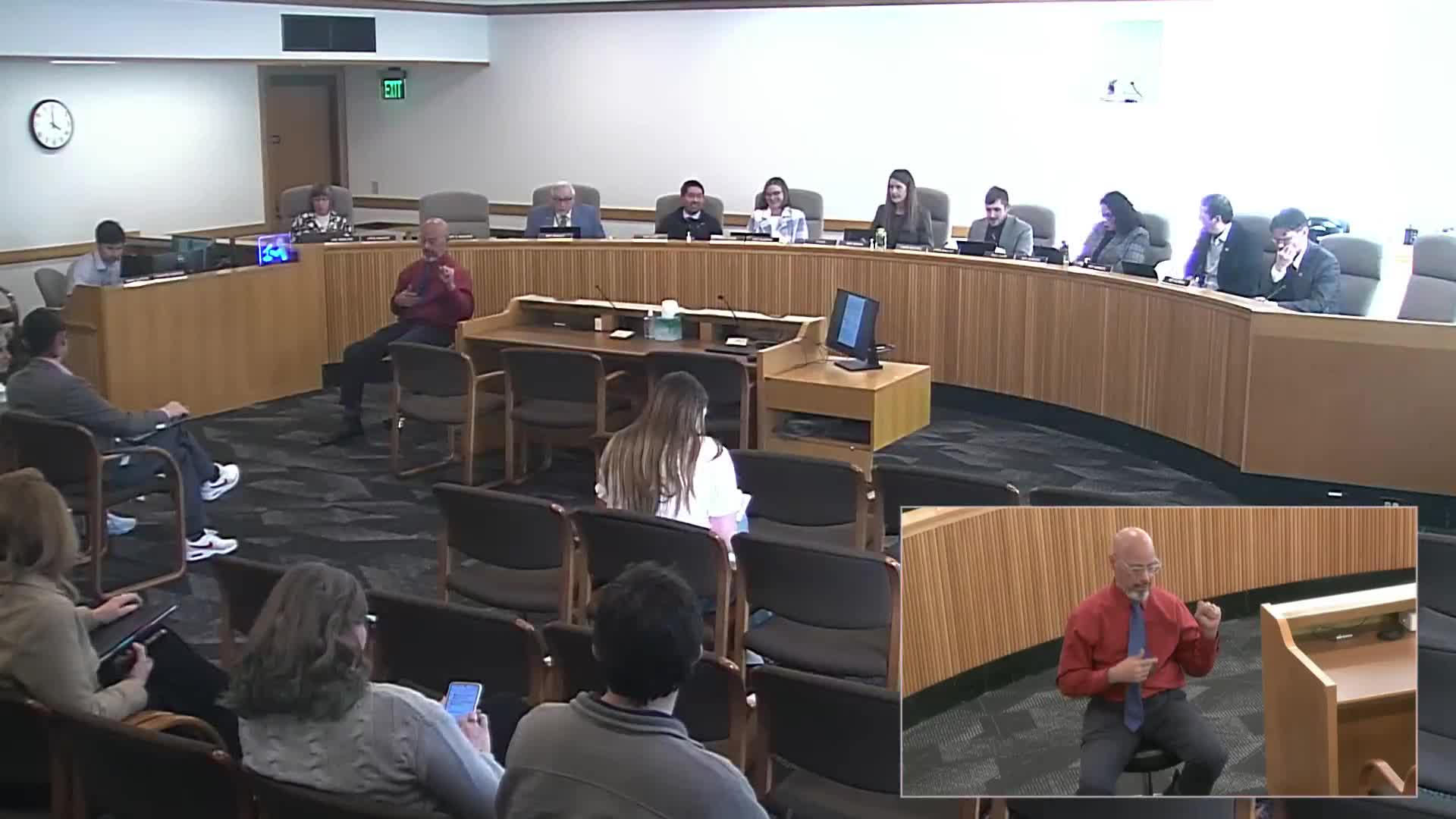
The House Education Committee on Feb. 5 heard broad testimony supporting House Bill 2729, legislation to strengthen school-based health centers (SBHCs) across Oregon by establishing minimum grant awards, funding planning and technical assistance, supporting mental-health and substance-use services in schools, studying reimbursement rates, and authorizing the Oregon Treasurer to issue lottery bonds to finance the initiative.
Why it matters: Witnesses and lawmakers emphasized that SBHCs provide primary care, behavioral health and often dental services on school sites, reduce barriers such as transportation and cost, and can particularly serve students in rural and provider-shortage areas. Supporters said investing in SBHCs improves access, reduces absenteeism and supports academic outcomes.
Testimony highlights: Representative Hai Pham framed statewide need and cited OHA data showing many SBHCs are located in primary care shortage areas. Senator Janine Salomon and Senator Lisa Reynolds, both testifying in support, emphasized the youth mental health crisis and the role of SBHCs. Justin Birmingham of Reynolds School District described concrete usage at Reynolds High School—932 unique clients served in a school population of about 2,500 last year—and argued investment in SBHCs is an efficient use of public funds. Kristen Nicolescu, a clinician who directs SBHC services for a federally qualified health center, gave front-line examples of the centers’ role in follow-up care, crisis response and suicide-prevention supports, and noted current state grant funding (approx. $250,000 cited in testimony) does not fully cover operating costs.
Funding details in the bill: Testimony described HB 2729 as providing planning grants, inflationary increases to base funding for SBHCs (testimony referenced a $10,000 base increase per SBHC), grants for mental-health and substance-use prevention and directing OHA to study reimbursement opportunities and award grants without drawing from school funds. The bill also would authorize lottery bonds to support implementation; the committee heard proposals that funding would expand access especially in rural and underserved communities.
Committee action: The hearing was informational; no committee vote was taken. Several committee members noted the breadth of support and requested any written materials be submitted to the record.
What's next: The committee will consider submitted testimony and fiscal analyses as it determines whether to advance the bill to a work session and subsequent committee actions.