Get Full Government Meeting Transcripts, Videos, & Alerts Forever!
Get email alerts on the Liquor Regulation Enforcement topic
No spam. Unsubscribe anytime.
Liquor agents ask to be classified as licensees in HB 2121 to standardize enforcement
Summary
Liquor store owners told the House committee that HB 2121 would clarify that contract liquor agents are "licensees" so enforcement, inspections and penalties are consistent with other sellers of alcoholic beverages.
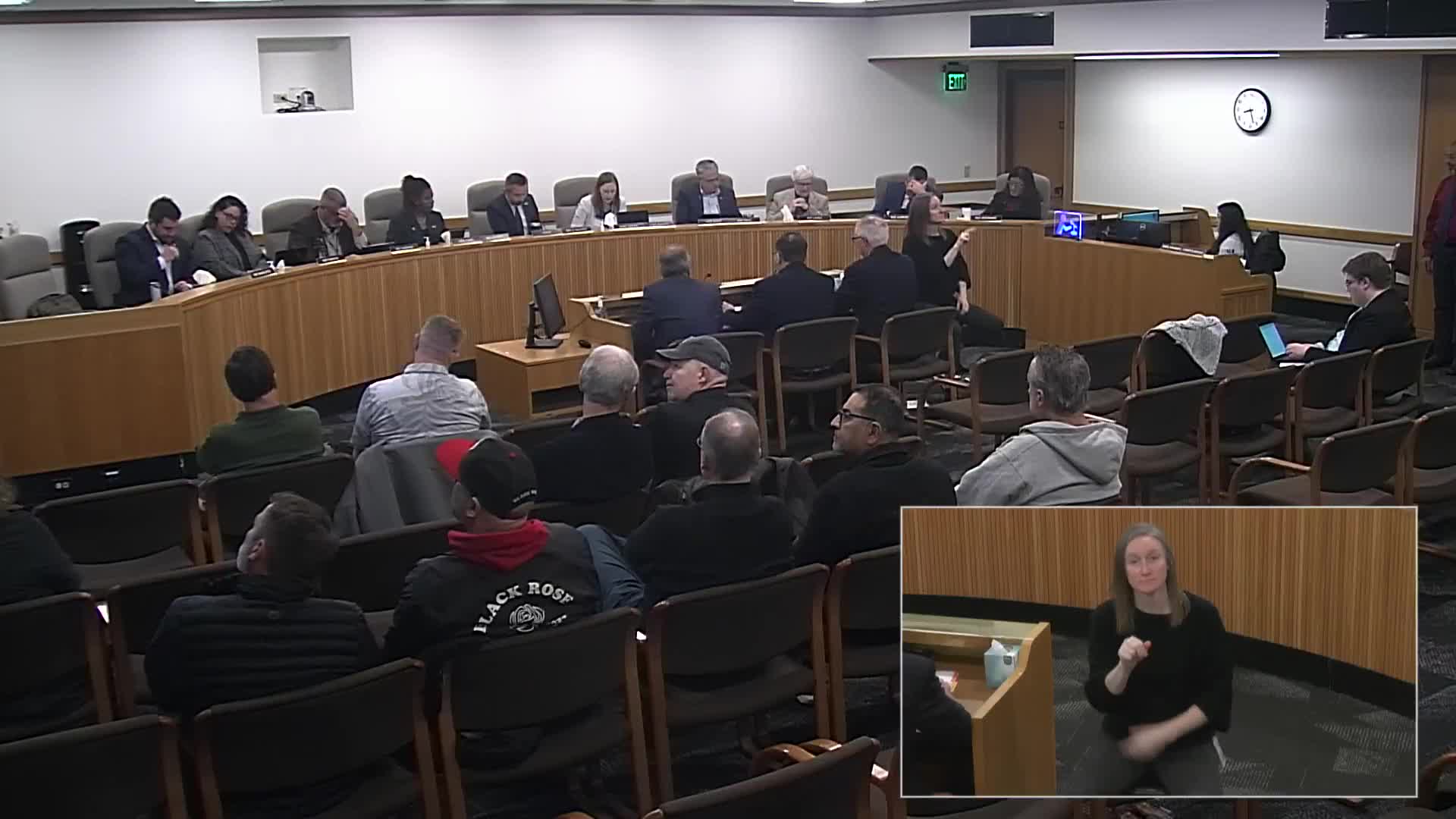
Owners of Oregon contract liquor stores testified Feb. 5 that House Bill 2121 should reclassify liquor agents as "licensees" to ensure consistent enforcement and compliance treatment under Oregon law.
Oliver Coker, president of the Associated Liquor Stores of Oregon, told the committee that liquor agents operate under contract with the Oregon Liquor and Cannabis Commission and must follow the Retail Operations Manual (ROM), but the current status produces "gray area" for enforcement when stores also sell beer and wine. Coker said that in recent instances OLCC enforcement officers conducted visits at closing time, sought employment records, or otherwise acted in ways liquor agents found unprecedented.
Coker summarized the bill’s purpose: "House Bill 2,121 aims to level the playing field by classifying liquor agents as licensees, ensuring consistent treatment across all entities that sell alcoholic beverages." He emphasized that agents are not seeking a separate or duplicate license but rather statutory clarity so inspectors and enforcement processes match those applied to off-premise licensees.
Committee members pressed witnesses on intended effects and potential unintended consequences, including whether classification as licensees would conflict with existing contractual obligations to OLCC. Witnesses said the bill is intended to be a wording clarification for compliance and guidance, not to eliminate contract obligations. Representatives asked whether rulemaking and renewed training for inspectors might address concerns without legislative change; witnesses said they would welcome cooperative rulemaking and training if it delivered consistent enforcement and reasonable penalties.
Craig Prins, executive director of the Oregon Liquor and Cannabis Commission, answered committee questions. He provided a compliance statistic: OLCC’s compliance rate for liquor stores was 68% in 2024, and he said cannabis retailers have a higher compliance rate (about 90% in the period cited). Prins said OLCC has been working to raise compliance and that training and enforcement practices are part of that work.
No formal committee action was recorded on HB 2121 during the public hearing; members suggested additional discussions with OLCC and stakeholders to refine whether the issue could be addressed by rule changes, training, or statute.
Why it matters: Witnesses said contract liquor agents face different penalties and risk (including potential jeopardy to their contract) compared with other licensees for the same infractions, and they asked for statutory clarity to avoid disparate enforcement outcomes.