Get Full Government Meeting Transcripts, Videos, & Alerts Forever!
Manufacturers urge restoration of immediate R&D and expensing to retain U.S. competitiveness
Summary
Manufacturing owners said at the Ways and Means hearing that immediate expensing for R&D and full expensing of equipment purchases encouraged investment and hiring after 2017. Witnesses said those incentives boosted productivity and apprenticeships; several warned that the lapse of R&D expensing has slowed investment and could cede advantage to
Manufacturing witnesses told the House Ways and Means Committee that immediate expensing and other TCJA incentives were important drivers of investment and hiring in U.S. factories, and asked Congress to restore or make permanent those provisions to retain competitiveness against foreign jurisdictions.
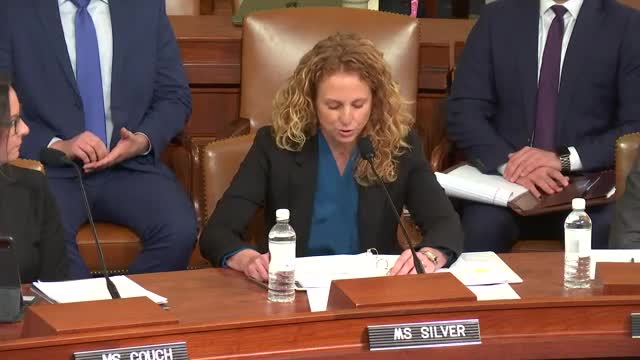
Courtney Silver, owner of a…
Already have an account? Log in
Subscribe to keep reading
Unlock the rest of this article — and every article on Citizen Portal.
- Unlimited articles
- AI-powered breakdowns of topics, speakers, decisions, and budgets
- Instant alerts when your location has a new meeting
- Follow topics and more locations
- 1,000 AI Insights / month, plus AI Chat