Get Full Government Meeting Transcripts, Videos, & Alerts Forever!
Get email alerts on the Small Business topic
No spam. Unsubscribe anytime.
Small‑business owners, accountants urge Congress to keep 199A and expensing as deadline looms
Summary
Accountants, small‑business owners and manufacturers told the Ways and Means Committee that the 20% qualified business income deduction and expensing rules are central to hiring and investment decisions, and urged Congress to avoid abrupt expirations.
Small‑business owners, accountants and manufacturing executives testified that the section 199A pass‑through deduction and TCJA expensing rules have been important to investment, payroll and succession planning.
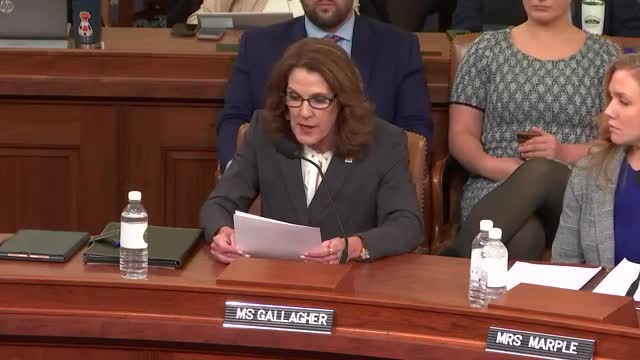
Michelle Gallagher, a CPA who works with family businesses and farms, told the committee her phone had been “ringing off the hook” with clients seeking scenarios and forecasts and said “permanency, certainty and predictability is key for our small businesses and farmers.” Lisonbee Couch, who runs an accounting firm serving more than 200 small clients, told members the 20% deduction “has been the single most beneficial tax deduction for small business owners,” and that many clients would face higher effective rates if the provision expires.
Courtney Silver, owner of a third‑generation precision machine shop, described capital‑purchase decisions delayed after key TCJA provisions lapsed. “I’ve put that capital equipment purchase on hold,” she said, adding that immediate expensing changed return‑on‑investment calculations and helped provide raises and bonuses in earlier years.
Members raised the downsides and trade‑offs. Democrats said the distribution of 199A benefits favors higher‑income pass‑through owners and that any extension should be targeted; witnesses and Republican members emphasized the strong local economic role of pass‑throughs and the precariousness of family businesses that hold illiquid assets and payroll obligations.
The committee also heard technical concerns about compliance burdens and impending 1099 reporting changes (discussed in a separate article). No vote took place; members asked staff to prepare options including permanent extension, partial targeting and revenue offsets.