Get Full Government Meeting Transcripts, Videos, & Alerts Forever!
Get email alerts on the Remote Testimony topic
No spam. Unsubscribe anytime.
Committee reviews bill to shorten notice and clarify tech access for remote testimony in civil cases
Summary
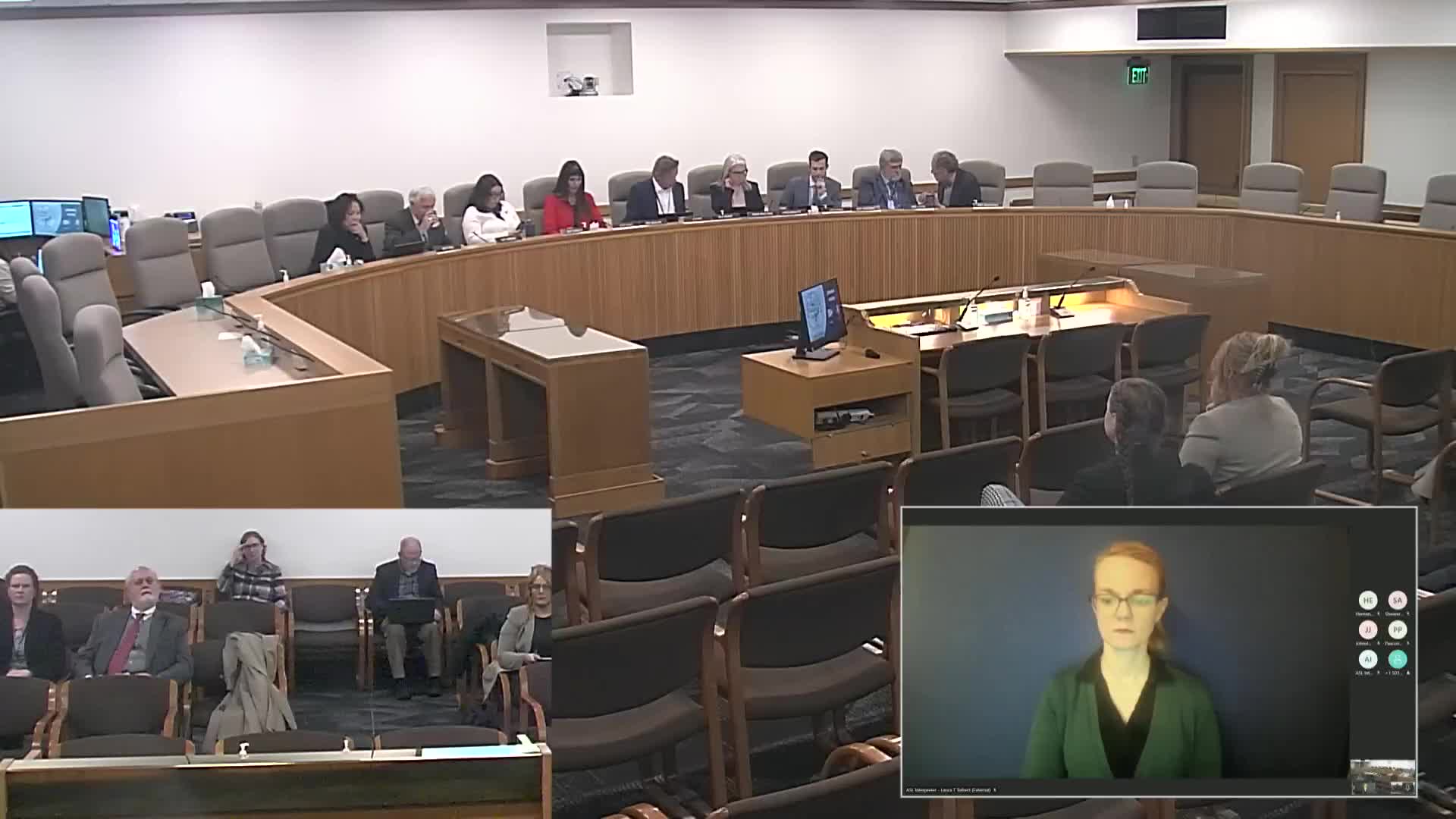
A House Judiciary public hearing on House Bill 2,461 considered removing a fixed 30‑day notice for requests to allow remote testimony in civil cases and adding a specific prejudice factor about whether reliable technology or facilities are available for all participants.
House Committee on Judiciary members on the record discussed House Bill 2,461, a measure that would replace a fixed 30‑day advance‑notice requirement for requests to testify remotely in civil cases with a case‑by‑case “sufficiently in advance” standard and add specificity to the prejudice factor about whether reliable facilities or technology are readily available to the court, counsel, parties and witnesses.
Supporters told the committee the change would preserve parties’ opportunity to challenge a remote‑testimony request while reducing a burdensome statutory deadline. "The rule was 30 days advance notice. In some of our summary cases, you don't have 30 days. And in, all cases, 30 days is unnecessarily long and burdensome," said Mark Peterson, executive director of the Council on Court Procedures. Kimberly McCullough, senior counsel for government relations at the Oregon Judicial Department, said the bill will increase access and reduce costs associated with travel and time off work.
The bill would let courts evaluate remote‑testimony requests on a flexible timetable that accounts for local resources and evolving technology. Peterson told the committee that the Council on Court Procedures amended Rule 39 and Rule 57 to allow more remote processes after lessons learned during the COVID‑19 pandemic, but those rules remain constrained by the statutory 30‑day notice requirement. "We simply say you make the motion, and give the other side an adequate time, which will be on a case by case basis, to look at the criteria that supports the motion for remote testimony and those criteria that may prejudice one side or the other," Peterson said.
Oregon Judicial Department testimony emphasized access and safety benefits: "Remote testimony in civil cases has several advantages. Parties and witnesses save costs associated with travel, time off from work, childcare, and attorney's fees," McCullough said, adding that remote testimony can improve access for people with disabilities and increase safety for victims.
Members asked how the proposed standard would work in practice. Vice Chair Wallen confirmed that the statutory criteria already allow a party to contest remote testimony on credibility grounds; McCullough said the statute permits the opposing side to challenge requests and that some hearings (for example, Family Abuse Prevention Act matters) include additional criteria reflecting safety concerns.
Several lawmakers expressed support while urging attention to predictability. "I appreciate the flexibility, but I'm also interested in predictability," said Chair Cropp, noting that differences among counties' courthouse size and technology could yield uneven access unless courts adopt consistent practices.
No formal action or vote occurred during the public hearing. Testimony came from court representatives and the Oregon Judicial Department; the Oregon State Bar was represented on the bill as part of its law improvement package, according to witnesses. The committee closed the public hearing and moved on to the next item on the agenda.
Proponents and committee members flagged related materials and rule language for continued review, including two court rules amended by the Council on Court Procedures, related statutory references to the Family Abuse Prevention Act, and a chief justice administrative order noted in testimony.