Get Full Government Meeting Transcripts, Videos, & Alerts Forever!
Get email alerts on the Ombudsman Oversight Long Term Care topic
No spam. Unsubscribe anytime.
Oregon ombuds offices brief committee on oversight, volunteer programs and a fatal memory-care case
Summary
Long-term care, residential facility and foster-care ombudsmen described their investigative authority, volunteer programs, staffing shortfalls and recommendations after a December death at Mount Hood Senior Living, and urged audits and legislative follow-up.
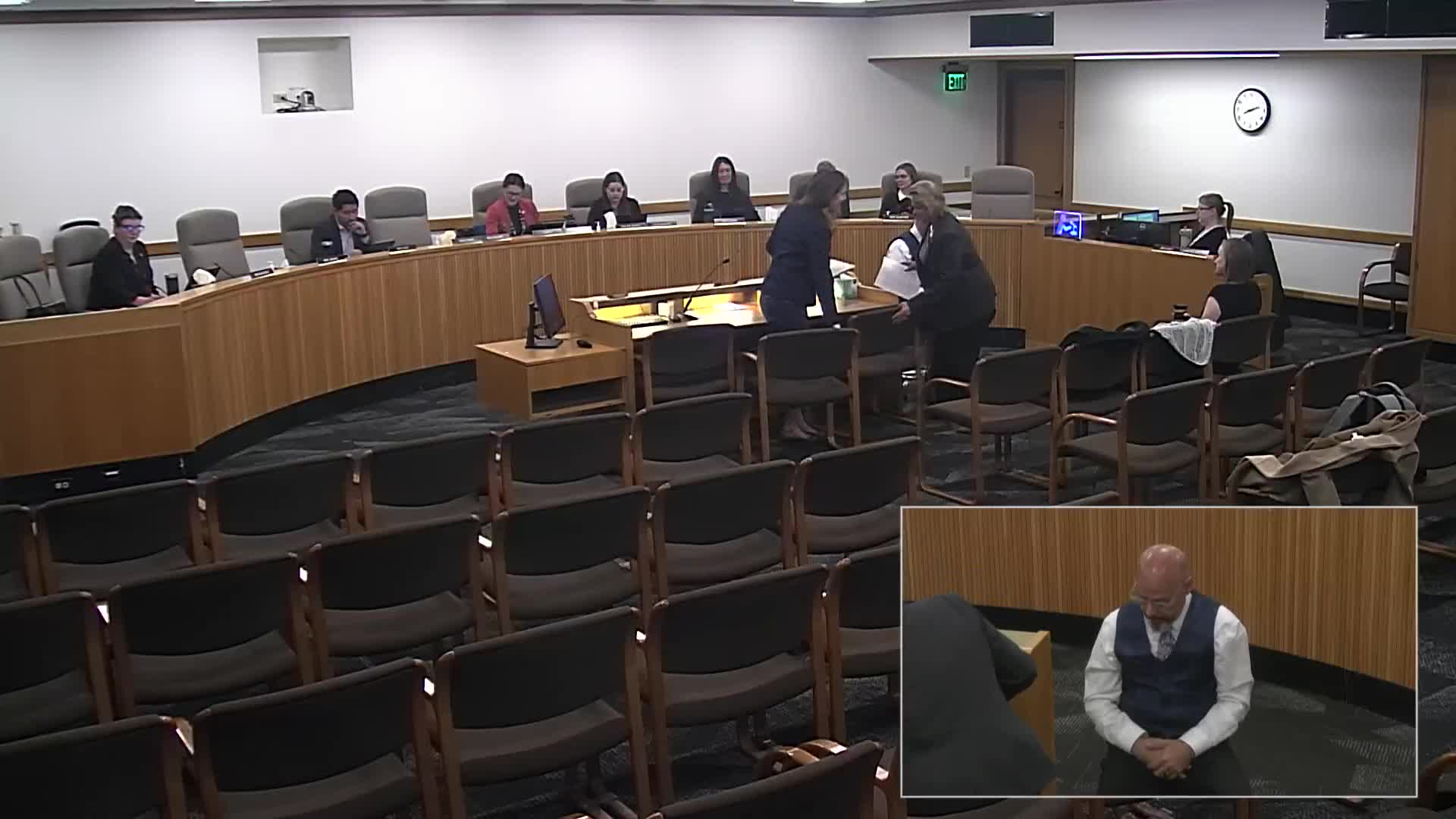
Representatives of three ombuds offices — the Office of the Long Term Care Ombudsman, the Residential Facility Ombudsman, and the Foster Care Ombudsman — briefed the House Committee on Early Childhood and Human Services Tuesday on their oversight roles, investigatory authority, volunteer programs and areas where they seek system changes.
Fred Steele, Oregon’s state Long Term Care Ombudsman and director of the Office of the Long Term Care Ombudsman, described the office’s independence and investigatory powers under state and federal law and said the office can bring legislative proposals directly to lawmakers when necessary. “We can and we do” take positions on bills affecting residents, Steele said, adding the office tries to coordinate with the governor’s office but may act without its approval when residents’ interests require it.
Steele told the committee the office and related programs together serve roughly 55,000 Oregonians and rely heavily on volunteers: about 120 volunteers who complete a six-day training and ongoing continuing-education requirements, supported by roughly 10 deputy ombudsman who operate across regions. He said volunteers are typically assigned to one or two facilities and that the program can currently assign volunteers to about 32% of congregate care settings.
Steele described a December incident at Mount Hood Senior Living (Sandy) in which a recently admitted memory-care resident left an unsecured door and was found deceased about a half mile from the facility. He told lawmakers the facility had been licensed for only about nine or ten months and that the licensed administrator had been changed three times; staff training and background checks appeared deficient. Steele said Department of Human Services licensing units took about four weeks to enter the facility, and later the department closed it. He said the ombudsman’s office called for an independent program assessment (audit) of the regulatory system; the governor convened a panel that is conducting what Steele described as a program assessment, and Senate Bill 739 was drafted to act on recommendations that can be moved quickly.
Leslie Sutton, residential facility ombudsman, outlined her office’s caseload and staffing. The Residential Facility Ombudsman covers roughly 3,219 licensed homes and foster homes across Oregon and estimates 11,268 Oregonians in the facilities the office visits (about 87% in developmental disability group homes, 13% in mental-health licensed facilities). Sutton said her office was created in 2013 but has seen a 48% increase in people served and a 77% increase in the number of facilities since then; case volume rose by about 829% since 2016. Staffing has not increased commensurately: Sutton said the office remains the residential facility ombudsman plus five deputy ombudsman (with some job-rotation deputies and program coordinator support) and five volunteers, the same structure she said existed in 2013.
Sutton described how cases originate — 26% from people previously supported by the office, 22% from unannounced visits, 27% referred by case managers and 25% from community partners — and listed top issues including choice of residence, move-out notices, and ensuring providers have resources to support people to remain in their homes. She said deputies cover between about 175 and 895 homes depending on region and that rural travel demands affect coverage.
Alexis Amarelli, the foster care ombudsman housed in the governor’s advocacy office at DHS, described responsibilities that include operating a 24/7 youth empowerment and safety line, receiving and investigating complaints, access to confidential child-welfare data for investigations, and quarterly reporting of trends to the DHS director and governor’s office. Amarelli noted the Foster Children’s Bill of Rights and the Sibling Bill of Rights require that the rights be provided to youth in placement and reviewed annually; she said the office investigated 299 foster-care-related complaints in 2024. Amarelli also said her office is a single-person position covering the state and invited legislators to join an advisory committee that meets quarterly.
Committee members asked questions about the ombuds offices’ authority to propose legislation, interactions with DHS licensing and budget processes, volunteer recruitment and supervision, response times, and housing pressures for youth and adults in licensed settings. Steele reiterated that the long-term care ombudsman has statutory independence to advocate directly to legislators and to the media without prior approval, although he said he coordinates with the governor’s office when possible. Members signaled interest in additional follow-up and invited the ombuds offices back for a longer briefing.
Why it matters: Witnesses described gaps between rising demand and staffing, uneven volunteer coverage statewide, and regulatory shortcomings highlighted by the Mount Hood Senior Living death. The ombuds offices recommended independent review and legislative remedies to shore up licensing, enforcement and supports for providers and caregivers.