Get Full Government Meeting Transcripts, Videos, & Alerts Forever!
Get email alerts on the Volunteer Firefighters Tax Credit topic
No spam. Unsubscribe anytime.
Committee hears testimony supporting $1,000 volunteer firefighter tax credit; proponents cite recruitment and retention needs
Summary
Supporters of House Bill 3150 told the committee the $1,000 nonrefundable tax credit would help recruit and retain volunteer firefighters in rural Oregon; witnesses said roughly 8,760 volunteers exist statewide and that the tax credit would apply for tax years 2026–2031.
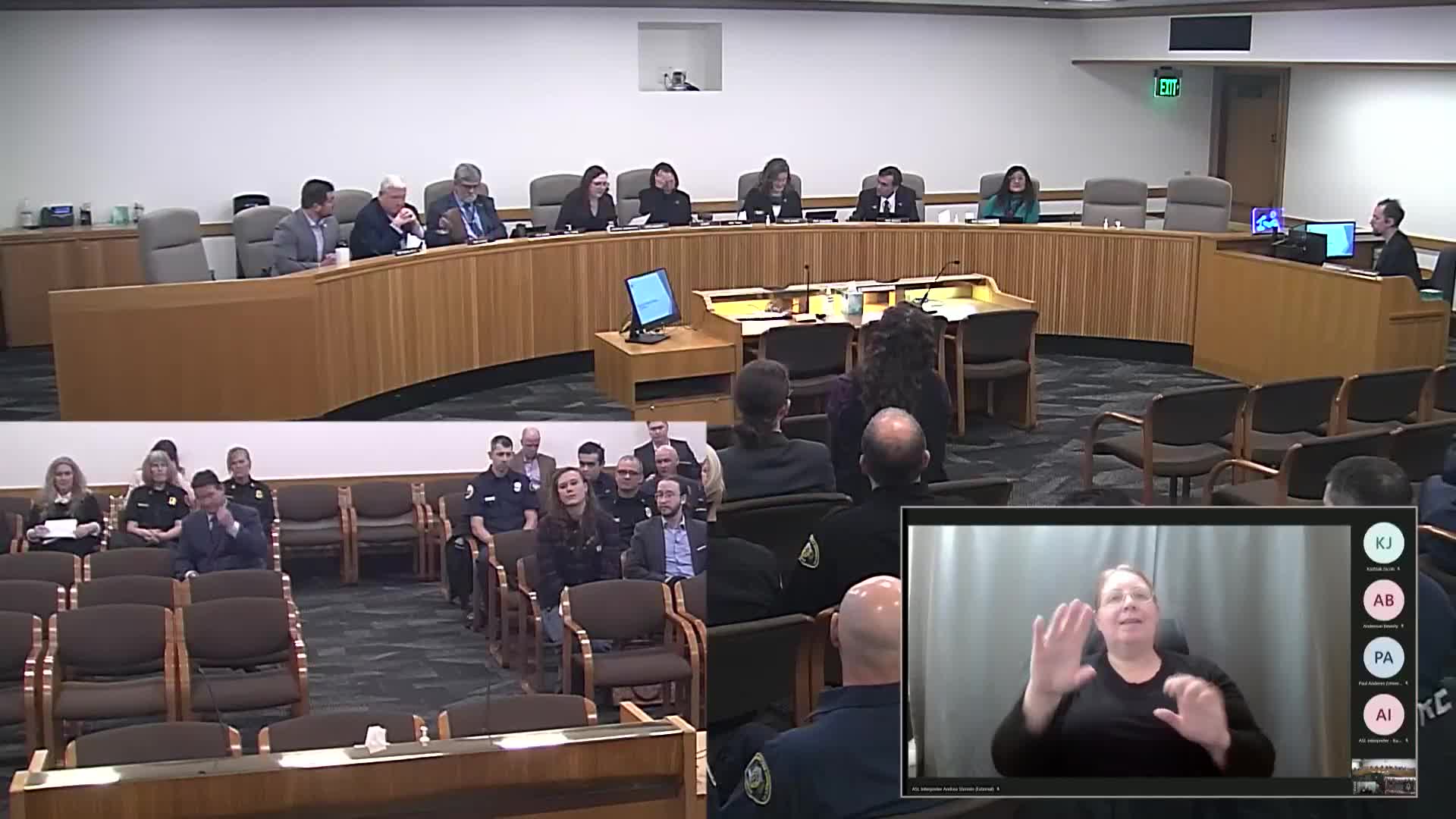
Representative Jamie Kate, sponsor and proponent of House Bill 3150, told the House Committee on Emergency Management, General Government, and Veterans on Feb. 4 that the bill would create a $1,000 income tax credit for volunteer firefighters and related responders to aid recruitment and retention across Oregon.
"This bill is simple," Representative Jamie Kate said. She described volunteers’ time commitments and financial burdens — travel, child care, gas and missed meals — and said the credit would acknowledge those sacrifices. The bill summary presented to the committee states the credit applies to residents and nonresidents who provide volunteer firefighting services and would apply to tax years beginning on or after Jan. 1, 2026 and before Jan. 1, 2032.
Witnesses speaking in favor included Kaylee McGuire, testifying for Senator Janine Solsman, and April Wallace, fire chief of Dallas Fire and Emergency Medical Services. McGuire described volunteer firefighters’ role in rural response and said a $1,000 credit is "a mere drop in the fire bucket" but would help and encourage volunteers. Chief April Wallace said Dallas volunteers averaged about 205 hours per year and that the volunteer contribution saved her community an estimated $3.5 million annually. Wallace said the estimated cost to hire a single full-time entry-level firefighter EMT is about $125,000 per year.
Committee members asked for scope and fiscal details. Witnesses and committee staff cited an estimate of about 8,760 volunteer firefighters in Oregon; committee staff noted the tax credit is nonrefundable, meaning the full dollar amount would not be payable to filers with no tax liability. The fiscal note discussion included a back-of-envelope estimate that if every volunteer claimed the credit the cost would exceed $8 million, though proponents said actual uptake would likely be lower due to tax liability limits and eligibility definitions.
Representative Kate said previous iterations of the bill had not changed materially and that the primary outstanding question involved whether the credit could be claimed in addition to an existing $250 rural EMS volunteer credit; the bill currently allows both but some staff suggested clarifying language might be needed. No committee vote was taken; the public hearing on HB 3150 was closed and members indicated the work session may continue at a later meeting.
Ending
Committee members thanked witnesses and asked staff to provide fiscal estimates and clarifications on eligibility language before further committee action.