Get Full Government Meeting Transcripts, Videos, & Alerts Forever!
Get email alerts on the Consumer Protection Auto Financing topic
No spam. Unsubscribe anytime.
Bill to limit "yo‑yo" auto financing moves to shorten dealer financing window; advocates and dealers spar
Summary
Representative Nathan Sosa introduced House Bill 3,178 to shorten the dealer financing window and require clearer disclosures after consumers sign retail installment contracts for vehicles.
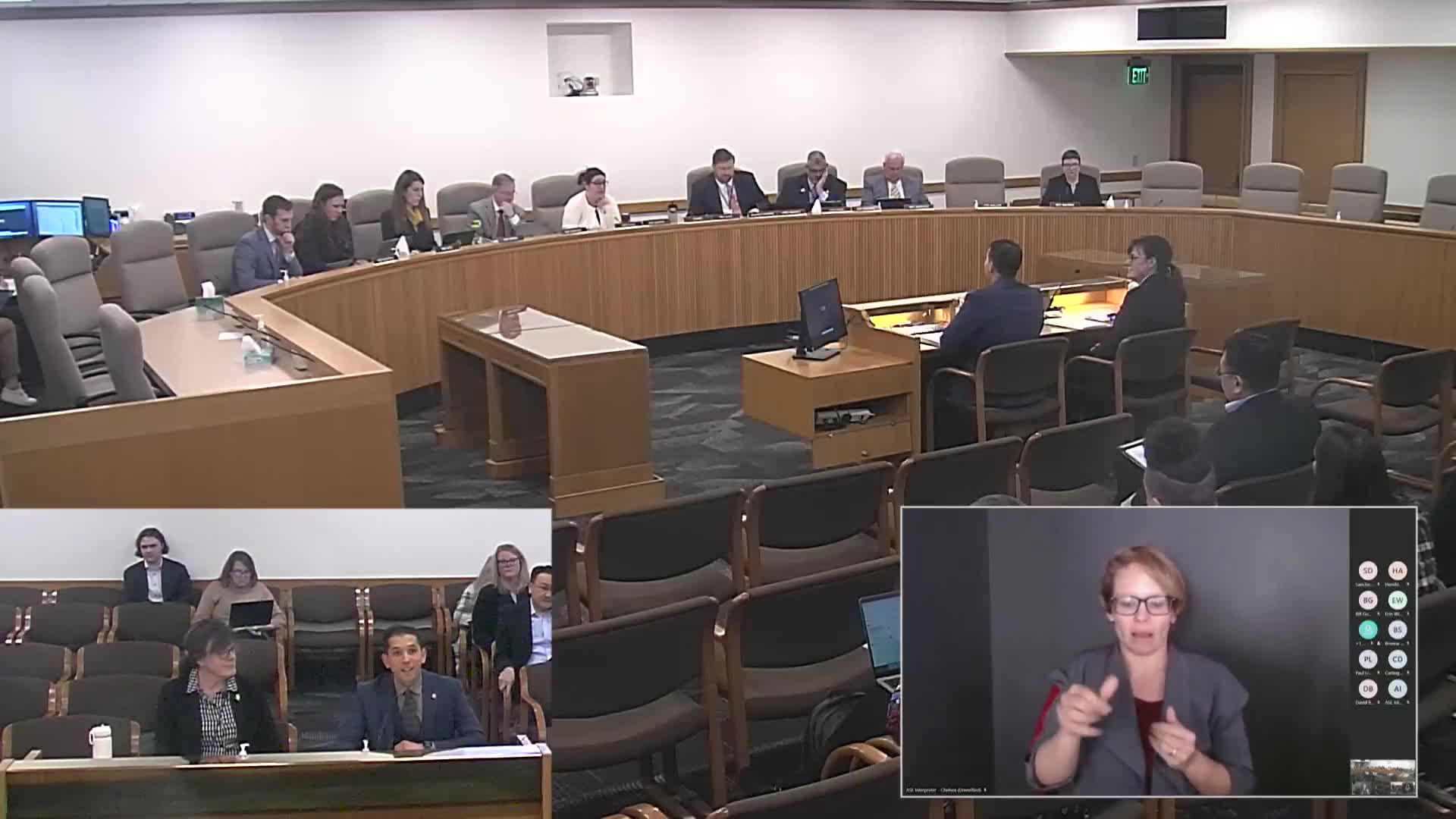
Representative Nathan Sosa introduced House Bill 3,178 to the House Committee on Commerce and Consumer Protection on Feb. 4, saying the bill would curb the practice often called "yo‑yo financing," where a buyer signs purchase paperwork, drives the vehicle home and later is told the lender will not buy the retail installment contract under the promised terms.
"The goal of House Bill 3,178 is to make sure that Oregon consumers are not put in that position again," Representative Sosa said. The introduced bill would shorten the time a dealer has to secure promised financing from 14 days to four days (an amendment under discussion would clarify four business days), require a dealer to honor the originally promised terms or void the contract without financial penalty to the buyer if a lender will not purchase the contract, and require a separate, conspicuous disclosure form outlining key terms to buyers — including a requirement to provide the disclosure in another language if the buyer is not proficient in English.
Consumer advocates told the committee they strongly support the bill. Erin Witty, consumer advocate with the Consumer Federation of America, testified that the current gap can leave buyers "trapped" and that shortening the timeline would reduce traumatic outcomes for consumers. "Buying a car is complex. It is the last thing people expect to get a contract to have the terms unilaterally change," Witty said.
Dorothea Smith, testifying remotely, described her experience as a consumer who signed purchase documents in Oregon while living in Colorado. The dealership arranged transport; months later she learned the financing had not been consummated and the dealer asked her to restart financing. "I was not aware the purchase agreement I signed meant that I would be liable for the total cost of the car if the dealership could not finance," Smith said.
Housing and community advocates including Maureen McGee of the Oregon Financial Services Association (testifying for OFSA) and Karen Sachs of DevNW testified about consumer harms and urged consumer protections. Oregon Consumer Justice and other community groups also supported the shorter timeline and the disclosure requirements.
Auto dealers and dealer trade groups strongly opposed shortening the timeline to four days. Daryl Fuller of the Oregon Vehicle Dealers Association and Greg Remensberger of the Oregon Auto Dealers Association argued that most delays stem from consumers' failure to return requested documentation (income verification, insurance, etc.) and that shortening the timeline would increase costs and could push consumers to private‑party sales. "The 4 day mark is just bad for the consumer and it's bad for the dealer," Remensberger said, adding that dealers perform credit checks before presenting financing and frequently rely on contingent documentation returned by buyers.
Dealers said a shorter window could lead to increased quoted rates or repeated returns to the dealership to re‑sign paperwork, and they cautioned the measure could disadvantage buyers who live far from dealer offices. Consumer and housing advocates countered that the bill also requires a clearer disclosure form to ensure buyers understand that financing is not final and that trade‑ins and down payments must be protected.
Several witnesses urged clarifications: financial institutions' trade groups asked that the four‑day period be defined as business days; trade groups also suggested aligning some timing and cancellation mechanics with Washington state law. Representatives of lenders and service‑contract trade groups provided technical comments for potential amendment.
The committee did not vote on HB 3,178 during the hearing. Several witnesses submitted written testimony and said they were working with the bill sponsor on clarifying amendments, including changing calendar to business days and refining trade‑in protections.
"This bill would require transparency during the process of purchasing a car and helps to ensure that Oregon consumers can trust payments and interest rates agreed upon at the dealership," Karen Sachs told the committee.
No formal amendments were adopted in the Commerce and Consumer Protection hearing; the sponsor and stakeholders signaled intent to continue negotiations and file amendments.