Get Full Government Meeting Transcripts, Videos, & Alerts Forever!
Get email alerts on the Shipbuilding Jones Act topic
No spam. Unsubscribe anytime.
Witnesses urge stronger support for U.S. shipyards, cite Jones Act as foundation
Summary
Industry witnesses at the House subcommittee hearing urged Congress to shore up the U.S. shipbuilding industrial base with programs such as the Small Shipyard Grant Program, Title XI finance and by protecting the Jones Act; they also cited the Ships for America legislative proposal as a comprehensive approach to rebuilding capacity.
Shipbuilders, maritime unions and port officials told the House Coast Guard and Maritime Transportation Subcommittee that revitalizing the U.S. shipbuilding industrial base requires expanded, sustained federal support and protection of domestic preferences.
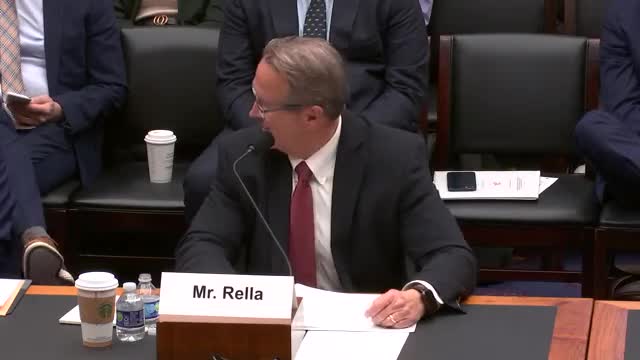
Joe Rella, president of Saint John Shipbuilding, told the committee that the industry needs consistent demand and government signals to justify long‑term investments in facilities and workforce. Rella said there are about "120 active shipyards in the United States" and noted diversity of specialties across yards. He urged Congress to consider comprehensive measures such as the Ships for America Act, which he said would provide a national maritime strategy and large‑scale shipbuilding signals for private industry.
Brian Schoeneman of the Seafarers International Union and other witnesses emphasized the central role of the Jones Act in maintaining a skilled domestic shipbuilding and mariner workforce. Schoeneman said the Jones Act "is a bedrock foundation of American maritime law" and argued that protections for U.S.‑flag and U.S.‑crewed vessels are essential to preserve jobs and shipyard capacity.
Witnesses identified specific federal programs they expect to help: the Small Shipyard Grant Program, Title XI federal ship financing, capital construction fund expansions, maritime security and tanker programs, and grant programs that reduce administrative friction. Rella recommended more flexible match rates for small shipyard grants (he said a 25 percent match would be preferable to a 50 percent match) and suggested contracting practices that include enforceable small‑business set‑aside requirements to ensure broader industrial participation.
Panelists described obstacles: foreign competitors receive heavy subsidization, differing regulatory burdens and higher domestic costs related to safety and environmental compliance. Rella said those rules are applied for legitimate worker and environmental protections but acknowledged they raise costs relative to subsidized foreign yards.
No formal legislative action occurred during the hearing. Members and witnesses agreed that a predictable, long‑term demand signal from Congress — via legislation or consistent program funding — and changes to procurement and financing tools would be necessary to expand U.S. shipbuilding capacity and sustain skilled employment.