Get Full Government Meeting Transcripts, Videos, & Alerts Forever!
Get email alerts on the Education School Health Centers topic
No spam. Unsubscribe anytime.
Committee hears bill to raise minimum grant for school-based health centers to $70,000
Summary
House Bill 31,169 (reported in committee as HB 31 69) would raise the minimum Oregon Health Authority grant for school-based health centers from $60,000 to $70,000 and index it to inflation; supporters said rising costs and workforce competition require an updated base grant to keep centers viable.
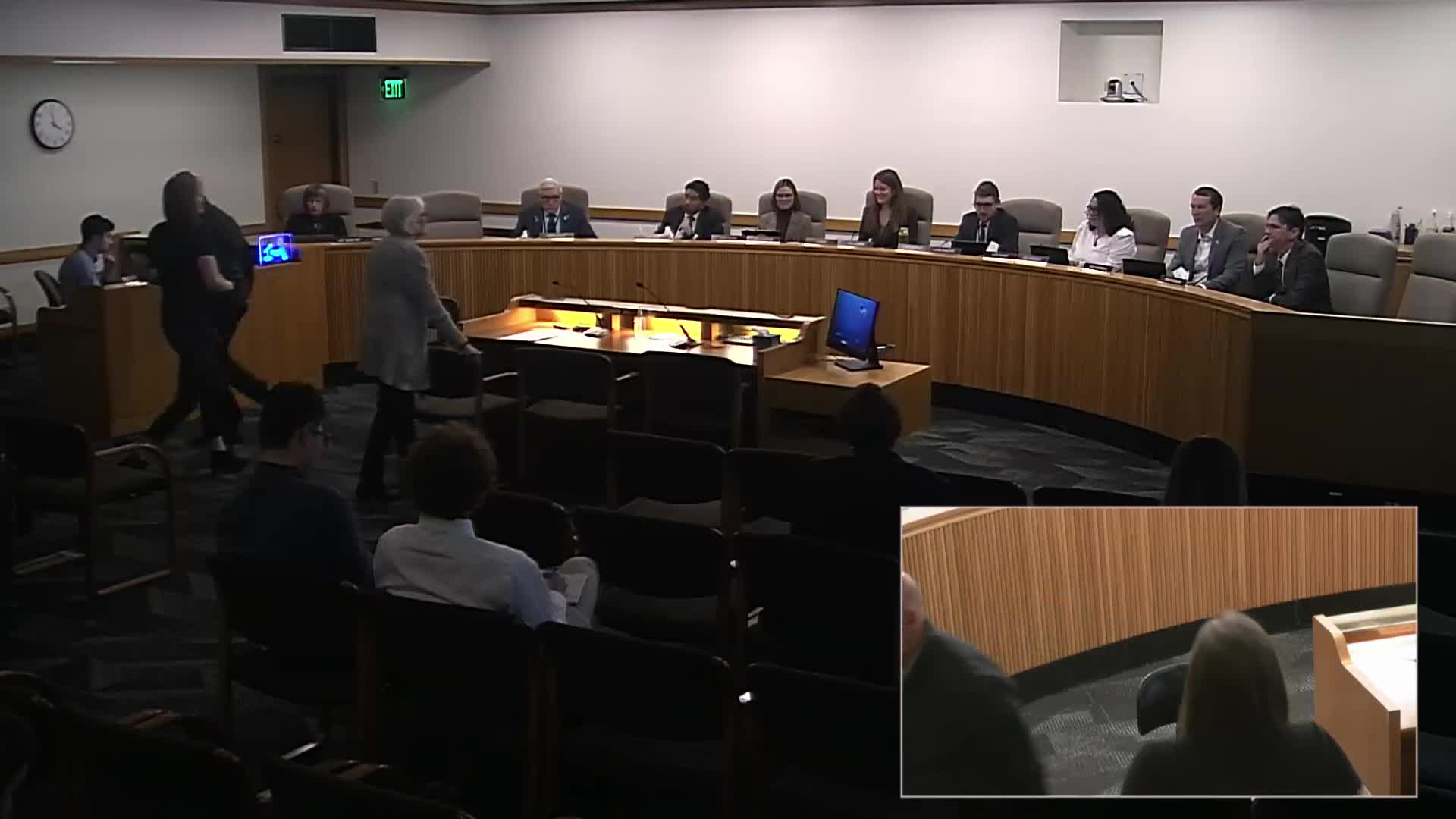
The House Education Committee heard testimony Feb. 3 on a bill to increase the minimum grant amount for school-based health centers (SBHCs) from $60,000 per year to $70,000 and to require annual inflation adjustments.
Representative Pam Marsh, the bill’s sponsor, said the increase is intended to reflect rising costs and to help preserve SBHCs that provide primary, behavioral and basic urgent care in schools. “This would be the first increase since 2013 for these clinics that provide fundamental, important services that keep children in class,” Marsh said, describing how school-based clinics treated students after the 2020 wildfires and served families experiencing displacement.
Speakers from La Clinica, community health centers, and statewide SBHC advocates described how centers operate and why the base grant needs to rise. Angela Parker, an RN with La Clinica, said school-based clinics provide same-day treatment and care coordination without requiring a student to leave school, and that rising local costs make sustaining services challenging. “La Clinica is a company dedicated to serving people who need the care most,” Parker said, urging committee support.
Audrey Richards, a school-based therapist employed by La Clinica, described the mental-health demand among adolescents and said higher funding would help centers recruit and retain licensed clinicians in rural communities where private-sector pay can be higher. Doug Briggs (spoke as Doug Riggs in the sign-up but identified himself in testimony as Doug Briggs), representing La Clinica and Your Alliance for Kids, said the number of SBHCs in Oregon grew from about 31 to 87 over the past decade and that the state’s one-fifth contribution model has become strained as medical and staffing costs have risen.
Marty Carty of the Oregon Primary Care Association and Maureen Hinman of the Oregon School Based Health Alliance reiterated that SBHCs are frequently operated by community health centers, reduce barriers such as transportation and serve both students and community members in rural areas. Proponents said SBHC visits are typically longer and more comprehensive than typical clinic visits and that centers’ integrated services improve attendance and outcomes.
House Bill 31,169 (as described in committee summary) would direct the Oregon Health Authority to award grants of at least $70,000 to SBHCs and adjust the minimum annually for inflation. The measure would appropriate an unspecified amount of general fund for the 2025–27 biennium and declares an emergency with an effective date of July 1, 2025, per the bill summary. The committee held the public hearing and did not vote on the bill at this meeting.