Lifetime Citizen Portal Access — AI Briefings, Alerts & Unlimited Follows
Oregon bill would place missing-and-murdered Indigenous work in Health Authority, tribal witnesses urge action
Loading...
Summary
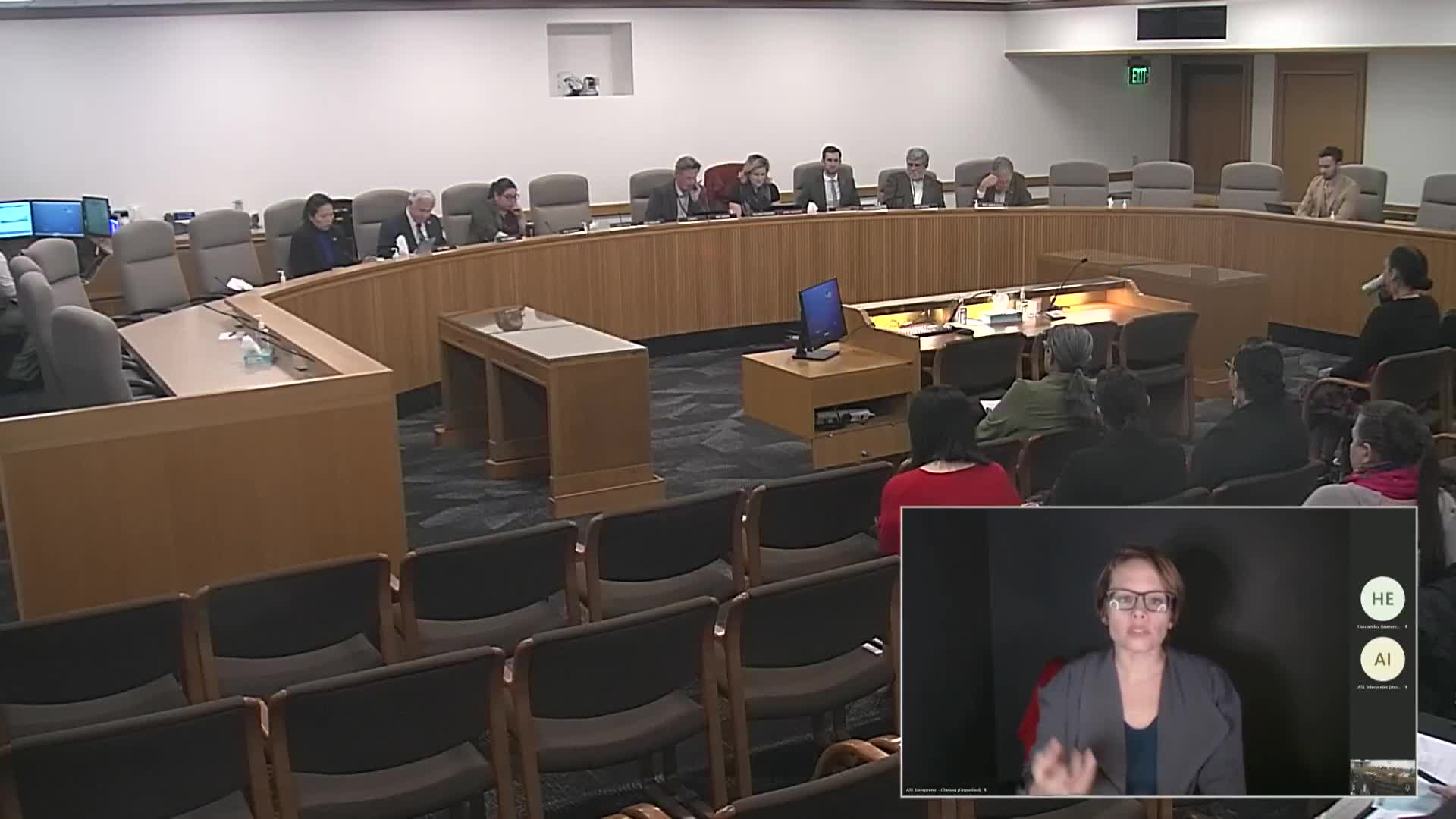
A public hearing on House Bill 3198 drew tribal leaders and advocates who urged the House Judiciary Committee to move responsibility for Missing and Murdered Indigenous People work into the Oregon Health Authority, emphasizing victim services, data improvements and tribal collaboration.
House Bill 3198 would direct the Oregon Health Authority to dedicate staff to address missing and murdered Indigenous people in Oregon, with responsibilities that include victim services and outreach, interagency agreements with tribal governments, data maintenance and community education.
The bill’s sponsor, Rep. Tana Sanchez (D-43), told the House Judiciary Committee that the proposal builds on recommendations from House Bill 2625 (2019) and Oregon State Police work and aims to shift some efforts into a prevention- and service-oriented model at OHA. "Bringing that work into OHA, which already has an existing system...seemed to be the next best step," Sanchez said.
Julie Johnson, tribal affairs director at the Oregon Health Authority and an enrolled member of the Fort McDermott Paiute-Shoshone community, testified in support and called the issue a public-health crisis. "Missing and murdered indigenous people is a public health crisis that needs attention and resources," Johnson said, and described OHA’s planned role in victim services, outreach, education, prevention and collaboration with the nine federally recognized tribes in Oregon.
Sen. Anthony Broadman (Senate District 27) and tribal leaders said the problem extends beyond reservations to urban Indian communities and statewide legal systems. Broadman, a former Warm Springs court judge, told the committee the matter “is an Oregon legal issue, not something that we can categorize as simply something for the United States and tribes to deal with.”
Speakers from the Confederated Tribes of Grand Ronde and community advocates offered testimony about gaps in data and family support. Amanda Freeman, founder of Umqua Advocacy, described cases she has worked on and said HB 3198 would provide resources for families, including victim services and stronger partnerships between tribal governments, native-led organizations and law enforcement. Dr. Lohue White Bear, who previously worked on grassroots MMIP data collection, urged better state-level tracking and warned that federal datasets have undercounted Indigenous people.
Committee members acknowledged the shift in the dash‑1 amendment from a Department of Justice study to direct OHA involvement. Representative Mannix commented that the amendment moves the measure from study to action and praised the victim-services and prevention focus.
The public hearing record closed after the panel’s testimony; the committee did not take a vote on HB 3198 during the February 3 session.
Why it matters: Advocates say better data, victim services and formal tribal collaboration are necessary to identify patterns, connect families to services and inform prevention. The bill would place those responsibilities in a health agency experienced in tribal relations, rather than leave them solely to criminal-justice study.