Get Full Government Meeting Transcripts, Videos, & Alerts Forever!
Get email alerts on the Private Roads Trespass Gps Liability topic
No spam. Unsubscribe anytime.
Committee takes private-road trespass bill off the docket for rewrite after privacy and mapping concerns
Summary
A bill that would make drivers on clearly posted private roads liable for trespass and allow suit against GPS companies was taken "by for the day" for further work after testimony from rural landowners, farm groups and Google representatives.
Senate Bill 1145, a proposal to clarify trespass liability on private roads and to allow property owners to sue GPS and mapping companies that direct drivers onto private roads, was taken off the subcommittee docket for further work after robust questioning and mixed testimony.
Senator French presented the bill, which he said aims to stop delivery drivers and others from cutting across private roads that are marked "No Trespassing" or otherwise clearly designated as private. "The main thing we have is delivery companies that are using our roads to cut from one public road to another public road," French said, adding that private roads on farms and rural properties are being used by drivers who are not invited.
Members and witnesses raised practical questions about the bill—s scope and wording. Committee members asked whether the bill would make a person who follows a precise street address (for example, a package delivery to a mailbox located at that driveway) a trespasser; the sponsor said such invited deliveries would not be treated as trespass under his intent, but the statutory language did not clearly track that assurance.
Supporters included Virginia Farm Bureau; Rachel Henley, the bureau—s witness, asked the committee to work on wording and move the bill forward. Google—s counsel, Guy Rolling of Albers & Company, said Google offers tools for property owners to mark private roads or remove them from mapping and expressed concern about giving property owners a turnkey right to sue tech companies.
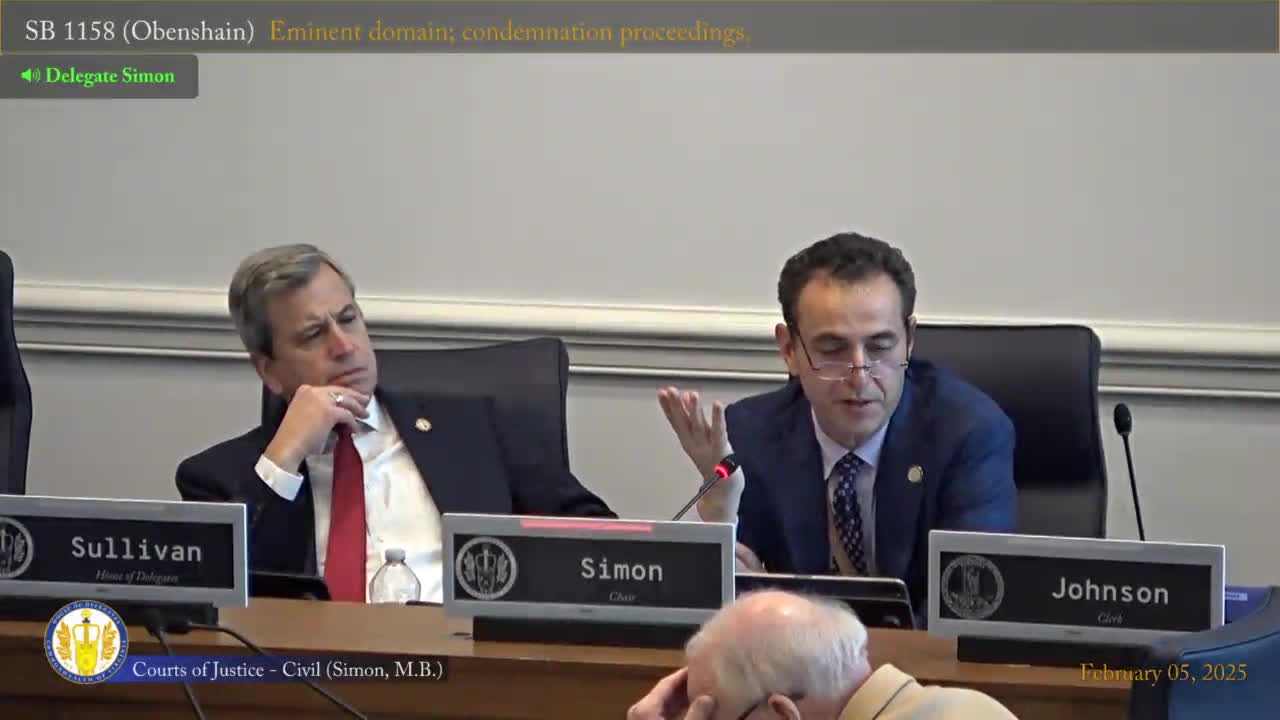
After discussion, Delegate Ballard moved and the motion was seconded to "take the bill by for the day" so sponsors, counsel and stakeholders could draft clearer language. The motion carried on a voice vote; the chair said the bill will be taken off the docket until supporters return with revised language.
The hearing record shows stakeholder sympathy for the policy goal but disagreement about how to write a workable statutory remedy that does not penalize invitees or create unworkable liability for mapping companies.