Get Full Government Meeting Transcripts, Videos, & Alerts Forever!
Get email alerts on the Resident Supports topic
No spam. Unsubscribe anytime.
NDSP peer support, caregiver and crisis teams described as in‑house supports for residents and staff
Summary
Officials and residents outlined peer support specialist training, caregiver roles and a Resident Crisis Support Team (RCST) that monitors residents in observation; NDSP speakers said these resident roles expand capacity, offer pathways to skills, and produce added meritorious good time for participants.
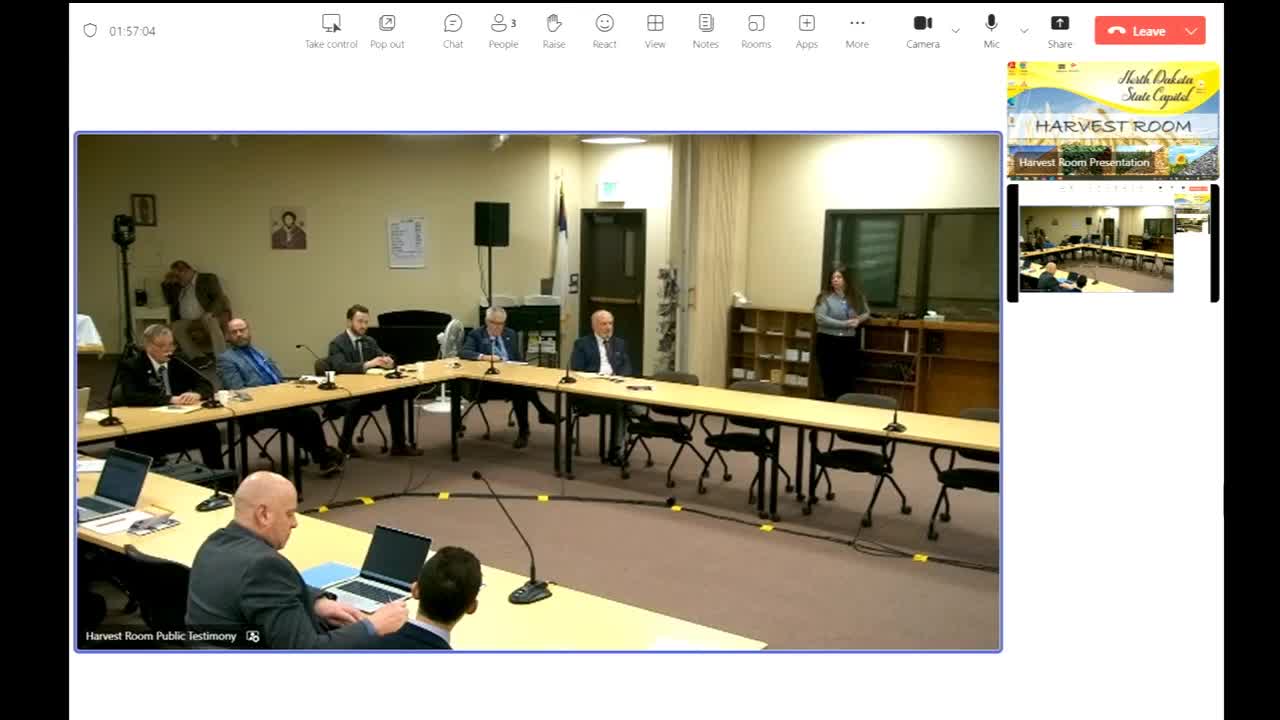
Department and resident witnesses described peer support, caregiving and resident crisis response programs at the North Dakota State Penitentiary during testimony to the Senate Appropriations Human Resources Division.
Lorraine Scott, a human relations counselor, outlined the peer support specialist program, saying it began in June 2019 and that more than 60 specialists have been trained. "We currently have 11 peer support specialists who are providing services to approximately 54 residents in our facility," she said. Training uses the same curriculum as community certifications; peer specialists can pay to be state‑certified after passing the test.
Resident speakers described roles and impacts. Caregiver Warren Cahaba told the committee he provides daily assistance and that caregivers train on long‑term care fundamentals. RCST member Nathan Tibe explained that the resident crisis support team covers up to two 24‑hour shifts weekly, monitoring residents in observation who threatened or attempted self‑harm; in exchange participants earn additional meritorious good time (an extra five days per month beyond the standard meritorious time).
Why it matters: NDSP staff said resident roles expand capacity for mentoring, peer recovery and daily hygiene assistance, and provide skills and structure for residents who fill those positions. Nathan Tibe illustrated the value: RCST members provide frequent coverage for vulnerable residents and the program offsets staff needs that would otherwise require full‑time employees.
Committee exchange: Senators asked how the programs relate to pre‑release planning and whether the peer training mirrors community certification; staff confirmed alignment with state peer‑support certification and said weekly follow‑up training is provided by the DOCR.
Ending: Committee members thanked program staff and resident participants; legislators did not take formal votes during the visit.