Get Full Government Meeting Transcripts, Videos, & Alerts Forever!
Get email alerts on the Staff Wellbeing topic
No spam. Unsubscribe anytime.
Correctional officers describe traumatic events and department post‑incident supports
Summary
Officers and supervisors told legislators about suicides, violent incidents and lasting effects on staff; the department described incident response, hot washes and employee assistance as follow‑up supports.
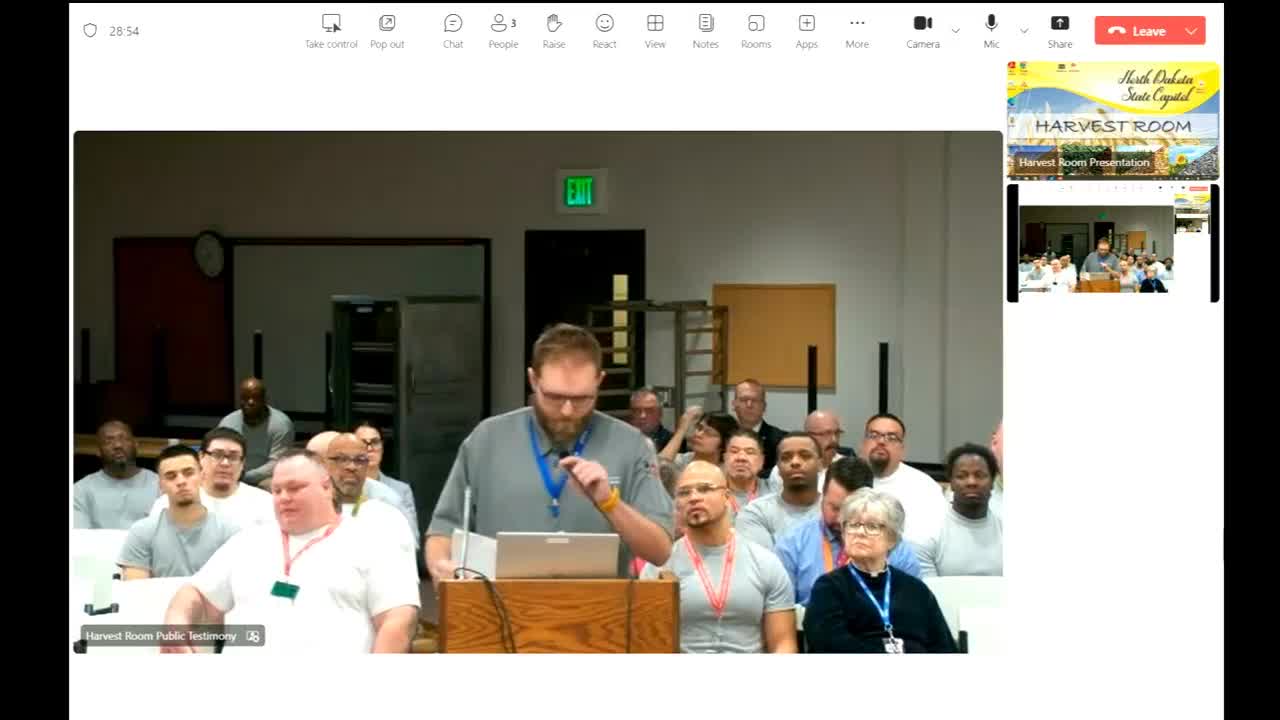
Correctional staff and an officer who responded to multiple suicides described traumatic events and ongoing impacts during a Senate Appropriations Human Resources Division visit to NDSP.
Sergeant Skyler Larson, a correctional officer with six years of experience, recounted responding to a hanging in a behavioral intervention unit and a subsequent attempt that required cutting a rope from a resident's neck. "On camera, it looks fast. It looks like we got in there and we ran, but being there in the moment was slow," Larson said. He described persistent recollections, disrupted sleep and intrusive images after those calls.
Larson and committee members discussed departmental follow‑up. Department staff described an incident command system response, a post‑event "hot wash," and access to an employee assistance program. "During these events, we go under an ICS, which will put the facility on a lockdown," Larson said, then added that professional supports are available after the hot wash and that the employee assistance program has been "well used."
Why it matters: Larson and others framed trauma as an occupational hazard that can affect officers' health, family life and long‑term well‑being. Larson said correctional staff face threats inside and outside the facility, including direct threats and targeted lists.
Broader context: Larson and other speakers linked trauma exposure to reduced lifespan for correctional professionals and to secondary effects at home. He described using rounds at home to check family safety and said many coworkers have experienced worse incidents than those he described. Senators asked about counseling access; Larson said options exist and are offered after critical incidents.
Ending: Senators thanked staff for testimony and recognized trauma and support as an area for departmental attention; no formal decisions were recorded during the visit.