Get AI Briefings, Transcripts & Alerts on Local & National Government Meetings — Forever.
Council approves transfer of RFK Stadium campus to District; members call for housing and parks
Loading...
Summary
The D.C. Council unanimously approved the transfer of administrative jurisdiction of the Robert F. Kennedy Memorial Stadium campus from the National Park Service to the District, a move Councilmembers said opens a rare opportunity for housing, parks, transit improvements and broad public input.
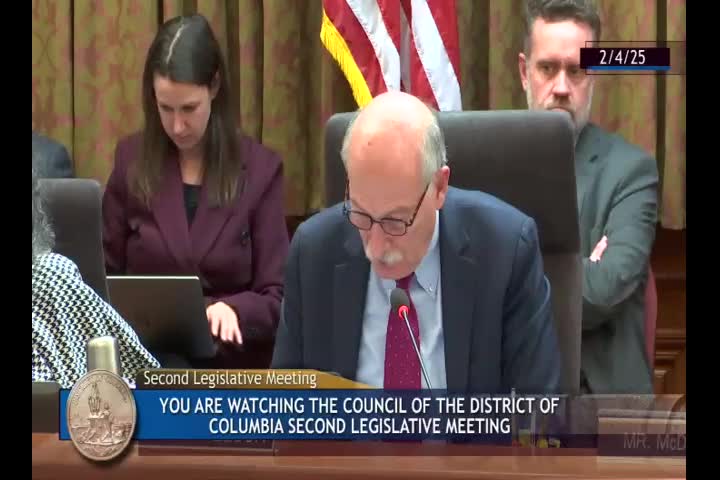
The Council of the District of Columbia unanimously approved an emergency declaration and a follow-up approval resolution to accept the transfer of administrative jurisdiction over the Robert F. Kennedy Memorial Stadium campus from the National Park Service to the District.
Council leaders said federal law passed in December and enacted on January 6 requires the National Park Service to transfer jurisdiction over the roughly 175.6-acre campus (part of Reservation 343F in Ward 7) to the District within 180 days, and that the mayor executed a declaration of covenants on Jan. 14 to effectuate the negotiated transfer. "The transfer that we're going to approve today is exactly what every DC resident deserves, an opportunity to decide the future of this huge swath of land and how we turn it into more city," Councilmember Allen said.
Speakers from across the Council emphasized housing, parks, and equitable development for Ward 7 and nearby neighborhoods. Councilmember Felder said the transfer is "a turning point for Ward 7 and the entire District Of Columbia" and urged community-led planning. Councilmember Parker said the District now controls approximately 174 acres and that housing should be a priority. Councilmember Pinto and others asked for robust neighbor engagement, transit improvements including a new Metro station, protection of the RFK fields, limits on public funding for a stadium unless tied to strong public benefits, and careful use of any proceeds or appraised values to address National Park Service property needs across the city.
Council members repeatedly cautioned that a stadium would consume large areas of land and parking and could limit how much housing or parks the site can accommodate. "We shouldn't pencil in a stadium and all the needed parking lots as our starting point," Allen said. Several members said they are open to a privately financed stadium but will oppose public investment in one unless it produces guaranteed public benefits.
Council approved the emergency declaration and then the underlying approval resolution (PR20-556). The record shows the declaration and the resolution passed unanimously; the Secretary recorded Councilmember Parker as present on the vote. The recorded proceedings note that final development plans, surplus or disposition of the property, and any zoning or land-use approvals would be subject to later executive proposals and council review. The Council did not provide a timeline for next steps during the meeting; one member asked for clarity about timing and was told the timeline had not been clarified by the mayor's office.