Get Full Government Meeting Transcripts, Videos, & Alerts Forever!
Get email alerts on the Public Health Blue Zones topic
No spam. Unsubscribe anytime.
Miami Beach launches Blue Zones evaluation to 'make the healthy choice the easy choice'
Summary
City leaders and Blue Zones representatives opened a multi-day community evaluation Wednesday to explore adopting Blue Zones strategies aimed at improving well‑being, with focus groups scheduled this week and a six‑month "dating" phase before any formal commitments.
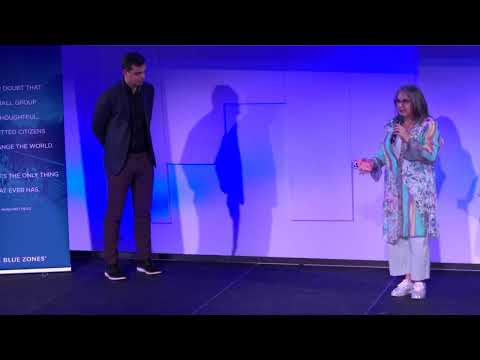
Vice Mayor Tanya Bhatt opened a Blue Zones public event in Miami Beach Wednesday and introduced a multi‑day engagement with Blue Zones representatives to evaluate whether the city should pursue a community well‑being initiative.
The Blue Zones team is conducting focus groups in Miami Beach this week as part of a six‑month “dating” phase, after which the organization would propose a local blueprint and, if the city elects to move forward, a multiyear implementation led locally. "It's to partner and empower Americans to do things for themselves," said Danny Buettner Jr., a Blue Zones representative who led the presentation.
Why it matters: Blue Zones projects aim to change environments and routines — from school and workplace offerings to built‑environment tweaks — so healthier choices become easier for residents. The presenters linked such changes to potential improvements in population health, workforce outcomes and local economic development, and said the program relies on sponsor funding rather than direct taxpayer finance for the transformation phase.
Vice Mayor Tanya Bhatt framed the engagement as part of a broader push to improve Miami Beach's well‑being ranking. She noted that, by a Gallup well‑being measure cited in the presentation, Miami Beach ranked ninth out of a set of large metropolitan areas and argued the city could aim higher. Mayor Minor also welcomed the focus on fitness and well‑being, saying, "Fitness and well‑being is starting to become part of that conversation."
During the presentation, Buettner summarized the Blue Zones model and the “Power 9” lifestyle features the initiative promotes — routine natural movement, plant‑slanted diets, regular social connection and rituals to downshift stress, among others. He cited research and examples from Blue Zones locations worldwide and U.S. pilot cities, and framed the program as a mix of community programs, place‑based changes (schools, restaurants, employers) and voluntary policy adjustments the city could endorse.
Buettner described the current step as an evaluation: local staff and the Blue Zones team will inventory people (potential community participants), places (schools, employers, commercial sites) and policy levers. He said the Blue Zones team would propose hiring local staff and creating a Miami Beach steering committee if the city chooses to proceed beyond the dating phase.
No formal policy or funding decisions were made at the event. Speakers encouraged residents to join focus groups and outreach events this week; Vice Mayor Bhatt provided a city email for follow‑up and said the Blue Zones team would return with recommendations only after completing their review and consultations.
Next steps: focus groups scheduled this week, continued evaluation through a six‑month dating phase, and potential development of a local implementation blueprint and local hires if Miami Beach and sponsors decide to proceed.
(Reporting note: the event was a public presentation and community engagement session; no motions or votes occurred.)