Get Full Government Meeting Transcripts, Videos, & Alerts Forever!
Get email alerts on the Tort Reform topic
No spam. Unsubscribe anytime.
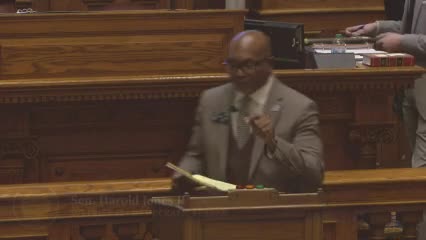
Senators debate tort reform bill SB 69 as critics call it a handout to insurers
Summary
State senators spent floor time debating liability limits proposed in SB 69, with one lawmaker invoking a 19-year-old assault case and others warning the bill does not address insurance practices such as premium setting, claim denials or cancellations.
Senators spent part of Tuesday’s floor session arguing over SB 69, a tort reform measure that would limit certain negligence claims against property owners. Lawmakers who spoke on the floor described the bill as written to bar recovery when injuries occur off an owner-occupier’s premises and said the proposal raises questions about consumer protections and insurance industry behavior.
The issue surfaced in detailed floor remarks. On the bill’s language, one senator recited the statutory text as written in the proposed measure: “no owner occupier should be liable for negligent security arising from an injury sustained by a person not upon the premises of the owner occupier.” That speaker recounted the Martin v. Six Flags case as the factual background motivating the statutory language, saying employees’ gang affiliations and repeated warnings from police were part of the record in that incident.
Why it matters: Supporters of tort limits say the changes clarify liability boundaries for property owners; opponents say SB 69 would remove meaningful remedies for victims and give insurers and large businesses greater protection without requiring changes in how insurers set rates or process claims.
On the floor an opposing senator argued the bill “is a handout to big business and insurance companies. That’s it,” and raised multiple questions about what the text would actually accomplish. “Where in this bill does it address premiums being lowered? Where does it address the unacceptable denial of claims? Where does it require insurance companies to write policies?” the senator asked.
Speakers pressed on consequences for trial rights. One outspoken critic said the bill “makes insurance companies richer by taking away the right to a trial by jury by Georgia citizens,” framing jury access as a core consumer protection at stake.
No formal vote on SB 69 occurred during the session. Senate members on both sides repeatedly returned to two themes: (1) whether limiting premises-based liability would close off recovery for injuries substantially tied to on-premises conditions, and (2) whether the bill forces a shift of costs to injured Georgians while leaving insurance-industry practices — rate-setting, claim denials and cancellations — unchanged.
The floor debate also included a request that lawmakers explain how the bill would tangibly lower premiums or improve insurer conduct; those explanations were not provided on the record during Tuesday’s remarks. The senator who read the Martin v. Six Flags facts urged colleagues to consider the human consequences of restricting suits where defendants’ conduct was argued to be tied closely to on-site conditions.
The matter remains under active discussion; sponsors and critics signaled they expect further committee and floor consideration before any final action.
Ending: The Senate did not vote on SB 69 on Feb. 4; lawmakers on both sides called for additional review and for clearer language addressing insurance practices and consumer protections.