
True Commission questions 29% increase granted to Meridian waste hauler and broader solid-waste funding issues
Get AI-powered insights, summaries, and transcripts
Subscribe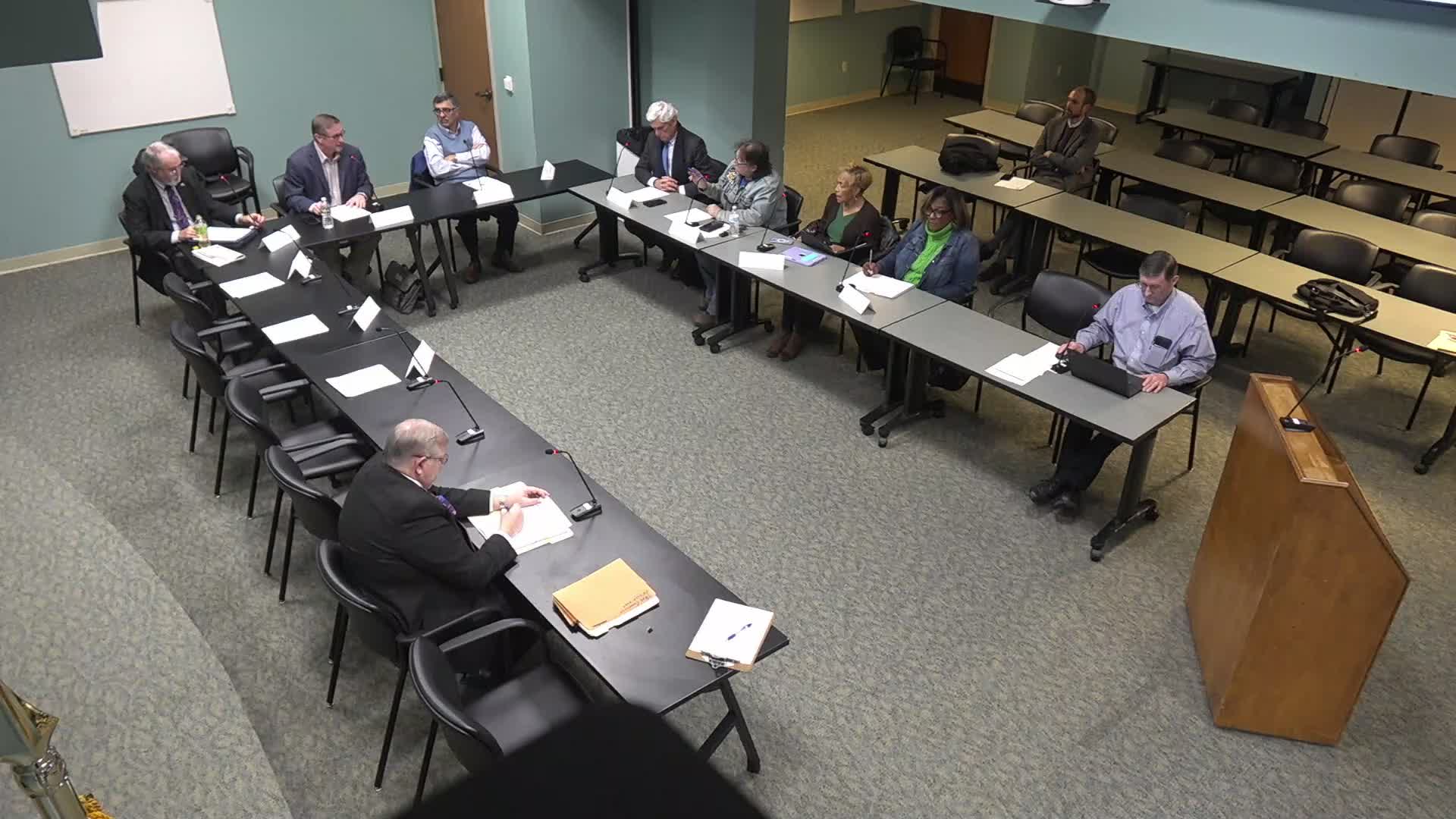
Summary
Commission members raised concerns Jan. 9 about a reported 29% increase granted to Meridian to cover collection costs, discussed long-running funding questions about solid-waste services and asked for more information including IG materials on overtime and compensation.
Commissioners at the Jan. 9 True Commission meeting raised concerns about a reported 29% payment increase granted to Meridian, a private solid-waste hauler, and discussed the city's approach to funding garbage collection.
Delmar Roundsville, Northwest CPAC, asked why Meridian received what he called an “exorbitant” 29% increase when he understood the mayor's office recommended a 5% rise. The commission discussed that increase in the context of a recent private hauler ceasing operations and Meridian stepping in to cover service, incurring extra costs.
Jeff Clements, council research, explained two cost pressures facing private haulers: higher wages needed to recruit and retain workers and increased capital costs for upgraded and alternative-fuel vehicles. Clements described the city's financing choices for solid-waste services, noting that a long-standing arrangement with Beaches and Baldwin limits the use of general-ad-valorem (property tax) funds for these services and that the city has used a system of assessments and interlocal agreements instead. He said the solid-waste fund has been operated as a special revenue account that has required loans from the general fund in past years and that the outstanding cumulative loan balance has been substantial.
Commissioners said the increase will be difficult for some residents to bear and asked whether higher fees would be used to pay down an accumulated deficit in the solid-waste fund. Jeff Clements said the general fund has historically loaned the solid-waste fund amounts needed to balance its budget and that interlocal agreements with the beaches and Baldwin have made direct use of ad-valorem tax revenue politically and legally difficult; he described the practice of annual loans and repayments as the current mechanism for covering shortfalls.
The office of the Inspector General offered to share an investigation it has on the web about overtime charges for city solid-waste employees; the IG said the report could help the commission better understand internal city labor costs. The IG noted some large overtime payments to city employees had been identified in prior work.
Commissioners agreed the matter raises broader policy questions about how the city funds sanitation service, how contracts should respond to extraordinary events (such as a hauler stopping service) and whether the True Commission should develop recommendations on funding and oversight.
Ending: The commission requested that staff (Jeff Clements) circulate relevant materials, including the IG overtime report, and that commissioners review upcoming council legislation and summaries to stay informed about proposed changes to solid-waste funding and assessments.