
True Commission requests formal inquiry into city foreclosure decisions after three East Duval houses were demolished
Get AI-powered insights, summaries, and transcripts
Subscribe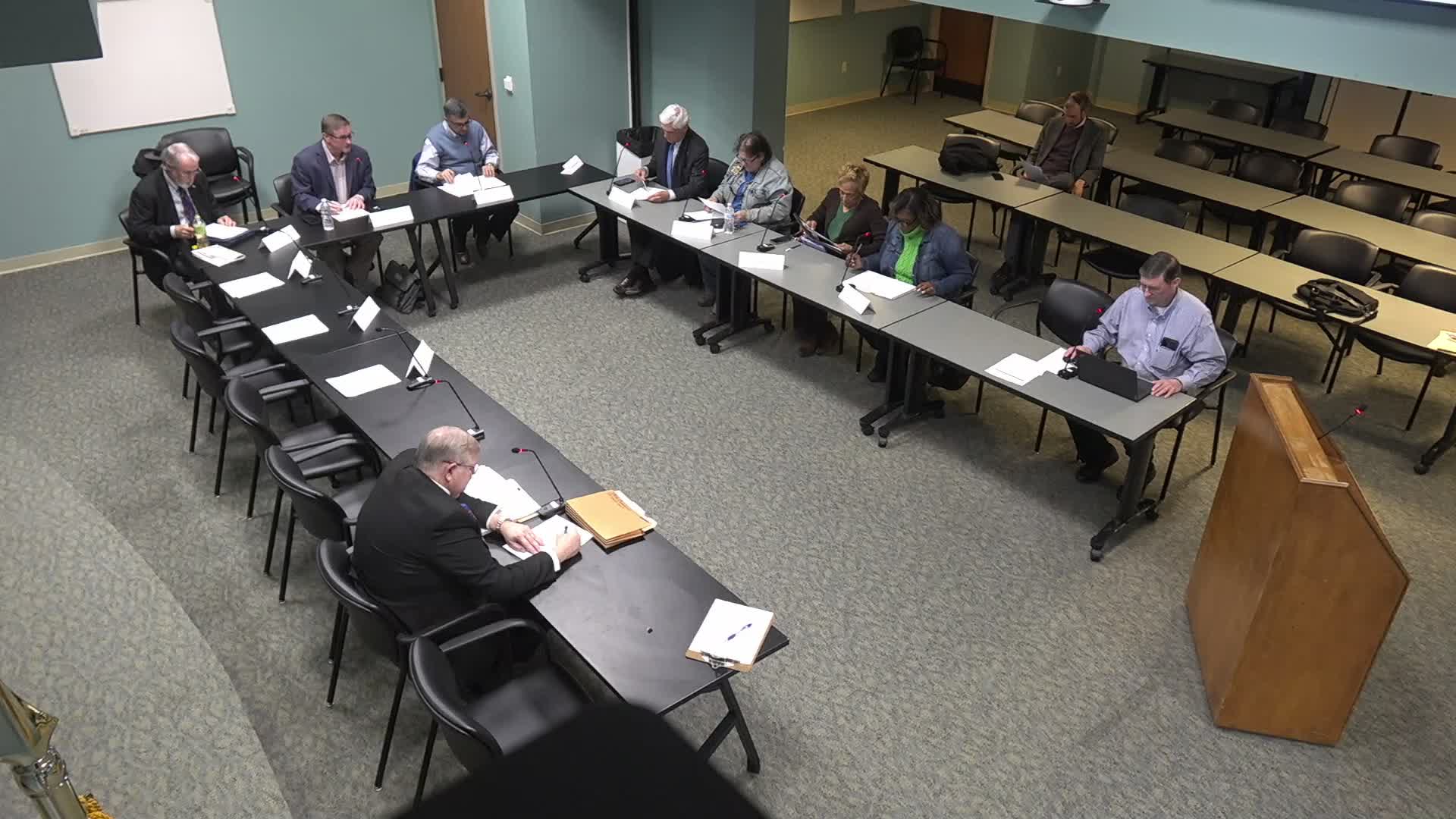
Summary
The True Commission voted Jan. 9 to request a formal response from city officials about the process that led to foreclosure and the subsequent demolition of three properties on East Duval Street.
The True Commission voted Jan. 9 to request a formal response from city officials about the process that led to foreclosure and the subsequent demolition of three properties on East Duval Street.
Commission members moved that the panel request an explanation of the foreclosure timeline, the decision-makers involved and the post-foreclosure disposition of the parcels. Raymond Day, Southeast CPAC, made the motion and Delmar Roundsville, Northwest CPAC, seconded it; the motion carried after members voiced “Aye” with no recorded opposition.
The inquiry followed questions from several commissioners and community-appointed CPAC representatives about how the city chooses which code-enforcement or administrative-liens cases to foreclose on and what steps are taken after the city obtains title. Chris Garrett of the Office of General Counsel (OGC), who attended to explain legal process, said foreclosure of city liens is typically “a remedy of last resort” and that decisions are made on a case-by-case basis. Garrett told the commission that his office considers factors such as the presence of prior mortgage liens — “if there was a mortgage and a second mortgage and then our lien, no one’s going to want to buy that at a foreclosure sale, at least not generally speaking.”
Garrett said the three East Duval properties were foreclosed after “about $700,000 in administrative fines” had accrued and that no third party outbid the city at the foreclosure sale. He said the city ultimately took title and that, because of their location, “they were DIA inventory,” meaning the Downtown Investment Authority handled disposition rather than the city’s standard lands-available process. Garrett said he did not make the post-foreclosure disposition decisions and could not describe DIA’s subsequent actions.
Commissioners said they had attempted to engage city staff and the Historic Preservation Commission about a mothballing application the prior owner had submitted. One commissioner said staff initially recommended approval of the mothballing application and that the Historic Preservation Commission staff report later changed to recommend denial; commissioners said that sequence raised concerns. Garrett said mothballing applications require specific plans and qualifications and that noncompliance by property owners could be a reason for denial, but he declined to speak to the specifics of the East Duval applications.
Commissioners asked the commission staff to summon the code enforcement chief, Thomas Register, and a representative from the Downtown Investment Authority to answer questions at a future meeting. The commission specified it wanted an explanation of procedures, the timeline of actions taken in the East Duval cases, and identification of who made the decisions that led to demolition of what several members called historically significant structures.
The commission framed the request as an oversight inquiry into whether procedures and any applicable laws were followed and to improve transparency about disposition decisions when the city acquires title to properties.
Ending: The commission agreed Jeff Clements (council research) will coordinate scheduling; staff are to invite code enforcement and a DIA representative to the next available meeting to provide the requested explanation.